
Jun 27, 2026 · by BalayHub Admin · 5 min read
Flood-Prone & Flood-Safe Areas in Metro Manila: a Buyer's Guide
Which Metro Manila areas flood and which stay dry: the broad map by district, why it is street by street, how to check any address with hazard maps and neighbors, and what flooding does to property value.
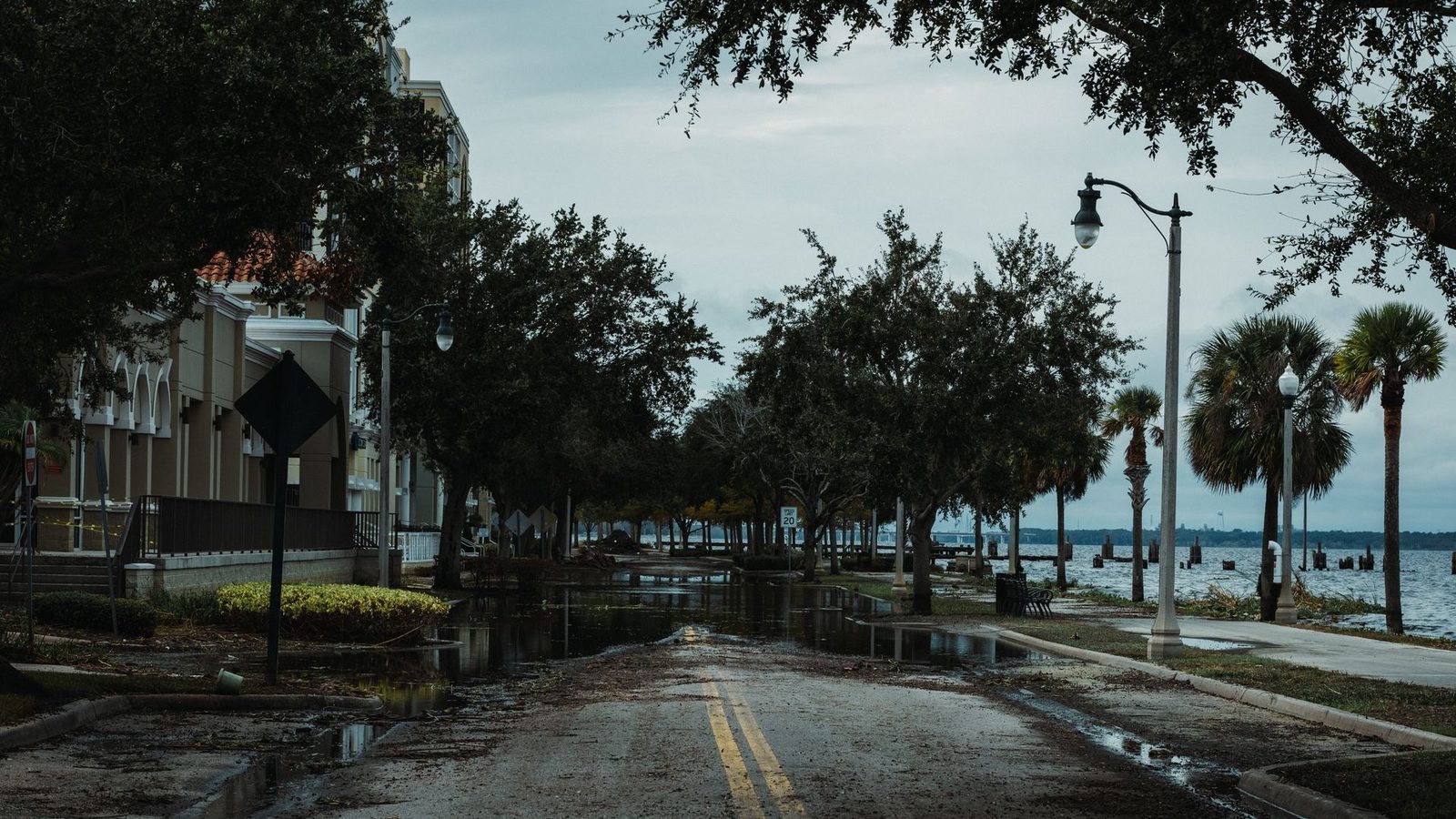
Flood-prone and flood-safe areas in Metro Manila: a buyer's guide (2026)
Ask any longtime Metro Manila resident what to check before buying a home and flooding comes up before price. The metro sits on a floodplain between a large lake and the sea, carries three major river systems, and gets hit by a wet season that seems to grow heavier every year. Two properties a few streets apart can have completely different flood stories, and the difference shows up in resale value, insurance, and how you live from June to November.
This guide maps the broad flood picture area by area, explains why elevation is only half the story, and shows you how to check a specific street before you commit. It describes general patterns, not a verdict on any specific property: always verify the exact address.
Why Metro Manila floods
Three forces stack on top of each other. The metro's rivers, the Pasig, the Marikina and the Tullahan, drain a huge watershed through dense city. Laguna de Bay to the southeast rises slowly after sustained rains and keeps lakeside districts wet for weeks. And in the oldest districts the drainage was built for a much smaller city, so even a strong afternoon downpour can turn intersections into pools. Typhoon season concentrates all three problems into a few brutal weeks.
The broad map: lower risk and higher risk areas
Generally more flood-resilient. The high ground runs along the metro's spine and its eastern and southern edges. Much of Quezon City sits on elevated terrain, especially the areas around the Diliman ridge. Makati's central business district and the Ayala side drain comparatively well. Bonifacio Global City in Taguig was master planned recently with modern drainage and sits on former base land. Parts of Muntinlupa and Las Piñas away from the lake and creeks, and the Antipolo and upper Rizal foothills east of the metro, sit well above flood level, which is part of their appeal to families.
Historically more flood-prone. The Marikina River valley carries the metro's most famous flood history, felt hardest along the riverside barangays of Marikina and the low sections of Cainta and Pasig near the river. The KAMANAVA belt (Caloocan, Malabon, Navotas, Valenzuela) deals with tidal flooding and slow drainage. The old districts of Manila around España, Sampaloc, Quiapo and Taft flood fast in heavy rain. Lakeside and creekside pockets of Taguig, Pasay near the bay reclamation edges, and low sections of Parañaque and Cavite's coastal corridor need street-level checking.
The key nuance: these are patterns, not sentences. Marikina has high, dry neighborhoods; Quezon City has creekside streets that pool. The metro floods street by street, which is why you check the address, not the city.
How to check a specific property
- Look up the official hazard maps. Project NOAH and the local government's own flood hazard maps show modeled flood depth by area for different rain scenarios. Ten minutes on them beats any seller's assurance.
- Ask the neighbors, not the seller. The question that unlocks everything: how high did the water get here during the last two or three strong typhoons, and how fast did it drain?
- Read the building. In flood-aware neighborhoods, houses sit on raised pads, garages step up from the street, and older homes have visible waterline stains. A ground floor built a meter above the road is telling you something.
- Check the street, the creek and the pumping station. Distance to the nearest waterway, the state of the drainage, and whether the barangay floods from rain or from river overflow all change the risk profile.
- For condos, think parking and access. Upper floor units do not get wet, but basement parking, lobbies and the streets around the tower do. Ask the building how the last big storm went.
How to check if an area is flooded right now
During an actual storm, the live picture does not come from listings or news recaps: PAGASA's official warnings and your city or municipal government's pages post road-level flooding in real time, and barangay social media is often fastest of all for a specific street. For the permanent question, whether a property you are eyeing floods at all, work through the official hazard maps and the on-site checks in our full guide to checking if a property floods before you buy.
What flooding does to value
Flood history is one of the quiet forces in Metro Manila pricing. It is part of why elevated districts command a premium per square meter, why the same developer prices similar towers differently across the metro, and why some bargains are cheap for a reason. If a listing looks far below its area's going rate, check the flood story before celebrating; our price per square meter tool tells you what the area norm is, and a big discount from it deserves an explanation.
The same logic applies to the metro's other big natural risk. Our guide to earthquake risk and the West Valley Fault covers the fault-line side of due diligence, and together the two checks take less than an hour for any address.
The bottom line
Do not cross a city off your list because of its reputation, and do not trust a street because of its address. Check the hazard maps, ask the neighbors, read the building, and price the risk like the market does. When you are ready to compare specific homes, browse the current listings for sale and put every candidate through the same two checks: water and fault line first, everything else after. This is general information based on public hazard patterns, not an assessment of any specific property; verify the exact address with official hazard maps and local sources before you transact.
Frequently asked questions
Which areas of Metro Manila are flood-safe?
The higher ground runs along the metro's spine and edges: much of Quezon City's elevated terrain, Makati's central business district, the master planned BGC in Taguig, parts of Muntinlupa and Las Piñas away from the lake, and the Antipolo foothills east of the metro. Even in these areas, individual creekside streets can pool, so always check the exact address.
Which areas of Metro Manila flood the most?
The Marikina River valley carries the most famous flood history, felt along riverside Marikina and low Cainta and Pasig; the KAMANAVA belt of Caloocan, Malabon, Navotas and Valenzuela deals with tidal flooding; and the old Manila districts around España, Sampaloc and Taft flood fast in heavy rain. These are patterns, not verdicts: the metro floods street by street.
How do I check if a specific property floods?
Look up the address on official hazard maps like Project NOAH and the local government's flood maps, then ask the neighbors how high the water got in the last strong typhoons and how fast it drained. Read the building too: raised ground floors and waterline stains tell the real story.
Does flood risk affect property prices?
Yes, quietly but consistently. Elevated, well-drained districts command a premium per square meter, and listings priced far below their area's going rate often have a flood story behind the discount. Check any suspicious bargain against the area norm before celebrating.
Flood-prone at flood-safe na mga lugar sa Metro Manila: gabay para sa mga buyer (2026)
Tanungin mo ang kahit sinong matagal nang residente ng Metro Manila kung ano ang dapat i-check bago bumili ng bahay at lalabas ang baha bago pa ang presyo. Nakaupo ang metro sa isang floodplain sa pagitan ng malaking lawa at ng dagat, may dalang tatlong malalaking river system, at hinahampas ng wet season na parang lumalala bawat taon. Dalawang property na ilang kalye lang ang pagitan ay puwedeng magkaibang-magkaiba ang kuwento sa baha, at lumalabas ang pagkakaibang iyon sa resale value, sa insurance, at sa kung paano ka mamumuhay mula Hunyo hanggang Nobyembre.
Minamapa ng guide na ito ang malawak na larawan ng baha area por area, ipinapaliwanag kung bakit kalahati lang ng kuwento ang elevation, at ipinapakita kung paano i-check ang isang partikular na kalye bago ka mag-commit. Naglalarawan ito ng mga pangkalahatang pattern, hindi hatol sa anumang partikular na property: laging i-verify ang eksaktong address.
Bakit bumabaha sa Metro Manila
Tatlong puwersa ang nagpapatong-patong. Ang mga ilog ng metro, ang Pasig, ang Marikina at ang Tullahan, ay nagpapadaloy ng napakalaking watershed sa gitna ng siksikang lungsod. Ang Laguna de Bay sa timog-silangan ay dahan-dahang tumataas pagkatapos ng tuloy-tuloy na ulan at pinapanatiling basa ang mga distritong tabing-lawa nang ilang linggo. At sa pinakalumang mga distrito, ang drainage ay ginawa para sa mas maliit pang lungsod noon, kaya kahit isang malakas na hapunang buhos ng ulan ay kayang gawing pool ang mga interseksyon. Kino-concentrate ng typhoon season ang tatlong problemang ito sa iilang brutal na linggo.
Ang malawak na mapa: mga lugar na mas mababa at mas mataas ang risk
Sa pangkalahatan mas flood-resilient. Ang mataas na lupa ay tumatakbo sa gulugod ng metro at sa silangan at timog na gilid nito. Malaking bahagi ng Quezon City ang nakaupo sa mataas na terrain, lalo na ang mga lugar sa paligid ng Diliman ridge. Ang central business district ng Makati at ang Ayala side ay medyo maayos ang drainage. Ang Bonifacio Global City sa Taguig ay master planned kamakailan lang na may modernong drainage at nakaupo sa dating base land. Ang mga bahagi ng Muntinlupa at Las Piñas na malayo sa lawa at sa mga creek, at ang Antipolo at ang upper Rizal foothills sa silangan ng metro, ay nasa itaas na itaas ng flood level, na bahagi ng appeal nila sa mga pamilya.
Historically mas flood-prone. Ang Marikina River valley ang may pinakasikat na flood history ng metro, pinakaramdam sa mga barangay na tabing-ilog ng Marikina at sa mababang bahagi ng Cainta at Pasig malapit sa ilog. Ang KAMANAVA belt (Caloocan, Malabon, Navotas, Valenzuela) ay nakikipagbuno sa tidal flooding at mabagal na drainage. Ang mga lumang distrito ng Manila sa paligid ng España, Sampaloc, Quiapo at Taft ay mabilis bumaha sa malakas na ulan. Ang mga pocket ng Taguig na tabing-lawa at tabing-creek, ang Pasay malapit sa mga gilid ng bay reclamation, at ang mababang bahagi ng Parañaque at ng coastal corridor ng Cavite ay kailangan ng street-level na pag-check.
Ang mahalagang nuance: pattern ang mga ito, hindi hatol. May matataas at tuyong neighborhood ang Marikina; may mga kalye sa tabi ng creek ang Quezon City na binabaha. Bumabaha ang metro kalye por kalye, kaya nga ang address ang chine-check mo, hindi ang lungsod.
Paano i-check ang isang partikular na property
- Tingnan ang mga opisyal na hazard map. Ipinapakita ng Project NOAH at ng sariling flood hazard maps ng local government ang na-model na lalim ng baha kada lugar para sa iba't ibang rain scenario. Ang sampung minuto sa mga ito ay mas maaasahan kaysa sa kahit anong assurance ng seller.
- Tanungin ang mga kapitbahay, hindi ang seller. Ang tanong na nagbubukas ng lahat: gaano kataas umabot ang tubig dito noong huling dalawa o tatlong malakas na bagyo, at gaano kabilis ito humupa?
- Basahin ang gusali. Sa mga neighborhood na alerto sa baha, nakapatong ang mga bahay sa nakaangat na pad, ang mga garahe ay umaakyat mula sa kalye, at ang mas lumang mga bahay ay may kitang-kitang waterline stains. Ang ground floor na itinayo nang isang metro sa itaas ng kalsada ay may sinasabi sa iyo.
- I-check ang kalye, ang creek at ang pumping station. Ang layo sa pinakamalapit na daluyan ng tubig, ang kondisyon ng drainage, at kung ang barangay ay binabaha ng ulan o ng umaapaw na ilog, lahat ito nagbabago sa risk profile.
- Para sa mga condo, isipin ang parking at access. Hindi nababasa ang mga unit sa itaas na palapag, pero ang basement parking, mga lobby at ang mga kalye sa paligid ng tower, oo. Tanungin ang building kung ano ang nangyari noong huling malakas na bagyo.
Ano ang ginagawa ng baha sa value
Isa sa mga tahimik na puwersa sa pricing sa Metro Manila ang flood history. Bahagi ito kung bakit may premium kada square meter ang mga elevated na distrito, kung bakit iba-iba ang presyo ng parehong developer sa magkakatulad na tower sa iba't ibang bahagi ng metro, at kung bakit may mga bargain na mura nang may dahilan. Kung ang isang listing ay mukhang malayo sa ibaba ng takbo ng presyo sa lugar nito, i-check muna ang kuwento ng baha bago mag-celebrate; sinasabi sa iyo ng aming price per square meter tool kung ano ang norm sa lugar, at ang malaking discount mula rito ay nangangailangan ng paliwanag.
Ganoon din ang logic sa isa pang malaking natural risk ng metro. Sinasaklaw ng aming guide sa earthquake risk at ang West Valley Fault ang fault-line na bahagi ng due diligence, at kapag pinagsama, wala pang isang oras ang dalawang check para sa kahit anong address.
Ang bottom line
Huwag mong i-cross out ang isang lungsod sa listahan mo dahil lang sa reputasyon nito, at huwag kang magtiwala sa isang kalye dahil lang sa address nito. I-check ang hazard maps, tanungin ang mga kapitbahay, basahin ang gusali, at presyuhan ang risk gaya ng ginagawa ng market. Kapag handa ka nang mag-compare ng mga partikular na bahay, i-browse ang kasalukuyang mga listing na for sale at padaanin ang bawat kandidato sa parehong dalawang check: tubig at fault line muna, saka na ang lahat ng iba. Pangkalahatang impormasyon ito batay sa mga pampublikong hazard pattern, hindi assessment ng anumang partikular na property; i-verify ang eksaktong address gamit ang mga opisyal na hazard map at mga lokal na source bago ka mag-transact.
Mga madalas itanong
Aling mga lugar sa Metro Manila ang flood-safe?
Ang matataas na lugar ay nasa spine at mga gilid ng metro: malaking bahagi ng elevated na terrain ng Quezon City, ang central business district ng Makati, ang master planned na BGC sa Taguig, mga parte ng Muntinlupa at Las Piñas na malayo sa lawa, at ang Antipolo foothills sa silangan ng metro. Pero kahit sa mga lugar na ito, pwedeng bumaha ang mga kalyeng malapit sa creek, kaya laging i-check ang exact address.
Aling mga lugar sa Metro Manila ang pinakabinabaha?
Ang Marikina River valley ang may pinakasikat na flood history, ramdam sa riverside Marikina at sa mababang Cainta at Pasig; ang KAMANAVA belt na Caloocan, Malabon, Navotas at Valenzuela ay may tidal flooding; at ang mga lumang district ng Manila sa paligid ng España, Sampaloc at Taft ay mabilis bumaha pag malakas ang ulan. Patterns ito, hindi hatol: kalye-kalye ang baha sa metro.
Paano ko malalaman kung binabaha ang isang specific na property?
Hanapin mo ang address sa mga official hazard map tulad ng Project NOAH at sa flood maps ng local government, tapos tanungin mo ang mga kapitbahay kung gaano kataas umabot ang tubig noong mga huling malalakas na bagyo at gaano kabilis humupa. Basahin mo rin ang building mismo: ang nakaangat na ground floor at mga waterline stain ang nagsasabi ng totoong kwento.
Nakakaapekto ba ang flood risk sa presyo ng property?
Oo, tahimik pero consistent. Ang mga elevated at well-drained na district ay may premium per square meter, at ang mga listing na sobrang baba ng presyo kumpara sa going rate ng area ay madalas may flood story sa likod ng discount. I-check mo muna ang kahit anong kahina-hinalang bargain laban sa norm ng area bago ka mag-celebrate.
Flood-prone ug flood-safe nga mga lugar sa Metro Manila: giya para sa mga buyer (2026)
Pangutan-a ang bisan kinsang dugay nang residente sa Metro Manila kung unsa ang angay i-check una mopalit og balay ug ang baha ang mogawas una pa sa presyo. Ang metro nahimutang sa usa ka floodplain taliwala sa dakong lanaw ug sa dagat, adunay tulo ka dagkong river system, ug ginabunalan sa wet season nga morag mograbe matag tuig. Duha ka property nga pipila ra ka kalye ang gilay-on mahimong lahi kaayo ang istorya sa baha, ug kanang kalainan makita sa resale value, sa insurance, ug sa kung unsaon nimo pagpuyo gikan sa Hunyo hangtod Nobyembre.
Kini nga guide magmapa sa kinatibuk-ang hulagway sa baha area por area, magpasabot ngano nga katunga ra sa istorya ang elevation, ug magpakita kung unsaon pag-check ang usa ka espesipikong kalye una ka mo-commit. Naghulagway kini og mga kinatibuk-ang pattern, dili hukom sa bisan unsang espesipikong property: kanunay i-verify ang eksaktong address.
Nganong magbaha ang Metro Manila
Tulo ka pwersa ang nagpatong-patong. Ang mga suba sa metro, ang Pasig, ang Marikina ug ang Tullahan, nagpaagos og dako kaayong watershed agi sa siksik nga syudad. Ang Laguna de Bay sa habagatan-sidlakan hinay nga mosaka human sa padayon nga ulan ug magpabiling basa ang mga distrito daplin sa lanaw sulod sa mga semana. Ug sa pinakakaraan nga mga distrito, ang drainage gihimo para sa mas gamay pa nga syudad kaniadto, maong bisan usa ka kusog nga hapon nga ulan makahimo sa mga interseksyon nga mga pool. Ang typhoon season mag-concentrate niining tulo ka problema sulod sa pipila ka brutal nga semana.
Ang kinatibuk-ang mapa: mga lugar nga mas ubos ug mas taas ang risk
Sa kinatibuk-an mas flood-resilient. Ang habog nga yuta midagan sa dugokan sa metro ug sa sidlakan ug habagatang mga daplin niini. Dako nga bahin sa Quezon City nahimutang sa habog nga terrain, ilabi na ang mga lugar palibot sa Diliman ridge. Ang central business district sa Makati ug ang Ayala side medyo maayo ang drainage. Ang Bonifacio Global City sa Taguig bag-o pa lang gi-master plan nga adunay modernong drainage ug nahimutang sa kanhing base land. Ang mga bahin sa Muntinlupa ug Las Piñas nga layo sa lanaw ug sa mga creek, ug ang Antipolo ug ang upper Rizal foothills sa sidlakan sa metro, nahimutang layo ibabaw sa flood level, nga kabahin sa ilang appeal sa mga pamilya.
Historically mas flood-prone. Ang Marikina River valley maoy nagdala sa pinakailado nga flood history sa metro, labing gibati sa mga barangay daplin sa suba sa Marikina ug sa ubos nga mga bahin sa Cainta ug Pasig duol sa suba. Ang KAMANAVA belt (Caloocan, Malabon, Navotas, Valenzuela) nag-atubang og tidal flooding ug hinay nga drainage. Ang mga karaang distrito sa Manila palibot sa España, Sampaloc, Quiapo ug Taft dali rang magbaha sa kusog nga ulan. Ang mga pocket sa Taguig daplin sa lanaw ug sa mga creek, ang Pasay duol sa mga daplin sa bay reclamation, ug ang ubos nga mga bahin sa Parañaque ug sa coastal corridor sa Cavite nanginahanglan og street-level nga pag-check.
Ang importanteng nuance: mga pattern kini, dili mga hukom. Ang Marikina adunay habog ug uga nga mga neighborhood; ang Quezon City adunay mga kalye daplin sa creek nga magtubig. Ang metro magbaha kalye por kalye, maong ang address ang imong i-check, dili ang syudad.
Unsaon pag-check ang usa ka espesipikong property
- Tan-awa ang opisyal nga mga hazard map. Ang Project NOAH ug ang kaugalingong flood hazard maps sa local government magpakita sa gi-model nga giladmon sa baha matag lugar para sa lainlaing rain scenario. Ang napulo ka minuto niini mas kasaligan pa kaysa bisan unsang pasalig sa seller.
- Pangutan-a ang mga silingan, dili ang seller. Ang pangutana nga moabli sa tanan: unsa ka taas ang naabot sa tubig dinhi sa miaging duha o tulo ka kusog nga bagyo, ug unsa ka paspas kini mihubas?
- Basaha ang building. Sa mga neighborhood nga alerto sa baha, ang mga balay nagpatong sa gipataas nga pad, ang mga garahe mosaka gikan sa kalye, ug ang mas karaang mga balay adunay makitang waterline stains. Ang ground floor nga gitukod og usa ka metro ibabaw sa karsada adunay ginasulti kanimo.
- I-check ang kalye, ang creek ug ang pumping station. Ang gilay-on sa pinakaduol nga agianan sa tubig, ang kahimtang sa drainage, ug kung ang barangay magbaha tungod sa ulan o sa pag-awas sa suba, kining tanan mag-usab sa risk profile.
- Para sa mga condo, hunahunaa ang parking ug access. Ang mga unit sa taas nga andana dili mabasa, pero ang basement parking, ang mga lobby ug ang mga kalye palibot sa tower mabasa. Pangutan-a ang building kung unsa ang nahitabo sa miaging dakong bagyo.
Unsa ang epekto sa baha sa value
Ang flood history usa sa mga hilom nga pwersa sa pricing sa Metro Manila. Kabahin kini kung nganong ang mga elevated nga distrito adunay premium matag square meter, nganong ang samang developer lahi og presyo sa susamang mga tower sa lainlaing bahin sa metro, ug nganong ang ubang bargain barato nga adunay rason. Kung ang usa ka listing morag layo sa ubos sa naandang presyo sa iyang lugar, i-check una ang istorya sa baha una ka magsaulog; ang among price per square meter tool magsulti nimo kung unsa ang norm sa lugar, ug ang dakong discount gikan niini nanginahanglan og pasabot.
Mao ra gihapon ang logic sa laing dakong natural risk sa metro. Ang among giya sa earthquake risk ug ang West Valley Fault naglangkob sa fault-line nga bahin sa due diligence, ug kung usahon, dili moabot og usa ka oras ang duha ka check para sa bisan unsang address.
Ang bottom line
Ayaw tangtanga ang usa ka syudad sa imong listahan tungod lang sa reputasyon niini, ug ayaw pagsalig sa usa ka kalye tungod lang sa address niini. I-check ang hazard maps, pangutan-a ang mga silingan, basaha ang building, ug presyohi ang risk sama sa ginabuhat sa market. Kung andam ka nang mag-compare og espesipikong mga balay, i-browse ang kasamtangang mga listing nga for sale ug ipaagi ang matag kandidato sa samang duha ka check: tubig ug fault line una, ang tanan human niana. Kini kinatibuk-ang impormasyon base sa publikong mga hazard pattern, dili assessment sa bisan unsang espesipikong property; i-verify ang eksaktong address gamit ang opisyal nga mga hazard map ug mga lokal nga source una ka mo-transact.
Mga kasagarang pangutana
Unsa nga mga lugar sa Metro Manila ang flood-safe?
Ang mga taas nga lugar anaa sa spine ug mga daplin sa metro: dakong bahin sa elevated nga terrain sa Quezon City, ang central business district sa Makati, ang master planned nga BGC sa Taguig, mga bahin sa Muntinlupa ug Las Piñas nga layo sa lanaw, ug ang Antipolo foothills sa sidlakan sa metro. Apan bisan sa maong mga lugar, pwede gihapon magpundo ang tubig sa mga kalye nga duol sa creek, maong kanunay i-check ang exact address.
Unsa nga mga lugar sa Metro Manila ang pinakabahaon?
Ang Marikina River valley ang naay pinakailado nga flood history, mabati sa riverside Marikina ug sa ubos nga Cainta ug Pasig; ang KAMANAVA belt nga Caloocan, Malabon, Navotas ug Valenzuela nag-atubang og tidal flooding; ug ang mga karaan nga district sa Manila palibot sa España, Sampaloc ug Taft paspas mabaha pag kusog ang ulan. Patterns kini, dili hukom: kalye por kalye ang baha sa metro.
Unsaon nako pagsusi kung bahaon ang usa ka specific nga property?
Pangitaa ang address sa mga official hazard map sama sa Project NOAH ug sa flood maps sa local government, dayon pangutan-a ang mga silingan kung unsa ka taas miabot ang tubig sa mga miaging kusog nga bagyo ug unsa ka paspas mihubas. Basaha sab ang building mismo: ang gipataas nga ground floor ug mga waterline stain ang nagsulti sa tinuod nga istorya.
Makaapekto ba ang flood risk sa presyo sa property?
Oo, hilom apan consistent. Ang mga elevated ug well-drained nga district naay premium per square meter, ug ang mga listing nga ubos kaayo ang presyo kumpara sa going rate sa area kasagaran naay flood story luyo sa discount. I-check una ang bisan unsang kaduda-duda nga bargain batok sa norm sa area una ka magsadya.
Browse properties on BalayHub
See all listings →

Read next
Lost Land Title in the Philippines: How to Replace It
A lost land title is replaced by court petition under Section 109 of PD 1529: steps, documents, 6 to 12 months and ₱50,000 to ₱200,000 in estimated costs.
Real Estate Broker Commission & PRC License Check (2026)
Real estate broker commission in the Philippines: 3% to 5% by custom, who pays, when it is earned, and how to verify a PRC license before you sign.
Condo Investment for Foreigners in the Philippines: the Math
Condo investment for foreigners in the Philippines: gross yields from 4.3% in Pasig to 11.9% in Davao, the 25% tax on non resident rent, and the 40% cap.