
Sep 17, 2026 · by BalayHub Admin · 7 min read
Foreigner Married to a Filipino: Property Rights Explained
A foreigner married to a Filipino gets a 13(a) visa, not land: what two Supreme Court cases say about money, houses, inheritance and the 25 year lease.
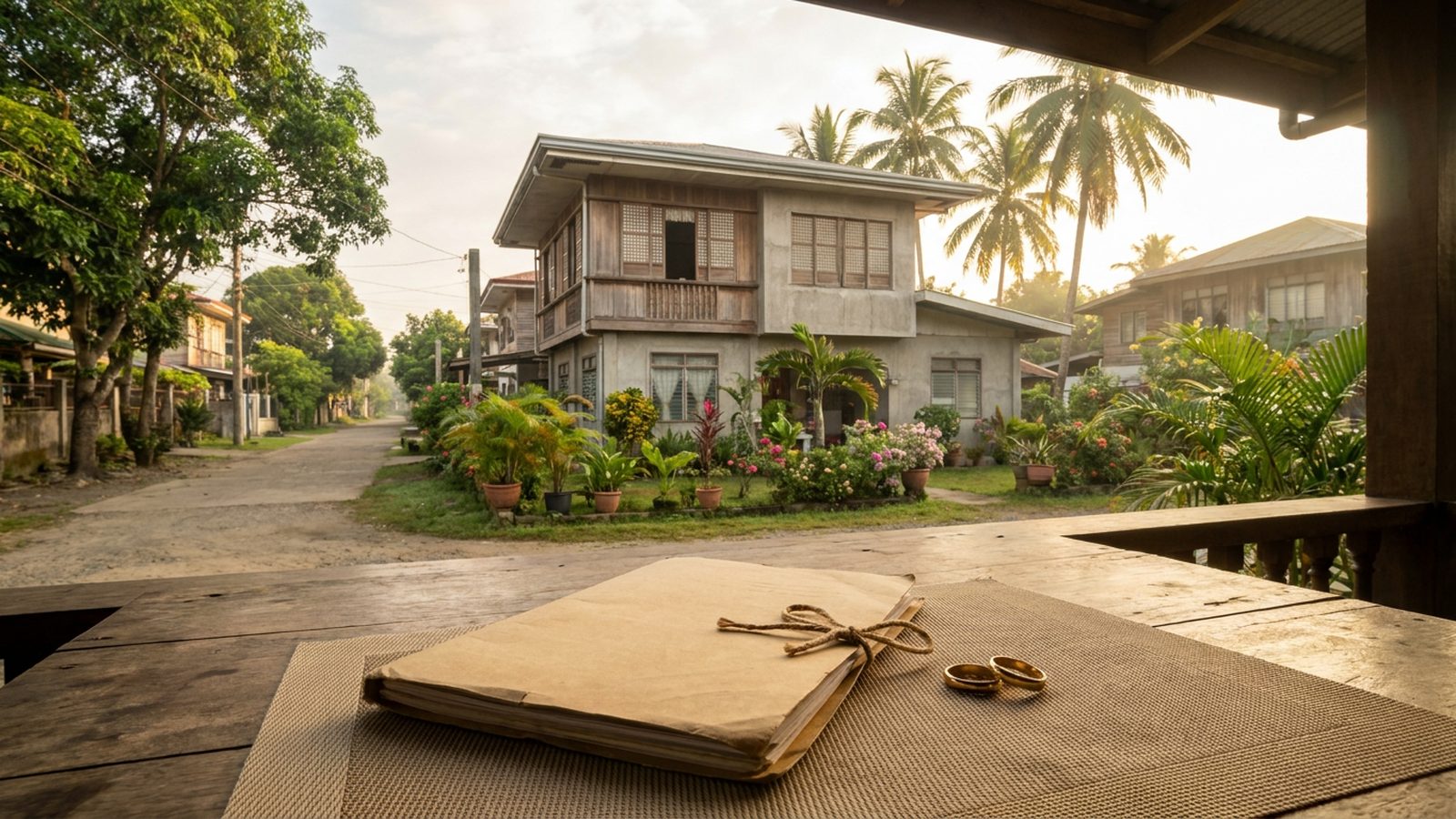
A question comes up in every expat forum sooner or later, usually from someone about to marry a long term partner: what does the wedding change, legally, about owning a home here. The short version surprises people. A foreigner married to a Filipino gains a path to permanent residence, and gains nothing at all when it comes to land. The title to the family lot goes in the Filipino spouse's name, the Supreme Court has refused to give foreign husbands their money back when marriages ended, and the one real exception, inheritance, is narrower than most couples assume. None of this is a reason not to buy a home together. It is a reason to know where the lines are before money moves.
What the marriage does give you: residence, not citizenship
The Bureau of Immigration issues the 13(a) non-quota immigrant visa to "a foreign national on the basis of his valid marriage to a Philippine citizen" on its 13(a) visa page. The first grant is probationary, the conversion to permanent status comes after that, and the Bureau lists the fee for the principal applicant at ₱8,620 (about $137 / €119). With it you can live and work here without renewing a tourist stamp every two months, the routine described in our guide to Philippine visas and renewals.
Two limits are worth stating plainly. The visa rests on the marriage, so its legal basis goes if the marriage does. And it is residence, not citizenship: naturalization is a separate process with its own years of residence and its own requirements, and nothing about the wedding shortens the rule that matters for property, which is that only Filipino citizens own land.
The land goes in your spouse's name, and it is legally theirs
The rule sits in the Constitution, not in an ordinary law. Article XII, Section 7 says that, save in cases of hereditary succession, no private lands shall be transferred or conveyed except to individuals qualified to acquire or hold lands, and a foreigner is not one of them. Marriage does not create an exception. The full map of what a foreigner can and cannot hold is in our answer to can foreigners buy property in the Philippines; what follows is what that rule does inside a marriage.
The clearest case is Matthews v. Taylor, decided in 2009. A British husband said he had paid for a Boracay lot bought during the marriage and titled to his Filipino wife. She later leased it to a third party for 25 years without asking him. He sued to cancel the lease, arguing that as her husband his consent was required. The Supreme Court upheld the lease. Because he was an alien, the Court said, no implied trust arose in his favor, no reimbursement could be allowed, and the lot could not even be declared part of the couple's conjugal property. His wife could deal with the land alone.
If you fund a lot and it is titled to your spouse, the law treats the land as theirs, entirely. They can sell it, lease it or mortgage it, and your signature is not what makes the deal valid. For most couples that is never tested. It is still the legal position.
If the marriage ends, the land money is gone and the house is not
Beumer v. Amores, decided in 2012, shows what happens at the end of a marriage. A Dutch husband and his Filipino wife had their marriage annulled. He asked to be reimbursed for four lots he said he had bought with his Dutch disability benefits and registered in her name because he knew he could not own them. The Supreme Court refused. He had knowingly gone around the Constitution, the Court said, and one cannot salvage any rights from an unconstitutional transaction knowingly entered into. The rule against unjust enrichment did not help him either, because it does not apply when the claim itself is barred by the Constitution.
The same decision contains the part that protects you. The two houses built on those lots were declared co-owned by both spouses, because the ban covers land, not buildings. That is the practical line: money put into the lot is, in law, a gift to your spouse; money put into the house is property you can prove and recover a share of. Keep the construction contract, the receipts and the bank transfers, and have the improvement declared for tax purposes, a document we explain in tax declaration versus land title.
If your spouse dies, you can inherit, within limits
Hereditary succession is the one exception written into the constitutional ban, and a surviving foreign spouse is a legal heir. If your Filipino spouse dies, you inherit your share of the land by operation of law, together with the children and any other compulsory heirs, and you can stay a registered co-owner. The settlement steps and the estate tax are the same as for any family, and we set them out in inheriting property in the Philippines.
The limit comes from an older case, Ramirez v. Vda. de Ramirez, decided in 1982. The Supreme Court held that the exception "does not extend to testamentary succession for otherwise the prohibition will be for naught and meaningless". In plain terms, your spouse cannot use a will to leave you more land than the law's default shares already give you. The same ruling offers a useful tool, though. It upheld a usufruct granted to a foreigner, because a usufruct, the right to use and enjoy a property for life, does not vest title. A Filipino spouse who wants the foreign partner to keep the home for life, with ownership passing to the children, can say so in a will.
When the time comes to sell inherited land, you can only sell to a buyer who is qualified to own it, and the taxes stack in the way described in our guide to selling inherited property.
What you can hold in your own name
Three things. The first is a condominium unit, as long as foreign ownership in the project stays within the 40% cap, which is why most foreign spouses who want an asset in their own name buy a condo and leave the house and lot to the Filipino side of the family. You can see what that costs by city on our condo listings page. The second is the house or other improvements on your spouse's land, as Beumer confirms. The third is a lease. Presidential Decree 471 lets a foreigner lease private land for 25 years, renewable for another 25 by mutual agreement. A registered lease on a lot owned by a third party gives you a documented right to the land under your house for up to half a century. The 50 year leases sometimes quoted online come from the Investors' Lease Act, which is for registered foreign investors and their projects, not for family homes.
What you should never do is put land in the name of a friend, an employee or a relative of your spouse as a stand in for you. That is what the Anti-Dummy Law punishes, and the courts give such arrangements the same treatment Beumer received.
A sensible setup for a mixed couple
The couples who never have a problem tend to do the same few things. The lot is titled to the Filipino spouse after verifying the title like any other buyer would. The house is documented as jointly paid. The foreign spouse holds a condo or other assets in their own name, so that the family's wealth is not concentrated in the one asset class they cannot own. Both spouses have wills, hers or his using the usufruct if the aim is to keep the surviving foreigner in the home. And the budget is set with the law in mind: what goes into land is given, what goes into a building or a condo is owned. If you are planning the purchase from overseas, our buying from abroad page shows prices in your own currency.
This article is general information, not legal advice. Court rulings turn on their facts, and immigration and tax rules change, so consult a Philippine lawyer before you buy, marry into a property arrangement or write a will.
Dollar and euro figures are approximate conversions at ₱62.7 per US dollar and ₱72.4 per euro (ECB reference rates, 2026-09-16).
Frequently asked questions
Can a foreigner married to a Filipino own land in the Philippines?
No. The Constitution allows private land to be transferred only to people qualified to own it, and a foreign spouse is not. The lot is titled to the Filipino spouse and the Supreme Court, in Matthews v. Taylor, treated such land as the Filipino spouse's alone, even when the foreign husband said he paid for it. The foreign spouse can own the house on it, a condo unit, or a registered lease.
What happens to the property if the marriage is annulled?
The land stays with the Filipino spouse and the foreigner cannot claim the purchase money back. In Beumer v. Amores the Supreme Court refused reimbursement to a Dutch husband for four lots titled to his wife, because he had knowingly gone around the constitutional ban. The houses on the lots, however, were declared co-owned, since buildings are not covered by the ban. Keep proof of what you paid for construction.
Can I inherit the land if my Filipino spouse dies?
Yes, as a legal heir. Hereditary succession is the one exception in the Constitution, so a surviving foreign spouse inherits a share by operation of law, alongside the children and other compulsory heirs. The Supreme Court has said the exception does not extend to land left by will beyond that. A will can still grant you a usufruct, the lifetime right to use the home, because it does not transfer title.
Does marrying a Filipino give me permanent residence or citizenship?
It gives you a basis for residence. The Bureau of Immigration issues the 13(a) non-quota immigrant visa to a foreign national validly married to a Philippine citizen, first on a probationary basis and then as permanent status, with a listed fee of ₱8,620 (about $137 / €119) for the principal applicant. It depends on the marriage continuing. Citizenship is a separate naturalization process and is not granted by marriage.
What is the safest way for a mixed couple to buy a home?
Title the lot to the Filipino spouse after a normal title check, document the house as jointly paid and keep the receipts, put a condo or other assets in the foreign spouse's name so the family's wealth is not all in land, and have both spouses sign wills. A 25 year lease, renewable for another 25 under Presidential Decree 471, is the lawful way for a foreigner to hold land use in their own name.
May isang tanong na laging lumalabas sa mga expat forum, kadalasan mula sa taong ikakasal sa kanyang long term partner: ano ba ang binabago ng kasal, sa mata ng batas, pagdating sa pag-aari ng bahay dito. Ang maikling sagot ay ikinagugulat ng marami. Ang foreigner na kasal sa Pilipino ay nakakakuha ng daan tungo sa permanent residence, pero walang nakukuha pagdating sa lupa. Ang title ng lot ng pamilya ay ipinapangalan sa asawang Pilipino, tumanggi ang Supreme Court na ibalik ang pera ng mga foreign na mister nang mauwi sa hiwalayan ang kasal, at ang tanging totoong exception, ang mana, ay mas makitid kaysa inaakala ng karamihan ng mag-asawa. Hindi ito dahilan para huwag bumili ng bahay nang magkasama. Dahilan ito para alamin kung nasaan ang mga hangganan bago gumalaw ang pera.
Ang ibinibigay ng kasal: residence, hindi citizenship
Iniisyu ng Bureau of Immigration ang 13(a) non-quota immigrant visa sa "a foreign national on the basis of his valid marriage to a Philippine citizen", ibig sabihin ay sa dayuhang may valid na kasal sa isang Filipino citizen, ayon sa 13(a) visa page nito. Probationary ang unang grant, pagkatapos ay ang conversion sa permanent status, at ayon sa Bureau ang fee para sa principal applicant ay ₱8,620 (mga $137 / €119). Sa visa na ito, maaari kang manirahan at magtrabaho dito nang hindi nagpapa-renew ng tourist stamp tuwing dalawang buwan, ang rutinang inilalarawan sa aming gabay sa mga Philippine visa at renewal.
Dalawang limitasyon ang dapat sabihin nang tuwiran. Nakasandal ang visa sa kasal, kaya kung mawala ang kasal, mawawala rin ang legal na batayan nito. At ito ay residence, hindi citizenship: ang naturalization ay hiwalay na proseso na may sariling bilang ng taon ng paninirahan at sariling mga requirement. Hindi rin pinaiikli ng kasal ang patakarang mahalaga sa property, na tanging mga Filipino citizen ang maaaring mag-ari ng lupa.
Nakapangalan ang lupa sa iyong asawa, at sa batas ay kanya ito
Ang patakaran ay nasa Constitution, hindi sa isang ordinaryong batas. Ayon sa Article XII, Section 7, maliban sa mga kaso ng hereditary succession, walang pribadong lupa na maaaring ilipat o isalin maliban sa mga indibidwal na kuwalipikadong kumuha o mag-ari ng lupa, at ang foreigner ay hindi isa sa kanila. Hindi lumilikha ng exception ang kasal. Ang buong larawan ng kung ano ang maaari at hindi maaaring ariin ng foreigner ay nasa aming sagot sa maaari bang bumili ng property sa Pilipinas ang mga foreigner. Ang sumusunod ay kung ano ang epekto ng patakarang iyon sa loob ng kasal.
Ang pinakamalinaw na kaso ay ang Matthews v. Taylor, na dinesisyunan noong 2009. Sinabi ng isang British na mister na siya ang nagbayad para sa isang lot sa Boracay na binili habang kasal at ipinangalan sa kanyang asawang Pilipina. Kalaunan, pinaupahan ito ng misis sa ibang tao sa loob ng 25 taon nang hindi siya kinonsulta. Nagdemanda ang mister para ipawalang-bisa ang lease, sa argumentong kailangan ang kanyang pahintulot bilang asawa. Pinagtibay ng Supreme Court ang lease. Dahil siya ay dayuhan, ayon sa Court, walang implied trust na nabuo para sa kanya, walang reimbursement na maaaring ibigay, at ang lot ay hindi man lang maaaring ideklarang bahagi ng conjugal property ng mag-asawa. Maaaring pagpasyahan ng misis ang lupa nang mag-isa.
Kung pinondohan mo ang isang lot at nakapangalan ito sa iyong asawa, itinuturing ng batas na ang lupa ay kanya, nang buo. Maaari niyang ibenta, paupahan o isangla ito, at hindi ang iyong pirma ang nagpapabisa sa transaksyon. Para sa karamihan ng mag-asawa, hindi ito kailanman nasusubok. Ngunit ito ang legal na kalagayan.
Kung magwakas ang kasal, nawawala ang perang inilagay sa lupa, pero hindi ang bahay
Ipinapakita ng Beumer v. Amores, na dinesisyunan noong 2012, ang nangyayari sa pagwawakas ng kasal. Na-annul ang kasal ng isang Dutch na mister at ng kanyang asawang Pilipina. Humingi siya ng reimbursement para sa apat na lot na ayon sa kanya ay binili gamit ang kanyang Dutch disability benefits at inirehistro sa pangalan ng misis dahil alam niyang hindi siya maaaring mag-ari ng mga ito. Tumanggi ang Supreme Court. Ayon sa Court, sadya niyang nilusutan ang Constitution, at walang karapatang maisasalba mula sa isang transaksyong labag sa Constitution na pinasok nang may kaalaman. Hindi rin nakatulong sa kanya ang patakaran laban sa unjust enrichment, dahil hindi ito umiiral kapag ang claim mismo ay ipinagbabawal ng Constitution.
Nasa parehong desisyon ang bahaging nagpoprotekta sa iyo. Ang dalawang bahay na itinayo sa mga lot na iyon ay idineklarang co-owned ng mag-asawa, dahil ang pagbabawal ay para sa lupa, hindi sa mga gusali. Ito ang praktikal na hangganan: ang perang inilagay sa lot ay, sa batas, regalo sa iyong asawa, samantalang ang perang inilagay sa bahay ay property na maaari mong patunayan at bawiin ang iyong bahagi. Itago ang construction contract, ang mga receipt at ang mga bank transfer, at ipadeklara ang improvement para sa buwis, isang dokumentong ipinapaliwanag namin sa tax declaration laban sa land title.
Kung mamatay ang iyong asawa, maaari kang magmana, nang may hangganan
Ang hereditary succession ay ang tanging exception na nakasulat sa pagbabawal ng Constitution, at ang naiwang foreign na asawa ay isang legal heir. Kung mamatay ang iyong asawang Pilipino, mamanahin mo ang iyong bahagi ng lupa ayon sa batas, kasama ang mga anak at iba pang compulsory heirs, at maaari kang manatiling rehistradong co-owner. Ang mga hakbang sa settlement at ang estate tax ay pareho sa alinmang pamilya, at inilatag namin ang mga ito sa pagmamana ng property sa Pilipinas.
Ang limitasyon ay mula sa isang mas lumang kaso, ang Ramirez v. Vda. de Ramirez, na dinesisyunan noong 1982. Ipinasya ng Supreme Court na ang exception "does not extend to testamentary succession for otherwise the prohibition will be for naught and meaningless". Sa simpleng salita, hindi maaaring gumamit ng will ang iyong asawa para iwanan ka ng lupang higit sa bahaging ibinibigay ng batas. Gayunman, nag-aalok ang parehong ruling ng isang kapaki-pakinabang na paraan. Pinagtibay nito ang usufruct na ipinagkaloob sa isang foreigner, dahil ang usufruct, ang karapatang gamitin at pakinabangan ang isang property habambuhay, ay hindi naglilipat ng title. Ang asawang Pilipino na nais na manatili ang foreign partner sa bahay habambuhay, habang ang pag-aari ay mapupunta sa mga anak, ay maaaring isaad ito sa isang will.
Kapag panahon na para ibenta ang minanang lupa, maaari mo itong ibenta lamang sa buyer na kuwalipikadong mag-ari nito, at ang mga buwis ay nagpapatong-patong gaya ng inilalarawan sa aming gabay sa pagbebenta ng minanang property.
Ang maaari kang ariin sa iyong sariling pangalan
Tatlong bagay. Ang una ay condo unit, hangga't ang foreign ownership sa project ay nananatili sa loob ng 40% cap. Ito ang dahilan na ang karamihan ng foreign na asawang nais ng asset sa sariling pangalan ay bumibili ng condo at iniiwan ang house and lot sa panig na Pilipino ng pamilya. Makikita ang presyo ayon sa lungsod sa aming pahina ng mga condo listing. Ang ikalawa ay ang bahay o iba pang improvement sa lupa ng iyong asawa, gaya ng kinumpirma ng Beumer. Ang ikatlo ay lease. Pinahihintulutan ng Presidential Decree 471 ang foreigner na umupa ng pribadong lupa sa loob ng 25 taon, na maaaring i-renew ng isa pang 25 kung magkasundo ang dalawang panig. Ang rehistradong lease sa lot na pag-aari ng third party ay nagbibigay sa iyo ng dokumentadong karapatan sa lupang kinatatayuan ng iyong bahay hanggang kalahating siglo. Ang mga 50 taong lease na minsang binabanggit online ay mula sa Investors' Lease Act, na para sa mga rehistradong foreign investor at kanilang mga project, hindi para sa bahay ng pamilya.
Ang hindi kailanman dapat gawin ay ipangalan ang lupa sa isang kaibigan, empleyado o kamag-anak ng iyong asawa bilang panakip para sa iyo. Ito ang pinarurusahan ng Anti-Dummy Law, at tinatrato ng mga korte ang gayong mga kaayusan sa paraang sinapit ng Beumer.
Isang makatwirang setup para sa mixed couple
Ang mga mag-asawang hindi kailanman nagkakaproblema ay kadalasang gumagawa ng parehong ilang bagay. Ang lot ay ipinapangalan sa asawang Pilipino matapos ang pag-verify ng title gaya ng gagawin ng alinmang buyer. Ang bahay ay dokumentado na pinaghatian ang bayad. Ang foreign na asawa ay may condo o ibang asset sa sariling pangalan, para hindi nakatuon ang yaman ng pamilya sa nag-iisang uri ng asset na hindi niya maaaring ariin. Kapwa may will ang mag-asawa, at ginagamit ng asawang Pilipino ang usufruct kung ang layunin ay panatilihin sa bahay ang naiwang foreigner. At itinatakda ang budget nang isinasaalang-alang ang batas: ang inilalagay sa lupa ay ipinamimigay, ang inilalagay sa gusali o condo ay inaari. Kung nagpaplano ng pagbili mula sa ibang bansa, ipinapakita ng aming pahina ng pagbili mula sa abroad ang mga presyo sa iyong sariling currency.
Ang artikulong ito ay pangkalahatang impormasyon, hindi legal advice. Ang mga ruling ng korte ay nakasalalay sa mga fact ng bawat kaso, at nagbabago ang mga patakaran sa immigration at buwis, kaya kumonsulta sa isang abogado sa Pilipinas bago bumili, pumasok sa isang property arrangement sa pamamagitan ng kasal, o sumulat ng will.
Tinatayang conversion lang ang mga halaga sa dollar at euro, sa ₱62.7 kada US dollar at ₱72.4 kada euro (ECB reference rates, 2026-09-16).
Mga madalas itanong
Maaari bang mag-ari ng lupa sa Pilipinas ang foreigner na kasal sa Pilipino?
Hindi. Pinapayagan ng Constitution ang paglilipat ng pribadong lupa tanging sa mga taong kuwalipikadong mag-ari nito, at ang foreign na asawa ay hindi kabilang. Ang lot ay ipinapangalan sa asawang Pilipino, at sa Matthews v. Taylor ay itinuring ng Supreme Court na ang gayong lupa ay pag-aari ng asawang Pilipino nang mag-isa, kahit sinabi ng foreign na mister na siya ang nagbayad. Maaaring ariin ng foreign na asawa ang bahay na nakatayo rito, isang condo unit, o isang rehistradong lease.
Ano ang mangyayari sa property kung ma-annul ang kasal?
Nananatili ang lupa sa asawang Pilipino at hindi maaaring bawiin ng foreigner ang perang ipinambili. Sa Beumer v. Amores, tumanggi ang Supreme Court na magbigay ng reimbursement sa isang Dutch na mister para sa apat na lot na nakapangalan sa kanyang misis, dahil sadya niyang nilusutan ang pagbabawal ng Constitution. Gayunman, ang mga bahay sa mga lot ay idineklarang co-owned, dahil hindi sakop ng pagbabawal ang mga gusali. Itago ang katibayan ng iyong ibinayad sa construction.
Maaari ba akong magmana ng lupa kung mamatay ang aking asawang Pilipino?
Oo, bilang legal heir. Ang hereditary succession ay ang tanging exception sa Constitution, kaya ang naiwang foreign na asawa ay nagmamana ng bahagi ayon sa batas, kasama ang mga anak at iba pang compulsory heirs. Sinabi ng Supreme Court na ang exception ay hindi sumasaklaw sa lupang iniwan sa pamamagitan ng will na higit sa bahaging iyon. Maaari pa ring ipagkaloob sa iyo ng will ang usufruct, ang karapatang gamitin ang bahay habambuhay, dahil hindi ito naglilipat ng title.
Nagbibigay ba ng permanent residence o citizenship ang pagpapakasal sa Pilipino?
Nagbibigay ito ng batayan para sa residence. Iniisyu ng Bureau of Immigration ang 13(a) non-quota immigrant visa sa dayuhang may valid na kasal sa isang Filipino citizen, una ay probationary at pagkatapos ay permanent status, na may nakalistang fee na ₱8,620 (mga $137 / €119) para sa principal applicant. Nakasalalay ito sa pagpapatuloy ng kasal. Ang citizenship ay hiwalay na proseso ng naturalization at hindi ipinagkakaloob ng kasal.
Ano ang pinakaligtas na paraan para bumili ng bahay ang isang mixed couple?
Ipangalan ang lot sa asawang Pilipino matapos ang karaniwang title check, idokumento na pinaghatian ang bayad sa bahay at itago ang mga receipt, maglagay ng condo o ibang asset sa pangalan ng foreign na asawa para hindi nasa lupa ang lahat ng yaman ng pamilya, at papirmahin ng will ang dalawang asawa. Ang 25 taong lease, na maaaring i-renew ng isa pang 25 sa ilalim ng Presidential Decree 471, ay ang legal na paraan para humawak ang foreigner ng karapatang gumamit ng lupa sa sariling pangalan.
Adunay pangutana nga mogawas sa matag expat forum sa madugay o sa madali, kasagaran gikan sa tawo nga hapit magpakasal sa iyang dugay nga partner: unsa may usbon sa kasal, sa mata sa balaod, bahin sa pagpanag-iya og balay dinhi. Ang mubo nga tubag makapakurat sa daghan. Ang langyaw nga naminyo og Pilipino makabaton og dalan padulong sa permanent residence, apan walay bisan unsa nga maangkon kon bahin sa yuta. Ang title sa lot sa pamilya ibutang sa ngalan sa Pilipinong kapikas, ang Supreme Court nagdumili sa pag-uli sa kuwarta sa mga langyawng bana sa dihang natapos ang ilang kaminyoon, ug ang bugtong tinuod nga exception, ang panulondon, hiktin kay sa gihunahuna sa kadaghanan sa mga magtiayon. Walay usa niini nga rason nga dili magpalit og balay nga magkauban. Rason hinuon kini aron mahibaw-an asa ang mga utlanan sa dili pa molihok ang kuwarta.
Unsay ihatag sa kaminyoon: residence, dili citizenship
Ang Bureau of Immigration nag-isyu sa 13(a) non-quota immigrant visa ngadto sa "a foreign national on the basis of his valid marriage to a Philippine citizen", sa laktod, ngadto sa langyaw nga balido nga naminyo og Philippine citizen, sumala sa ilang 13(a) visa page. Ang unang pag-aprobar probationary, ang pagbalhin ngadto sa permanent status moabot human niana, ug ang Bureau naglista sa fee sa principal applicant nga ₱8,620 (mga $137 / €119). Uban niini makapuyo ug makatrabaho ka dinhi nga dili kinahanglang mag-renew og tourist stamp matag duha ka bulan, ang rutina nga gihulagway sa among giya sa mga visa sa Pilipinas ug ilang renewal.
Duha ka limitasyon angay isulti nga prangka. Ang visa nagsandig sa kaminyoon, busa mawala ang legal nga basehan niini kon mawala ang kaminyoon. Ug kini residence, dili citizenship: ang naturalization usa ka lahi nga proseso nga adunay kaugalingong gidaghanon sa tuig sa pagpuyo ug kaugalingong mga requirement, ug walay bisan unsa sa kasal nga makausab sa lagda nga importante alang sa property, nga mao nga ang mga Filipino citizen ra ang makapanag-iya og yuta.
Ang yuta moadto sa ngalan sa imong kapikas, ug sa balaod ila kini
Ang lagda anaa sa Constitution, dili sa ordinaryong balaod. Ang Article XII, Section 7 nag-ingon nga, gawas sa mga kaso sa hereditary succession, walay pribadong yuta nga ibalhin o itugyan gawas ngadto sa mga indibidwal nga kwalipikado sa pag-angkon o paghupot og yuta, ug ang langyaw dili usa kanila. Ang kaminyoon dili mohimo og exception. Ang tibuok mapa sa unsay mahimo ug dili mahimong huptan sa langyaw anaa sa among tubag sa makapalit ba og property ang mga langyaw sa Pilipinas; ang mosunod mao ang epekto sa maong lagda sulod sa kaminyoon.
Ang labing klaro nga kaso mao ang Matthews v. Taylor, nga gihukman sa 2009. Usa ka British nga bana miingon nga siya ang mibayad sa usa ka lot sa Boracay nga gipalit sulod sa kaminyoon ug gi-title sa iyang Pilipinang asawa. Sa ulahi, gipa-lease kini sa asawa ngadto sa laing tawo sulod sa 25 ka tuig nga wala mananghid kaniya. Mikiha siya aron kanselahon ang lease, nangatarongan nga isip bana gikinahanglan ang iyang pagtugot. Gipabilin sa Supreme Court ang lease. Tungod kay siya langyaw, matod sa Court, walay implied trust nga mitungha dapig kaniya, walay reimbursement nga mahimong itugot, ug ang lot dili gani mahimong ideklarar nga bahin sa conjugal property sa magtiayon. Ang iyang asawa makadesisyon bahin sa yuta nga inusara.
Kon imong pundohan ang usa ka lot ug gi-title kini sa imong kapikas, giisip sa balaod nga ang yuta ila, sa hingpit. Makabaligya sila niini, maka-lease o makaprenda, ug dili ang imong pirma ang makapabalido sa transaksiyon. Alang sa kadaghanan sa mga magtiayon, dili gyod kini masulayan. Apan mao gihapon kini ang baroganan sa balaod.
Kon matapos ang kaminyoon, ang kuwarta sa yuta nawala apan ang balay wala
Ang Beumer v. Amores, nga gihukman sa 2012, nagpakita unsay mahitabo sa kataposan sa kaminyoon. Usa ka Dutch nga bana ug ang iyang Pilipinang asawa miagi og annulment sa ilang kaminyoon. Nangayo siya og reimbursement alang sa upat ka lot nga matod niya iyang gipalit gamit ang iyang Dutch disability benefits ug giparehistro sa ngalan sa asawa kay nahibalo siya nga dili siya makapanag-iya niini. Mibalibad ang Supreme Court. Tinuyo nga iyang gilikayan ang Constitution, matod sa Court, ug walay katungod nga maluwas gikan sa usa ka unconstitutional nga transaksiyon nga gisudlan nga nahibalo. Ang lagda batok sa unjust enrichment wala usab makatabang kaniya, kay dili kini magamit kon ang claim mismo gidili sa Constitution.
Ang mao gihapon nga desisyon adunay bahin nga nanalipod kanimo. Ang duha ka balay nga gitukod sa maong mga lot gideklarar nga co-owned sa bana ug asawa, kay ang pagdili naglangkob sa yuta, dili sa mga building. Mao kana ang praktikal nga utlanan: ang kuwarta nga gibutang sa lot, sa mata sa balaod, usa ka gasa ngadto sa imong kapikas; ang kuwarta nga gibutang sa balay usa ka property nga imong mapamatud-an ug mabawi ang imong bahin. Tipigi ang construction contract, ang mga receipt ug ang mga bank transfer, ug ipadeklarar ang improvement alang sa buhis, usa ka dokumento nga among gipasabot sa tax declaration batok sa land title.
Kon mamatay ang imong kapikas, makapanunod ka, sulod sa mga limitasyon
Ang hereditary succession mao ang bugtong exception nga nahisulat sa constitutional ban, ug ang nabiyaan nga langyawng kapikas usa ka legal heir. Kon mamatay ang imong Pilipinong kapikas, mapanunod nimo ang imong bahin sa yuta pinaagi sa operation of law, uban sa mga anak ug bisan kinsang ubang compulsory heirs, ug makapabilin ka isip rehistradong co-owner. Ang mga lakang sa settlement ug ang estate tax sama ra sa bisan unsang pamilya, ug among gipatin-aw kini sa pagpanunod og property sa Pilipinas.
Ang limitasyon naggikan sa usa ka karaang kaso, ang Ramirez v. Vda. de Ramirez, nga gihukman sa 1982. Ang Supreme Court mihukom nga ang exception "does not extend to testamentary succession for otherwise the prohibition will be for naught and meaningless". Sa ato pa, dili kini molangkob sa testamentary succession, kay kon molangkob, ang pagdili mahimong walay pulos. Sa yanong pulong, ang imong kapikas dili makagamit og will aron ibilin kanimo ang yuta nga labaw sa mga default share nga gihatag na sa balaod. Apan ang mao nga hukom naghatag og mapuslanong himan. Gipabilin niini ang usufruct nga gihatag ngadto sa usa ka langyaw, kay ang usufruct, ang katungod sa paggamit ug pagpahimulos sa property sulod sa tibuok kinabuhi, wala magbalhin og title. Ang Pilipinong kapikas nga buot nga ang langyawng partner magpabilin sa balay sa tibuok kinabuhi, samtang ang pagpanag-iya moadto sa mga anak, makasulti niana sa usa ka will.
Kon moabot ang panahon sa pagbaligya sa napanunod nga yuta, makabaligya ra ka ngadto sa buyer nga kwalipikado sa pagpanag-iya niini, ug ang mga buhis magtapok sa paagi nga gihulagway sa among giya sa pagbaligya og napanunod nga property.
Unsay imong mahuptan sa kaugalingong ngalan
Tulo ka butang. Ang una mao ang condominium unit, samtang ang foreign ownership sa project magpabilin sulod sa 40% cap, ug mao nay hinungdan nga kadaghanan sa mga langyawng kapikas nga gustog asset sa ilang kaugalingong ngalan mopalit og condo ug ibilin ang house and lot sa Pilipinong bahin sa pamilya. Imong makita pila kana sa matag siyudad sa among condo listings page. Ang ikaduha mao ang balay o ubang improvements sa yuta sa imong kapikas, sumala sa gipamatud-an sa Beumer. Ang ikatulo mao ang lease. Ang Presidential Decree 471 nagtugot sa langyaw sa pag-lease og pribadong yuta sulod sa 25 ka tuig, nga ma-renew og laing 25 kon magkauyon ang duha ka partido. Ang rehistradong lease sa usa ka lot nga gipanag-iya sa third party naghatag kanimo og dokumentadong katungod sa yuta ubos sa imong balay hangtod sa tunga sa siglo. Ang mga 50 year lease nga usahay mabasa online naggikan sa Investors' Lease Act, nga alang sa mga rehistradong foreign investor ug ilang mga project, dili alang sa mga balay sa pamilya.
Ang dili gyod nimo buhaton mao ang pagbutang og yuta sa ngalan sa usa ka higala, empleyado o paryente sa imong kapikas isip puli kanimo. Mao kana ang gisilotan sa Anti-Dummy Law, ug ang mga korte naghatag sa maong mga kahikayan sa samang pagtratar nga nadawat ni Beumer.
Usa ka makataronganong setup alang sa mixed couple
Ang mga magtiayon nga wala gyoy problema kasagarang mobuhat sa samang pipila ka butang. Ang lot gi-title sa Pilipinong kapikas human sa pag-verify sa title sama sa buhaton sa bisan kinsang buyer. Ang balay gidokumento nga gibayran sa duha. Ang langyawng kapikas naghupot og condo o ubang assets sa kaugalingong ngalan, aron ang bahandi sa pamilya dili matapok sa usa ka matang sa asset nga dili niya mapanag-iya. Ang duha ka kapikas adunay will, ug ang will sa Pilipinong kapikas mogamit sa usufruct kon ang tumong mao nga magpabilin sa balay ang langyaw nga nabiyaan. Ug ang budget gitakda nga naghunahuna sa balaod: ang moadto sa yuta gihatag, ang moadto sa building o condo gipanag-iya. Kon nagplano ka sa pagpalit gikan sa gawas sa nasod, ang among buying from abroad page nagpakita sa mga presyo sa imong kaugalingong currency.
Kini nga artikulo kinatibuk-ang impormasyon, dili legal advice. Ang mga hukom sa korte nagdepende sa mga fact sa matag kaso, ug ang mga lagda sa immigration ug buhis mausab, busa pagkonsulta og abogado sa Pilipinas sa dili pa mopalit, mosulod og kahikayan sa property pinaagi sa kaminyoon, o mosulat og will.
Banabana lang ang mga conversion sa dollar ug euro, sa ₱62.7 matag US dollar ug ₱72.4 matag euro (ECB reference rates, 2026-09-16).
Mga kasagarang pangutana
Makapanag-iya ba og yuta sa Pilipinas ang langyaw nga naminyo og Pilipino?
Dili. Ang Constitution nagtugot nga ang pribadong yuta ibalhin lamang ngadto sa mga tawo nga kwalipikado sa pagpanag-iya niini, ug ang langyawng kapikas dili usa kanila. Ang lot i-title sa Pilipinong kapikas, ug sa Matthews v. Taylor giisip sa Supreme Court nga ang maong yuta iya ra sa Pilipinong kapikas, bisan kon ang langyawng bana miingon nga siya ang mibayad. Ang langyawng kapikas makapanag-iya sa balay nga nagbarog niini, og condo unit, o og rehistradong lease.
Unsay mahitabo sa property kon ma-annul ang kaminyoon?
Ang yuta magpabilin sa Pilipinong kapikas ug ang langyaw dili makabawi sa kuwarta nga gipalit niini. Sa Beumer v. Amores, gibalibaran sa Supreme Court ang reimbursement sa usa ka Dutch nga bana alang sa upat ka lot nga gi-title sa iyang asawa, kay tinuyo nga iyang gilikayan ang constitutional ban. Apan ang mga balay sa maong mga lot gideklarar nga co-owned, kay ang mga building dili sakop sa pagdili. Tipigi ang pruyba sa imong gibayad alang sa construction.
Makapanunod ba ko sa yuta kon mamatay ang akong Pilipinong kapikas?
Oo, isip legal heir. Ang hereditary succession mao ang bugtong exception sa Constitution, busa ang nabiyaan nga langyawng kapikas makapanunod og bahin pinaagi sa operation of law, uban sa mga anak ug ubang compulsory heirs. Ang Supreme Court miingon nga ang exception dili molangkob sa yuta nga gibilin pinaagi sa will nga labaw niana. Bisan pa, ang will makahatag kanimo og usufruct, ang katungod sa paggamit sa balay sa tibuok kinabuhi, kay wala kini magbalhin og title.
Ang pagminyo og Pilipino maghatag ba nako og permanent residence o citizenship?
Maghatag kini og basehan alang sa residence. Ang Bureau of Immigration nag-isyu sa 13(a) non-quota immigrant visa ngadto sa langyaw nga balido nga naminyo og Philippine citizen, una isip probationary ug dayon isip permanent status, nga adunay nalista nga fee nga ₱8,620 (mga $137 / €119) alang sa principal applicant. Nagdepende kini sa pagpadayon sa kaminyoon. Ang citizenship usa ka lahi nga proseso sa naturalization ug dili ihatag pinaagi sa kaminyoon.
Unsa ang labing luwas nga paagi alang sa mixed couple sa pagpalit og balay?
I-title ang lot sa Pilipinong kapikas human sa normal nga title check, idokumento ang balay nga gibayran sa duha ug tipigi ang mga receipt, ibutang ang condo o ubang assets sa ngalan sa langyawng kapikas aron ang bahandi sa pamilya dili tanan anaa sa yuta, ug papirmaha og will ang duha ka kapikas. Ang 25 ka tuig nga lease, nga ma-renew og laing 25 ubos sa Presidential Decree 471, mao ang legal nga paagi aron ang langyaw makahupot og katungod sa paggamit og yuta sa kaugalingong ngalan.
Browse properties on BalayHub
See all listings →

Read next
High-Rise vs Mid-Rise Condo in the Philippines: Which to Buy
High rise vs mid rise condo in the Philippines: the 15 meter Fire Code line, why dues climb with height, quake and flood behavior, and who each suits.
Rent Increase Philippines 2026: the 1% Cap and Your Rights
Rent increase Philippines 2026: the 1% cap on units at ₱10,000 or less, what the contract governs above that, deposit limits, ejectment and penalties.
Verify DHSUD License to Sell Before You Pay: 2026 Guide
How to verify a DHSUD License to Sell in ten minutes: PD 957 Sections 4, 5 and 39, the tower by tower check, the documents to demand, and the red flags.