
Jun 26, 2026 · by BalayHub Admin · 5 min read
Commercial Property in the Philippines: a 2026 Buyer & Tenant Guide
A 2026 guide to commercial property in the Philippines: retail, office and warehouse space, whether to buy or lease, what it costs per square meter, where the demand is, and what to check first.
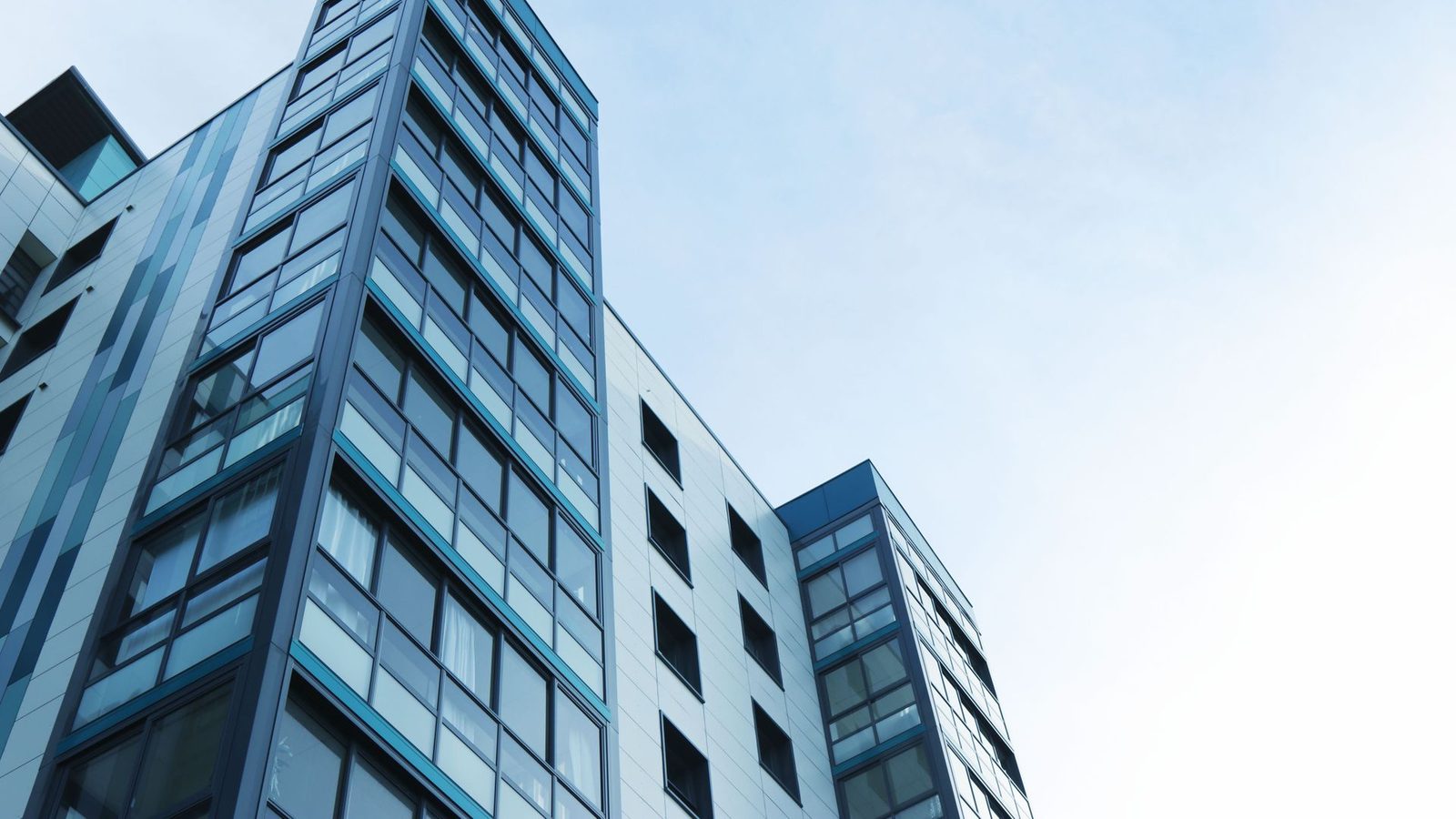
Commercial property in the Philippines: a 2026 buyer and tenant guide
Commercial property is a different game from buying a home, and the people who treat it like one tend to overpay or sign a lease they regret. This is space that earns its keep: a shop that needs foot traffic, an office that needs the right address, a warehouse that needs trucks to reach it. Whether you are an investor chasing yield or a business owner deciding to lease or buy, the rules are their own. Tenants weighing a shop in a shopping center should read our guide to renting space in a mall, which explains base and percentage rent, CUSA charges and the deposits malls require.
Here is the practical lay of the land for 2026: the kinds of commercial property, whether to buy or lease, what it costs, where the demand sits, and what to check before you commit.
The three kinds you will actually shop for
Most commercial listings fall into three buckets, and each has its own logic.
- Retail and commercial space. Shopfronts, units in commercial buildings, spaces along a high street or inside a mall. Here location and foot traffic are everything. Browse what is listed under commercial property.
- Office space. From a single floor in a business district tower to a fitted BPO seat block. The address, the grid power, and the internet backbone matter more than the square meters. See current office listings.
- Warehouses and industrial. Storage and logistics space, priced on a different scale and judged on ceiling height, loading docks, and how easily a container truck can get in and out. Browse warehouses.
Buy or lease? Be honest about why you want it
This is the first fork, and it splits cleanly by who you are.
Most businesses lease, and for good reason. Leasing keeps your capital in the business rather than locked in concrete, it lets you move when you outgrow the space, and it turns a huge purchase into a predictable monthly cost. The trade is that you build no equity and the rent can rise at renewal.
Investors buy, because the point is the income and the long-term appreciation. A well-located commercial unit on a solid lease can pay a better yield than a condo, and you control the asset. The trade is a much larger entry cost, lumpier vacancy risk, and tenants who are harder to replace than a residential renter.
If you are a business with the cash and a long horizon in one location, buying can make sense. If you are growing or unsure, lease and keep your options open.
What commercial property costs
Commercial pricing swings even harder than residential, because a prime ground-floor retail spot and a fringe warehouse are barely the same product. As a rough national anchor from active listings, commercial space trades around ₱130,000 (about $2,080 / €1,790) per square meter to buy and roughly ₱500 (about $8 / €6.9) per square meter a month to lease, but treat those as a midpoint to argue from, not a quote. A Makati or BGC office reads far higher; a provincial warehouse far lower.
Because the spread is so wide, price the specific segment rather than the headline. Our price per square meter tool has a dedicated commercial view, so you can see the live median sale and rent figures and compare cities before you visit.
Where the demand is
Three corridors drive most of the commercial action.
- Offices cluster in the established business districts: Makati CBD, BGC in Taguig, and Ortigas, with Cebu IT Park and a handful of regional hubs behind them. Demand here tracks the BPO and corporate market.
- Retail follows people. The strongest spots are high-traffic ground floors near transit, universities and residential density, plus units inside or beside the big malls.
- Warehousing and logistics has been one of the hottest segments, pushed by e-commerce. The demand sits along the expressway corridors: the Cavite and Laguna industrial belt south of the capital, the Bulacan and Pampanga corridor to the north, and the Rizal side to the east.
What to check before you sign or buy
Commercial due diligence is stricter than residential. Before you commit, work through:
- Zoning and permits. Confirm the property is zoned for your use and that the right business and occupancy permits can be secured. A cheap space you cannot legally operate in is no bargain.
- The lease terms. Read the escalation clause, the term and renewal, who pays association dues and real property tax, the security deposit and advance, and any fit-out or restoration obligations at the end.
- Parking and access. For retail, foot traffic and visibility. For warehouses, truck access, turning radius, ceiling height and loading docks. For offices, parking ratio and backup power.
- Taxes and VAT. Commercial rent and sales often carry VAT and withholding rules that do not apply to a simple home purchase. Price them in, and confirm the figures with an accountant.
- The numbers as an investor. Work the rental yield net of vacancy, dues, real property tax and management, the same discipline you would apply to a condo. Our guide to the best locations for rental income frames the yield question.
How to find commercial property on BalayHub
Start with the type that fits: commercial and retail space, offices, or warehouses. Filter by your city, and use the price per square meter tool to check whether an asking price is in line before you negotiate. To compare buying against leasing in the same area, line up the properties for sale against what is available to rent.
Commercial property rewards the buyer who does the unglamorous work: the zoning check, the foot-traffic count, the honest yield math. Get those right and the rest is just signing. This is general market information, not legal, tax or investment advice; confirm zoning, permits and the numbers with the relevant professionals before you transact.
Dollar and euro figures are approximate conversions at ₱62.5 per US dollar and ₱72.6 per euro (ECB reference rates, 2026-09-08).
Frequently asked questions
Should I buy or lease commercial property?
Most businesses lease, because it keeps capital in the business, allows you to move as you grow, and turns a large purchase into a predictable monthly cost. Investors buy for the income and long-term appreciation. If you are an established business with cash and a long horizon in one location, buying can make sense; if you are growing or unsure, leasing keeps your options open.
How much does commercial property cost per square meter in the Philippines?
As a rough national anchor from active listings, commercial space trades around ₱130,000 (about $2,080 / €1,790) per square meter to buy and roughly ₱500 (about $8 / €6.9) per square meter a month to lease. The spread is enormous, though: a Makati or BGC office reads far higher and a provincial warehouse far lower, so price the specific segment and city on our price per square meter tool before you negotiate.
What types of commercial property are there?
Three main kinds: retail and commercial space (shopfronts and units where foot traffic matters most), office space (where the address, power and internet matter), and warehouses and industrial space (judged on ceiling height, loading docks and truck access).
What should I check before buying or leasing commercial property?
Confirm the zoning and that the right business and occupancy permits can be secured for your use; read the lease escalation, term, dues and tax responsibilities; check parking and access (foot traffic for retail, loading and ceiling height for warehouses, power and parking for offices); price in VAT and withholding taxes; and, as an investor, work the net yield after vacancy, dues, real property tax and management.
Commercial property sa Pilipinas: gabay para sa buyer at tenant ngayong 2026
Ibang laro talaga ang commercial property kumpara sa pagbili ng bahay, at ang mga nagtuturing na pareho lang ang dalawa ay kadalasang nag-o-overpay o pumipirma ng lease na pagsisisihan nila. Ito ay space na dapat kumikita: tindahan na kailangan ng foot traffic, opisina na kailangan ng tamang address, warehouse na kailangang madaling puntahan ng truck. Investor ka man na naghahabol ng yield o may-ari ng negosyo na nagdedesisyon kung mag-lease o bibili, may sariling mga patakaran ang larong ito. Ang mga tenant na nag-iisip ng tindahan sa shopping center ay dapat basahin ang aming gabay sa pag-upa ng space sa mall, na nagpapaliwanag ng base at percentage rent, mga CUSA charge at mga deposit na hinihingi ng mga mall.
Heto ang praktikal na lagay ng merkado para sa 2026: ang mga klase ng commercial property, kung bibili ka ba o mag-le-lease, magkano ang gastos, saan matindi ang demand, at ano ang dapat i-check bago ka mag-commit.
Ang tatlong klase na talagang bibilhin o uupahan mo
Karamihan ng commercial listings ay pumapasok sa tatlong kategorya, at may kanya-kanyang lohika ang bawat isa.
- Retail at commercial space. Mga shopfront, unit sa mga commercial building, espasyo sa gilid ng highway o sa loob ng mall. Dito, location at foot traffic ang lahat. Silipin ang mga naka-lista sa ilalim ng commercial property.
- Office space. Mula sa isang palapag sa tower sa business district hanggang sa fitted na BPO seat block. Mas mahalaga ang address, ang kuryente, at ang internet backbone kaysa sa laki ng square meters. Tingnan ang mga kasalukuyang office listings.
- Warehouses at industrial. Espasyo para sa storage at logistics, may ibang presyuhan at hinuhusgahan sa ceiling height, loading docks, at kung gaano kadaling makapasok at makalabas ang container truck. Silipin ang mga warehouses.
Bibili o mag-le-lease? Maging tapat kung bakit mo ito gusto
Ito ang unang sangang-daan, at malinaw ang hatian depende kung sino ka.
Karamihan ng mga negosyo ay nag-le-lease, at may magandang dahilan. Sa lease, nananatili ang kapital mo sa negosyo imbes na nakabaon sa semento, malaya kang lumipat kapag naging masikip na ang space, at nagiging predictable na buwanang gastos ang isang napakalaking bilihin. Ang kapalit, wala kang naipupundar na equity at puwedeng tumaas ang renta sa renewal.
Ang mga investor ay bumibili, dahil ang punto nga ay ang kita at ang long-term appreciation. Ang isang commercial unit na maganda ang lokasyon at may solidong lease ay puwedeng magbigay ng mas magandang yield kaysa sa condo, at ikaw ang may kontrol sa asset. Ang kapalit, mas malaki nang husto ang puhunan sa simula, mas mabigat ang tama kapag nag-vacant, at mas mahirap palitan ang tenant kumpara sa residential renter.
Kung negosyo ka na may cash at matagal ang plano sa iisang lokasyon, puwedeng makatuwiran ang bumili. Kung lumalago ka pa o hindi ka sigurado, mag-lease ka muna at panatilihing bukas ang mga opsyon mo.
Magkano ang commercial property
Mas malaki pa ang talon ng presyo ng commercial kaysa sa residential, dahil ang prime na ground-floor retail spot at ang warehouse sa laylayan ay halos magkaibang produkto na. Bilang magaspang na pambansang batayan mula sa mga active listing, ang commercial space ay nasa bandang ₱130,000 (mga $2,080 / €1,790) kada square meter kung bibilhin at humigit-kumulang ₱500 (mga $8 / €6.9) kada square meter kada buwan kung uupahan, pero ituring mo ang mga ito bilang gitnang punto na pagtatalunan, hindi eksaktong quote. Mas mataas nang malayo ang office sa Makati o BGC; mas mababa nang malayo ang warehouse sa probinsya.
Dahil napakalapad ng agwat, presyuhan mo ang partikular na segment imbes na ang headline. May dedicated commercial view ang aming price per square meter tool, para makita mo ang live na median ng sale at rent at maikumpara ang mga lungsod bago ka pa bumisita.
Saan ang demand
Tatlong corridor ang nagpapaandar ng karamihan ng galaw sa commercial.
- Ang mga office ay nagkukumpulan sa mga established na business district: Makati CBD, BGC sa Taguig, at Ortigas, na sinusundan ng Cebu IT Park at ilang regional hub. Ang demand dito ay sumusunod sa BPO at corporate market.
- Ang retail ay sumusunod sa tao. Ang pinakamalalakas na spot ay ang mga high-traffic na ground floor malapit sa transit, mga unibersidad at siksik na residential area, pati ang mga unit sa loob o katabi ng malalaking mall.
- Ang warehousing at logistics ay isa sa pinakamainit na segment, tinutulak ng e-commerce. Ang demand ay nasa mga expressway corridor: ang industrial belt ng Cavite at Laguna sa timog ng kabisera, ang corridor ng Bulacan at Pampanga sa hilaga, at ang bahagi ng Rizal sa silangan.
Ano ang dapat i-check bago ka pumirma o bumili
Mas istrikto ang commercial due diligence kaysa sa residential. Bago ka mag-commit, pagdaanan ang mga ito:
- Zoning at permits. Kumpirmahin na naka-zone ang property para sa gamit mo at makukuha ang tamang business at occupancy permits. Ang murang space na hindi mo legal na mapapatakbuhan ng negosyo ay hindi bargain.
- Ang mga termino ng lease. Basahin ang escalation clause, ang term at renewal, kung sino ang magbabayad ng association dues at real property tax, ang security deposit at advance, at ang anumang obligasyon sa fit-out o restoration pagkatapos ng kontrata.
- Parking at access. Para sa retail, foot traffic at visibility. Para sa warehouses, daanan ng truck, turning radius, ceiling height at loading docks. Para sa offices, parking ratio at backup power.
- Buwis at VAT. Ang commercial rent at sales ay madalas may VAT at withholding rules na hindi umiiral sa simpleng pagbili ng bahay. Isama ang mga ito sa kuwenta, at kumpirmahin ang mga numero sa isang accountant.
- Ang mga numero bilang investor. Kuwentahin ang rental yield na bawas na ang vacancy, dues, real property tax at management, parehong disiplina na gagawin mo sa condo. Ang aming gabay sa pinakamagagandang lokasyon para sa rental income ang nagbabalangkas sa tanong ng yield.
Paano maghanap ng commercial property sa BalayHub
Magsimula sa type na bagay sa iyo: commercial at retail space, offices, o warehouses. Mag-filter ayon sa lungsod mo, at gamitin ang price per square meter tool para malaman kung nasa tamang linya ang asking price bago ka makipag-negotiate. Para maikumpara ang pagbili laban sa pag-lease sa parehong lugar, pagtabihin ang mga properties for sale at ang mga available na paupahan.
Ang commercial property ay gumaganti sa buyer na gumagawa ng hindi kaakit-akit na trabaho: ang zoning check, ang bilangan ng foot traffic, ang tapat na kuwenta ng yield. Ayusin mo ang mga iyon at ang natitira ay pirmahan na lang. Pangkalahatang impormasyon ito tungkol sa merkado, hindi legal, tax o investment advice; kumpirmahin ang zoning, permits at ang mga numero sa mga tamang propesyonal bago ka mag-transact.
Tinatayang conversion lang ang mga halaga sa dollar at euro, sa ₱62.5 kada US dollar at ₱72.6 kada euro (ECB reference rates, 2026-09-08).
Mga madalas itanong
Dapat ba akong bumili o mag-lease ng commercial property?
Karamihan ng businesses ay nag-le-lease, kasi nananatili ang capital sa negosyo, pwede kang lumipat habang lumalaki ka, at nagiging predictable monthly cost ang malaking purchase. Ang investors ang bumibili, para sa income at long-term appreciation. Kung established business ka na may cash at mahabang horizon sa isang location, pwedeng mag-make sense ang pagbili; kung lumalaki ka pa o hindi sigurado, mas bukas ang options mo sa leasing.
Magkano ang commercial property per square meter sa Pilipinas?
Bilang rough national anchor mula sa active listings, ang commercial space ay nagbebenta sa around ₱130,000 (mga $2,080 / €1,790) per square meter kapag bibilhin at roughly ₱500 (mga $8 / €6.9) per square meter kada buwan kapag ile-lease. Sobrang laki ng spread, though: mas mataas nang malayo ang Makati o BGC office at mas mababa nang malayo ang provincial warehouse, kaya i-presyo ang specific segment at city sa aming price per square meter tool bago ka makipag-negotiate.
Anu-ano ang mga uri ng commercial property?
Tatlong main na uri: retail and commercial space (mga shopfront at units kung saan foot traffic ang pinakaimportante), office space (kung saan mahalaga ang address, kuryente at internet), at warehouses and industrial space (hinuhusgahan sa ceiling height, loading docks at truck access).
Ano ang dapat i-check bago bumili o mag-lease ng commercial property?
I-confirm ang zoning at kung makukuha ang tamang business at occupancy permits para sa gamit mo; basahin ang lease escalation, term, dues at tax responsibilities; i-check ang parking at access (foot traffic para sa retail, loading at ceiling height para sa warehouses, kuryente at parking para sa offices); isama sa presyo ang VAT at withholding taxes; at bilang investor, kompyutin ang net yield after ng vacancy, dues, real property tax at management.
Commercial property sa Pilipinas: giya para sa buyer ug tenant karong 2026
Lahi gyud nga duwa ang commercial property kompara sa pagpalit og balay, ug ang mga tawo nga nagtuo nga pareho ra kini kasagaran mag-overpay o mopirma og lease nga ilang pagabasulan. Kini nga space kinahanglan mokita: tindahan nga nanginahanglan og foot traffic, opisina nga nanginahanglan sa saktong address, warehouse nga kinahanglan maabot sa truck. Investor ka man nga nangita og yield o negosyante nga nagdesisyon kung mo-lease o mopalit, naa kini kaugalingong mga lagda. Ang mga tenant nga nagtimbang-timbang og tindahan sa shopping center angay mobasa sa among giya sa pag-abang og space sa mall, nga nagpasabot sa base ug percentage rent, CUSA charges ug sa mga deposit nga gikinahanglan sa mga mall.
Ania ang praktikal nga hulagway sa merkado para sa 2026: ang mga klase sa commercial property, kung mopalit ba o mo-lease, pila ang gasto, asa kusog ang demand, ug unsa ang angay susihon una ka mo-commit.
Ang tulo ka klase nga imong pangitaon gyud
Kasagaran sa mga commercial listing mahulog sa tulo ka kategorya, ug ang matag usa naa niyay kaugalingong lohika.
- Retail ug commercial space. Mga shopfront, unit sa mga commercial building, mga espasyo daplin sa dagkong dalan o sulod sa mall. Dinhi, ang location ug foot traffic mao ang tanan. Susiha ang mga naka-lista ubos sa commercial property.
- Office space. Gikan sa usa ka andana sa tower sa business district hangtod sa fitted nga BPO seat block. Mas importante ang address, ang kuryente, ug ang internet backbone kaysa sa gidak-on sa square meters. Tan-awa ang mga kasamtangang office listings.
- Warehouses ug industrial. Espasyo para sa storage ug logistics, lahi ang presyohan ug gihukman base sa ceiling height, loading docks, ug kung unsa kadali makasulod ug makagawas ang container truck. Susiha ang mga warehouses.
Mopalit o mo-lease? Pagmatinud-anon kung ngano nimo kini gusto
Kini ang unang sanga sa dalan, ug klaro ang bahinan depende kung kinsa ka.
Kasagaran sa mga negosyo mo-lease, ug naay maayong rason. Sa lease, magpabilin ang imong kapital sa negosyo imbes nga malubong sa semento, gawasnon kang mobalhin kung gamay na kaayo ang space para nimo, ug mahimong predictable nga binulan nga gasto ang usa ka dako kaayong palit. Ang baylo, wala kay matigom nga equity ug posibleng mosaka ang abang inig renewal.
Ang mga investor mopalit, kay ang punto man gyud mao ang kita ug ang long-term appreciation. Ang usa ka commercial unit nga nindot og lokasyon ug naay lig-on nga lease makahatag og mas maayong yield kaysa condo, ug ikaw ang naay kontrol sa asset. Ang baylo, mas dako kaayo ang kapital sa sinugdanan, mas bug-at ang risgo kung ma-vacant, ug mas lisod ilisan ang tenant kompara sa residential renter.
Kung negosyo ka nga naay cash ug taas ang plano sa usa ka lokasyon, makatarunganon ang pagpalit. Kung nagtubo pa ka o dili sigurado, pag-lease usa ug ablihi ang imong mga opsyon.
Pila ang commercial property
Mas dako pa ang latagaw sa presyo sa commercial kaysa residential, kay ang prime nga ground-floor retail spot ug ang warehouse sa kilid-kilid halos managlahi na nga produkto. Isip banabana nga nasudnong sukdanan gikan sa mga active listing, ang commercial space anaa sa mga ₱130,000 (mga $2,080 / €1,790) kada square meter kung paliton ug mga ₱500 (mga $8 / €6.9) kada square meter kada bulan kung abangan, apan isipa kini nga tunga-tungang punto nga lantugian, dili eksaktong quote. Ang office sa Makati o BGC layo ra kaayo nga mas mahal; ang warehouse sa probinsya layo nga mas barato.
Tungod kay lapad kaayo ang gintang, presyohi ang espesipikong segment imbes nga ang headline. Ang among price per square meter tool naay dedicated nga commercial view, aron makita nimo ang live nga median sa sale ug rent ug makakompara og mga siyudad una pa ka mobisita.
Asa ang demand
Tulo ka corridor ang nagpadagan sa kadaghanan sa lihok sa commercial.
- Ang mga office nagpundok sa mga established nga business district: Makati CBD, BGC sa Taguig, ug Ortigas, gisundan sa Cebu IT Park ug pipila ka regional hub. Ang demand dinhi nagsunod sa BPO ug corporate market.
- Ang retail nagsunod sa tawo. Ang pinakakusog nga mga spot mao ang high-traffic nga ground floor duol sa transit, mga unibersidad ug baga nga residential nga lugar, apil ang mga unit sulod o tapad sa dagkong mall.
- Ang warehousing ug logistics usa sa pinakainit nga segment, giduso sa e-commerce. Ang demand anaa sa mga expressway corridor: ang industrial belt sa Cavite ug Laguna sa habagatan sa kaulohan, ang corridor sa Bulacan ug Pampanga sa amihanan, ug ang bahin sa Rizal sa sidlakan.
Unsa ang susihon una ka mopirma o mopalit
Mas estrikto ang commercial due diligence kaysa residential. Una ka mo-commit, agii kini:
- Zoning ug permits. Kumpirmaha nga naka-zone ang property para sa imong gamit ug makuha ang saktong business ug occupancy permits. Ang barato nga space nga dili nimo legal nga mapadaganan og negosyo dili bargain.
- Ang mga termino sa lease. Basaha ang escalation clause, ang term ug renewal, kinsa ang mobayad sa association dues ug real property tax, ang security deposit ug advance, ug ang bisan unsang obligasyon sa fit-out o restoration inig kahuman.
- Parking ug access. Para sa retail, foot traffic ug visibility. Para sa warehouses, agianan sa truck, turning radius, ceiling height ug loading docks. Para sa offices, parking ratio ug backup power.
- Buhis ug VAT. Ang commercial nga abang ug halin kasagaran naay VAT ug withholding rules nga wala sa ordinaryong pagpalit og balay. Iapil kini sa kwenta, ug kumpirmaha ang mga numero sa usa ka accountant.
- Ang mga numero isip investor. Kwentaha ang rental yield nga gikuhaan na sa vacancy, dues, real property tax ug management, sama ra nga disiplina nga imong gamiton sa condo. Ang among giya sa pinakamaayong mga lokasyon para sa rental income nagbutyag sa pangutana bahin sa yield.
Unsaon pagpangita og commercial property sa BalayHub
Sugdi sa type nga angay nimo: commercial ug retail space, offices, o warehouses. Pag-filter base sa imong siyudad, ug gamita ang price per square meter tool aron masuta kung sakto ba ang asking price una ka makig-negotiate. Aron makompara ang pagpalit batok sa pag-lease sa samang lugar, itapad ang mga properties for sale sa mga available nga paabangan.
Ang commercial property moganti sa buyer nga mobuhat sa dili nindot tan-awon nga trabaho: ang zoning check, ang pag-ihap sa foot traffic, ang matinud-anong kwenta sa yield. Saktoha kana ug ang nahibilin pirmahanay na lang. Kini kinatibuk-ang impormasyon sa merkado, dili legal, tax o investment advice; kumpirmaha ang zoning, permits ug ang mga numero sa mga hustong propesyonal una ka mo-transact.
Banabana lang ang mga conversion sa dollar ug euro, sa ₱62.5 matag US dollar ug ₱72.6 matag euro (ECB reference rates, 2026-09-08).
Mga kasagarang pangutana
Angay ba kong mopalit o mag-lease og commercial property?
Kadaghanan sa mga negosyo mag-lease, kay magpabilin ang capital sa negosyo, makabalhin ka samtang nagtubo ka, ug mahimong predictable monthly cost ang dako nga palit. Ang mga investor ang mopalit, para sa income ug long-term appreciation. Kung established na ang imong negosyo nga naay cash ug taas nga horizon sa usa ka location, pwedeng mag-make sense ang pagpalit; kung nagtubo pa ka o dili sigurado, mas abli ang imong options sa leasing.
Tagpila ang commercial property per square meter sa Pilipinas?
Isip rough national anchor gikan sa active listings, ang commercial space nagbaligya sa mga ₱130,000 (mga $2,080 / €1,790) per square meter kung paliton ug mga ₱500 (mga $8 / €6.9) per square meter kada bulan kung i-lease. Dako kaayo ang spread, pero: mas taas kaayo ang Makati o BGC office ug mas ubos kaayo ang provincial warehouse, mao nga i-presyo ang specific segment ug city sa among price per square meter tool usa ka makig-negotiate.
Unsa ang mga klase sa commercial property?
Tulo ka main nga klase: retail and commercial space (mga shopfront ug units diin ang foot traffic mao ang labing importante), office space (diin importante ang address, kuryente ug internet), ug warehouses and industrial space (hukman sa ceiling height, loading docks ug truck access).
Unsa ang angay i-check usa mopalit o mag-lease og commercial property?
I-confirm ang zoning ug kung makuha ba ang saktong business ug occupancy permits para sa imong gamit; basaha ang lease escalation, term, dues ug tax responsibilities; i-check ang parking ug access (foot traffic para sa retail, loading ug ceiling height para sa warehouses, kuryente ug parking para sa offices); iapil sa presyo ang VAT ug withholding taxes; ug isip investor, kwentaha ang net yield human sa vacancy, dues, real property tax ug management.
Browse properties on BalayHub
See all listings →
Read next
Condo Investment for Foreigners in the Philippines: the Math
Condo investment for foreigners in the Philippines: gross yields from 4.3% in Pasig to 11.9% in Davao, the 25% tax on non resident rent, and the 40% cap.
How to Check a TCT Online in the Philippines (LRA eSerbisyo)
How to check a TCT online through LRA eSerbisyo: the request step by step, fees from ₱644.97, delivery in 3 to 7 working days, reading the certified copy.
Beachfront Property in the Philippines: Rules and Prices
Beachfront property in the Philippines: the 20 meter no build easement, why the beach cannot be titled, lot prices from ₱2,500 to ₱30,000 per sqm.