
Jul 10, 2026 · by BalayHub Admin · 3 min read
Where to Live in Manila: Best Neighborhoods of the Capital (2026)
Malate, Ermita, Binondo, Sampaloc, Sta. Ana and the historic core compared: what living in the City of Manila is really like, district by district, and who thrives in the capital's density.
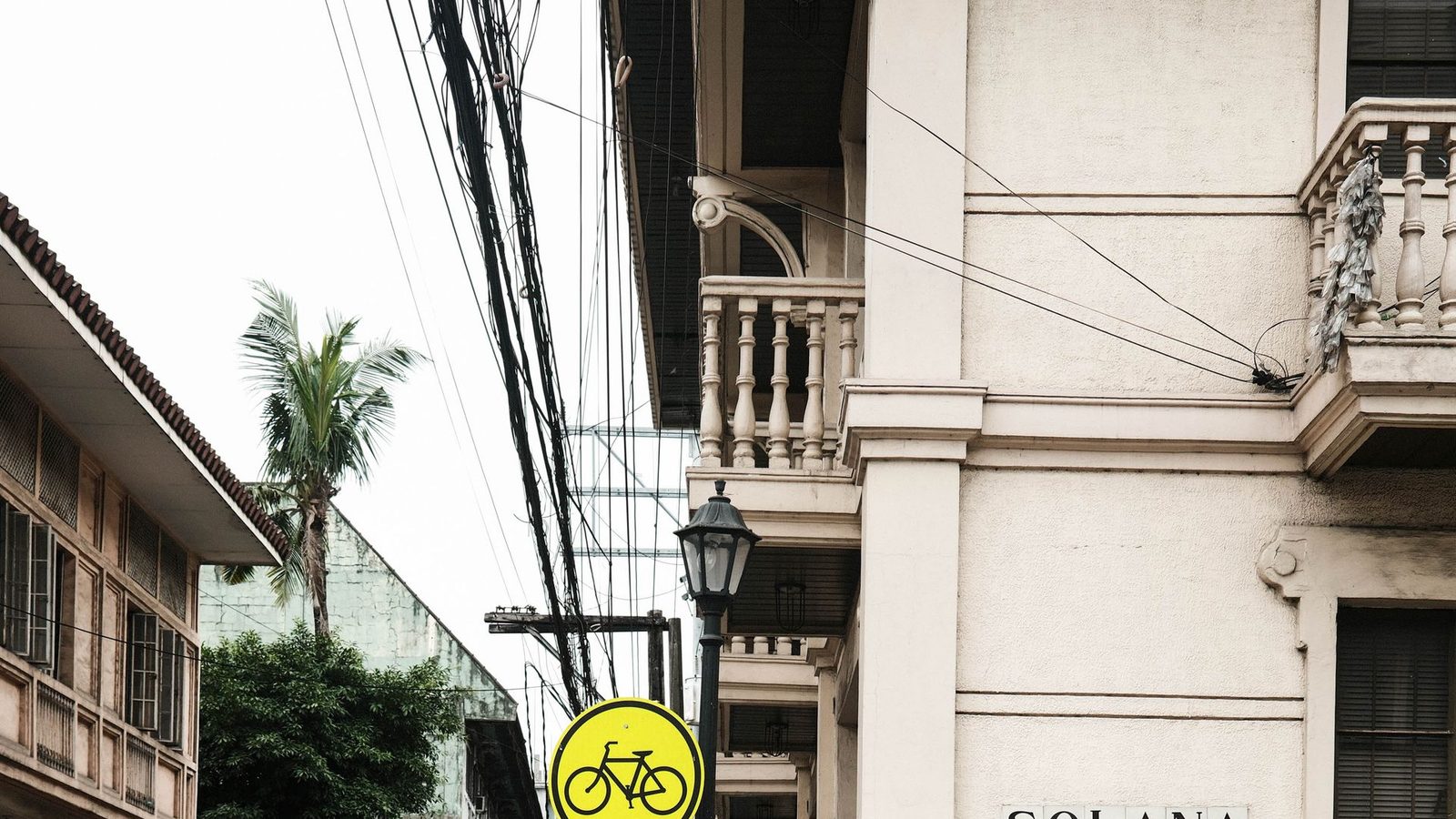
Where to live in Manila: the best neighborhoods of the capital's old heart (2026)
Manila the city is not Manila the metro, and the difference decides where you should live. The capital proper is the metro's dense, historic core: centuries-old districts, the country's biggest university belt, the bay sunset, and street life that never quite stops. It rewards people who want to live in a city rather than beside one, and it punishes anyone expecting suburban quiet.
Here is how the City of Manila's residential districts compare in 2026. Safety notes describe general reputation, not statistics: in Manila more than anywhere, conditions change block by block, so walk your exact street at night before signing anything.
How to judge a Manila neighborhood
Four filters matter most here: flood behavior (the old districts drain slowly, as our flood guide maps), building age and quality (a well-run newer tower changes everything in a dense district), noise tolerance, and what you need to walk to, because walkability is Manila's whole pitch.
The districts to know
Malate and Ermita. The bayside classics: sunset views on Roxas Boulevard, embassies, hospitals and an international crowd that has lived here for generations. The tourist strips are lively to loud; the residential towers a street or two inland are calmer, and the newer buildings with serious lobbies are the way in. Best for expats, medical professionals and anyone who wants the bay at the window.
Binondo and San Nicolas. The world's oldest Chinatown became one of Manila's most interesting condo markets: new towers above ancient streets, unbeatable food, and a genuine neighborhood economy. Dense and busy by definition; residents buy in for the energy, not despite it.
Intramuros and the historic core. Living inside the walls is niche but real, with restored pockets and a growing cafe scene. More character than convenience; the surrounding areas demand the street-by-street rule.
Sampaloc and the University Belt. UST and a dozen campuses drive one of the country's deepest rental markets: bedspaces, dorms and studio towers, covered in our budget renting guide. For landlords it is the definition of demand; for families it is busier than most want.
Paco, San Miguel and Sta. Ana. The quiet middle: heritage houses, riverside pockets and prices below the bayfront. Sta. Ana in particular keeps a village feel rare this close to the center. Check flood behavior street by street, and you can find some of the best value in the capital.
Santa Mesa. The eastern gateway: PUP, rail access and newer mid-market towers, including the Sta. Mesa condos in our building directory. A practical, well-connected base priced for first-time buyers.
The honest trade
Manila proper costs less per square meter than Makati or BGC and delivers more life per block, and the payment for that is density: traffic, noise and streets that demand awareness at night, especially outside the established pockets. The buyers and renters who thrive here chose it deliberately. If you are weighing the capital against the business districts, our Metro Manila condo guide and the cost of living comparison put numbers on the trade.
Students and landlords look at Sampaloc, bay-lovers and expats at Malate and Ermita's better towers, food-and-culture people at Binondo, and value hunters at Sta. Ana and Paco. Whichever pocket calls you, browse the current homes for rent and for sale in Manila, and let a night-time walk cast the deciding vote. This is general guidance on neighborhood character, not a safety guarantee; verify your specific street in person.
Frequently asked questions
What are the best areas to live in the City of Manila?
Malate and Ermita for the bayside towers and international feel, Binondo for the Chinatown energy and food, Sta. Ana and Paco for quiet value near the center, Sampaloc for the university belt, and Santa Mesa for rail-connected mid-market living.
Is Manila safe to live in?
The established residential pockets and well-run towers are lived in comfortably by students, families and expats, but Manila is dense and conditions genuinely change block by block. Choose buildings with serious security, favor the known pockets, and walk your exact street at night before committing.
Where do expats live in Manila?
Traditionally along the bay in Malate and Ermita, near the embassies, hospitals and Roxas Boulevard, usually in the newer towers a street or two inland from the entertainment strips. Binondo attracts the food-and-culture crowd.
Is living in Manila cheaper than Makati or BGC?
Per square meter, yes, and noticeably. The capital trades polish for character and density: you pay less than the business districts and get more street life per block, with traffic and noise as the other side of the bargain.
Saan magandang tumira sa Manila: ang best neighborhoods ng lumang puso ng kabisera (2026)
Ang Manila na siyudad ay hindi ang Manila na metro, at ang pagkakaibang iyon ang magdedesisyon kung saan ka dapat tumira. Ang mismong kabisera ang siksik at makasaysayang core ng metro: mga distritong ilang siglo na ang edad, ang pinakamalaking university belt sa bansa, ang sunset sa bay, at street life na halos hindi humihinto. Sinusuklian nito ang mga taong gustong mamuhay sa loob mismo ng siyudad sa halip na sa tabi nito, at pinaparusahan nito ang sinumang umaasa ng suburban na katahimikan.
Narito kung paano nagkukumpara ang mga residential district ng City of Manila sa 2026. Ang mga safety note ay naglalarawan ng general na reputasyon, hindi statistics: sa Manila higit saanman, nagbabago ang kondisyon kada block, kaya lakarin ang mismong kalye mo sa gabi bago pumirma ng kahit ano.
Paano husgahan ang isang Manila neighborhood
Apat na filter ang pinakamahalaga dito: flood behavior (mabagal mag-drain ang mga lumang distrito, gaya ng na-map ng aming flood guide), edad at kalidad ng building (malaki ang binabago ng maayos na pamamahala ng mas bagong tower sa isang siksik na distrito), noise tolerance, at kung ano ang kailangan mong ma-lakad, dahil ang walkability ang buong benta ng Manila.
Ang mga distritong dapat kilalanin
Malate at Ermita. Ang mga classic sa tabing-bay: sunset views sa Roxas Boulevard, mga embahada, mga ospital, at isang international na komunidad na ilang henerasyon nang nakatira dito. Ang mga tourist strip ay masigla hanggang maingay; mas kalmado ang mga residential tower na isa o dalawang kalye papasok, at ang mga mas bagong building na may seryosong lobby ang daan papasok. Best para sa mga expat, medical professional, at sinumang gusto ng bay sa bintana.
Binondo at San Nicolas. Ang pinakamatandang Chinatown sa mundo ay naging isa sa pinaka-interesting na condo market ng Manila: mga bagong tower sa ibabaw ng sinaunang mga kalye, pagkaing walang katalo, at tunay na neighborhood economy. Siksik at abala by definition; ang mga residente ay bumibili dahil mismo sa energy, hindi sa kabila nito.
Intramuros at ang historic core. Niche pero totoo ang pamumuhay sa loob ng mga pader, may mga restored pocket at lumalagong cafe scene. Mas maraming character kaysa convenience; ang mga lugar sa paligid ay nangangailangan ng street-by-street rule.
Sampaloc at ang University Belt. Ang UST at mahigit sampung campus ang nagpapaandar ng isa sa pinakamalalim na rental market sa bansa: mga bedspace, dorm, at studio tower, na tinalakay sa aming budget renting guide. Para sa mga landlord, ito na mismo ang depinisyon ng demand; para sa mga pamilya, mas abala ito kaysa gusto ng karamihan.
Paco, San Miguel at Sta. Ana. Ang tahimik na gitna: mga heritage house, mga pocket sa tabing-ilog, at mga presyong mas mababa kaysa sa bayfront. Ang Sta. Ana lalo na ay nagpapanatili ng village feel na bihira sa ganito kalapit sa sentro. I-check ang flood behavior kada kalye, at makakahanap ka ng ilan sa pinakamagandang value sa kabisera.
Santa Mesa. Ang eastern gateway: PUP, rail access, at mas bagong mid-market towers, kasama ang mga Sta. Mesa condo sa aming building directory. Isang praktikal at konektadong base na presyuhan para sa mga first-time buyer.
Ang honest na trade
Mas mura ang Manila proper kada square meter kaysa Makati o BGC at mas maraming buhay kada block ang hatid nito, at ang kabayaran doon ay density: traffic, ingay, at mga kalyeng nangangailangan ng alerto sa gabi, lalo na sa labas ng mga established na pocket. Ang mga buyer at renter na umuunlad dito ay sadyang pinili ito. Kung tinitimbang mo ang kabisera laban sa mga business district, ang aming Metro Manila condo guide at ang cost of living comparison ang maglalagay ng numero sa trade.
Ang mga estudyante at landlord ay tumitingin sa Sampaloc, ang mga mahilig sa bay at mga expat sa mas magagandang tower ng Malate at Ermita, ang mga food-and-culture na tao sa Binondo, at ang mga value hunter sa Sta. Ana at Paco. Alinmang pocket ang tumawag sa iyo, i-browse ang mga kasalukuyang bahay for rent at for sale sa Manila, at hayaang ang isang night-time walk ang magbigay ng deciding vote. General guidance ito sa character ng neighborhood, hindi garantiya ng kaligtasan; i-verify ang mismong kalye mo nang personal.
Mga madalas itanong
Ano ang pinakamagagandang lugar para tumira sa City of Manila?
Malate at Ermita para sa bayside towers at international na vibe, Binondo para sa Chinatown energy at pagkain, Sta. Ana at Paco para sa tahimik na value malapit sa sentro, Sampaloc para sa university belt, at Santa Mesa para sa mid-market living na konektado sa tren.
Ligtas bang tumira sa Manila?
Komportableng tinitirhan ng mga estudyante, pamilya at expats ang mga established residential pockets at maayos na patakbo na towers, pero siksik ang Manila at talagang nagbabago ang kondisyon bawat block. Pumili ng buildings na seryoso ang security, unahin ang mga kilalang pockets, at lakarin mismo ang eksaktong kalye mo sa gabi bago mag-commit.
Saan nakatira ang mga expat sa Manila?
Tradisyonal na sa may bay sa Malate at Ermita, malapit sa mga embahada, ospital at Roxas Boulevard, kadalasan sa mga mas bagong towers na isa o dalawang kalye papasok mula sa entertainment strips. Ang Binondo naman ang pinupuntahan ng food-and-culture crowd.
Mas mura bang tumira sa Manila kaysa Makati o BGC?
Per square meter, oo, at kapansin-pansin. Ipinagpapalit ng capital ang polish para sa character at density: mas mababa ang babayaran mo kaysa sa business districts at mas maraming street life bawat block, kapalit naman ang traffic at ingay.
Asa magpuyo sa Manila: ang best neighborhoods sa karaang kasingkasing sa kaulohan (2026)
Ang Manila nga siyudad dili mao ang Manila nga metro, ug ang maong kalainan ang modesisyon kung asa ka angay magpuyo. Ang kaulohan mismo mao ang puno sa tawo ug makasaysayanon nga core sa metro: mga distrito nga gatusan ka tuig na ang edad, ang pinakadako nga university belt sa nasod, ang sunset sa bay, ug street life nga halos dili gyud mohunong. Gantihan niini ang mga tawo nga gustong magpuyo sulod mismo sa siyudad imbes nga sa kilid niini, ug silotan niini ang bisan kinsa nga nagdahom og suburban nga kahilom.
Ania kung giunsa pagkumpara sa mga residential district sa City of Manila karong 2026. Ang mga safety note naghulagway sa general nga reputasyon, dili statistics: sa Manila labaw sa bisan asa, mausab ang kahimtang matag block, busa lakwa ang imong eksaktong dalan sa gabii una ka mopirma og bisan unsa.
Unsaon paghukom sa usa ka Manila neighborhood
Upat ka filter ang pinakaimportante dinhi: flood behavior (hinay mo-drain ang mga karaang distrito, sama sa gi-map sa among flood guide), edad ug kalidad sa building (dako ang mabag-o sa usa ka maayong pagkadumala nga mas bag-o nga tower sa puno nga distrito), noise tolerance, ug unsa ang kinahanglan nimong malakaw, kay ang walkability mao ang tibuok benta sa Manila.
Ang mga distrito nga angay hibaw-an
Malate ug Ermita. Ang mga classic sa daplin sa bay: sunset views sa Roxas Boulevard, mga embahada, mga ospital, ug international nga komunidad nga daghang henerasyon nang nagpuyo dinhi. Ang mga tourist strip kay buhi hangtod saba; mas kalmado ang mga residential tower nga usa o duha ka dalan pasulod, ug ang mas bag-o nga mga building nga adunay seryosong lobby mao ang agianan pasulod. Best para sa mga expat, medical professional, ug bisan kinsa nga gusto makita ang bay sa bintana.
Binondo ug San Nicolas. Ang pinakakaraan nga Chinatown sa kalibotan nahimong usa sa pinaka-interesting nga condo market sa Manila: bag-ong mga tower ibabaw sa karaang mga dalan, pagkaon nga walay makatupong, ug tinuod nga neighborhood economy. Puno sa tawo ug puliki by definition; ang mga residente mopalit tungod mismo sa energy, dili bisan pa niini.
Intramuros ug ang historic core. Ang pagpuyo sulod sa mga paril kay niche apan tinuod, adunay mga restored pocket ug nagtubo nga cafe scene. Mas daghang character kaysa convenience; ang mga lugar sa palibot nanginahanglan sa street-by-street rule.
Sampaloc ug ang University Belt. Ang UST ug kapin sa napulo ka campus ang nagpadagan sa usa sa pinakalawom nga rental market sa nasod: mga bedspace, dorm, ug studio tower, nga gihisgotan sa among budget renting guide. Para sa mga landlord, kini na mismo ang kahulogan sa demand; para sa mga pamilya, mas puliki kini kaysa gusto sa kadaghanan.
Paco, San Miguel ug Sta. Ana. Ang hilom nga tunga: mga heritage house, mga pocket sa daplin sa suba, ug mga presyo nga ubos sa bayfront. Ang Sta. Ana ilabina nagpabilin sa village feel nga talagsaon niining kaduol sa sentro. Susiha ang flood behavior matag dalan, ug makakita ka sa pipila sa pinakamaayong value sa kaulohan.
Santa Mesa. Ang eastern gateway: PUP, rail access, ug mas bag-ong mid-market towers, lakip ang mga Sta. Mesa condo sa among building directory. Praktikal ug konektado nga base nga gipresyo para sa mga first-time buyer.
Ang tinuod nga trade
Mas barato ang Manila proper matag square meter kaysa Makati o BGC ug mas daghang kinabuhi matag block ang hatag niini, ug ang bayad niana mao ang density: traffic, saba, ug mga dalan nga nanginahanglan og pagbantay sa gabii, ilabina gawas sa mga established nga pocket. Ang mga buyer ug renter nga molambo dinhi kay tinuyo nga nagpili niini. Kung gitimbang-timbang nimo ang kaulohan batok sa mga business district, ang among Metro Manila condo guide ug ang cost of living comparison mobutang og numero sa trade.
Ang mga estudyante ug landlord motan-aw sa Sampaloc, ang mga hilig sa bay ug mga expat sa mas maayong mga tower sa Malate ug Ermita, ang mga food-and-culture nga tawo sa Binondo, ug ang mga value hunter sa Sta. Ana ug Paco. Bisan asa nga pocket ang motawag kanimo, i-browse ang kasamtangang mga balay for rent ug for sale sa Manila, ug pasagdi nga ang usa ka night-time walk ang mohatag sa deciding vote. Kini kay general nga giya bahin sa character sa neighborhood, dili garantiya sa kaluwasan; i-verify ang imong espesipikong dalan nga personal.
Mga kasagarang pangutana
Unsa ang labing maayo nga mga lugar puy-an sa City of Manila?
Malate ug Ermita para sa bayside towers ug international nga vibe, Binondo para sa Chinatown energy ug pagkaon, Sta. Ana ug Paco para sa hilom nga value duol sa sentro, Sampaloc para sa university belt, ug Santa Mesa para sa mid-market living nga konektado sa tren.
Luwas ba magpuyo sa Manila?
Komportable nga gipuy-an sa mga estudyante, pamilya ug expats ang mga established residential pockets ug maayo og pagkadumala nga towers, pero puno kaayo ang Manila ug tinuod nga mag-usab-usab ang kahimtang matag block. Pilia ang buildings nga seryoso og security, unaha ang mga nailhan nga pockets, ug lakwa mismo ang imong eksaktong dalan sa gabii una ka mo-commit.
Asa nagpuyo ang mga expat sa Manila?
Tradisyonal nga sa daplin sa bay sa Malate ug Ermita, duol sa mga embahada, ospital ug Roxas Boulevard, kasagaran sa mga mas bag-o nga towers nga usa o duha ka dalan gikan sa entertainment strips. Ang Binondo maoy adtoan sa food-and-culture crowd.
Mas barato ba magpuyo sa Manila kaysa Makati o BGC?
Per square meter, oo, ug klaro kaayo. Gibaylo sa capital ang polish para sa character ug density: mas ubos ang imong bayad kaysa sa business districts ug mas daghan og street life matag block, pero traffic ug saba ang kabaylo.
Looking for a place?
See all listings →Read next
Commercial Space for Rent Quezon City: Rates by Area (2026)
Commercial space for rent in Quezon City: food stalls from ₱5,500, Cubao ₱800 per sqm, Scout area ₱1,500, Banawe ₱375 to ₱773, and the mall alternative.
Makati vs BGC Condo Investment: Prices, Rents, Yields (2026)
Makati vs BGC condo investment: ₱194,772 against ₱198,063 per sqm, rents by unit type, yields of 5.8% and 6.0%, tenants, vacancy and the foreign cap.
Beachfront Condos in Mactan: Prices, Buildings and Rents
Beachfront condos in Mactan: studios ₱1.95M to ₱4.6M, one bedrooms ₱5.9M to ₱8.5M, rents ₱14,000 to ₱52,000, 22 resort buildings and a 10.8% index yield.