
Sep 17, 2026 · by BalayHub Admin · 6 min read
Renting Space in a Mall in the Philippines: Costs and Terms
Renting space in a mall in the Philippines: base plus percentage rent, CUSA, deposits of two to six months, fit out, and street rents from ₱458 per sqm.
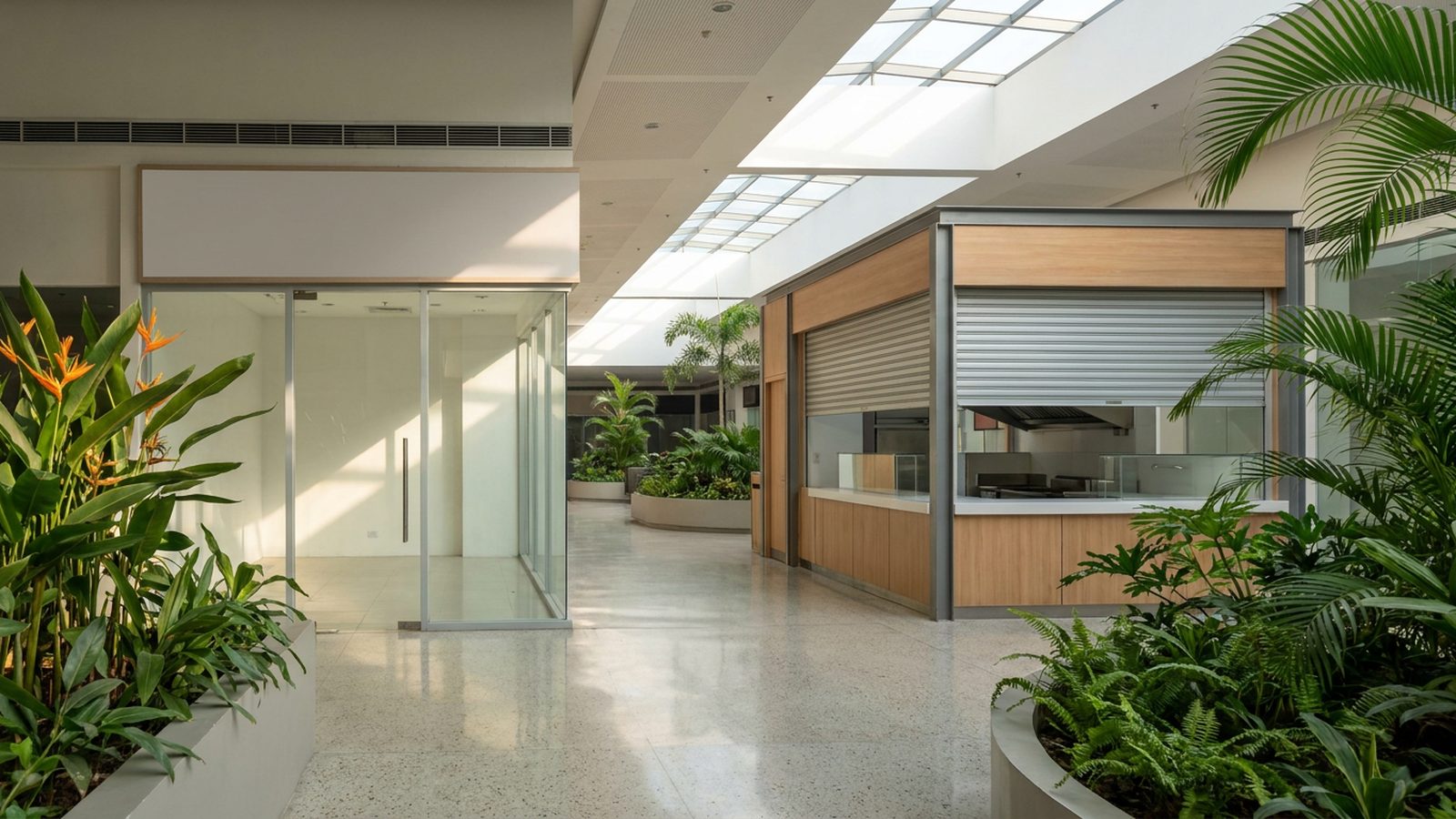
For a food brand, a clinic or a small retailer, renting space in a mall in the Philippines is the fastest way to buy foot traffic, and the easiest way to sign a lease you do not fully understand. Mall rent is not a single number. It is a base rent, a share of your sales, a service charge, a marketing fund, a deposit measured in months and a construction bond, and the contract is usually shown only after your concept has been approved. This guide explains how mall leases are structured, what to ask before you apply, how the market looks in 2026, and how the cost compares with a street level space using real asking rents from our listings.
How mall rent is built
Malls price space in three ways, and the larger ones combine them. A fixed rent is a set amount per square meter per month. A percentage rent is a share of your gross sales, which is why in line stores are required to run a point of sale system the mall can read. The common formula for in line tenants is a hybrid: a fixed minimum plus a percentage of sales, or whichever of the two is higher. Kiosks and carts are more often charged a fixed rent only.
On top of the rent come the charges that first time tenants forget to budget. The common usage service area charge, CUSA, is quoted per square meter and pays for air conditioning, security, cleaning and the upkeep of common areas. Utilities are submetered, and some malls bill a minimum even in a slow month. In line tenants usually contribute to a marketing or advertising fund. Pest control, grease trap servicing for food tenants and point of sale maintenance appear as separate lines. Ask for all of them in writing, per square meter, before you compare two malls on the base rent.
The rate itself depends on the city, the mall, the floor, the distance from the anchors and the escalators, and whether the space is for food or for retail. There is no uniform contract even among malls of the same operator, which is why a quotation for one branch tells you little about the next.
The cash you need before opening day
The deposit is the first shock. Security deposits and bonds commonly run from two to six months of gross rent, on top of advance rent, and they stay with the landlord for the whole term. The fit out is the second. You will build the store at your own cost, to a design the mall approves, during a fit out period that may or may not be rent free, and the mall will ask for a construction bond and for contractor's all risks insurance before your workers are allowed in. Add the business permits for the branch, which the local government issues only once you have the lease.
We suggest having the fit out cost plus at least six months of total occupancy cost in hand before signing. Total occupancy cost, rent plus CUSA plus the other charges, is also the figure to measure against projected sales, month by month, before you commit to a three year term.
What the mall will ask from you
The application is a pitch. Expect to submit a letter of intent naming the branch and the size you want, a company profile with your DTI or SEC registration, a product list with prices, photos or perspectives of the store design, and your existing branches and sales if you have them. The leasing team decides on tenant mix first and price second: a mall with six milk tea stalls will decline a seventh at any rent. New concepts are often offered a kiosk, a cart or a short term pop up first, which is a fair test for both sides.
Only after approval will you see the lease. Read the clauses on the term and renewal, the annual escalation, the percentage rent and how sales are audited, the operating hours you must keep, relocation rights the mall reserves, exclusivity if any, and what happens to your deposit and your fit out if you close early. A lawyer's fee for this review is small against a three year commitment.
The market in 2026
The timing is reasonable for tenants. Colliers reported that vacancy in Metro Manila malls fell to 10.8% in the first quarter of 2026, from 11.4% in the third quarter of 2025, the lowest level since early 2020, with food and beverage, clothing and footwear brands taking most of the space, according to the Manila Bulletin's coverage in May. The same research expects landlords to stay cautious on rent increases this year, and new supply of about 111,000 square meters a year through 2028 against 332,000 a year before the pandemic. About a tenth of mall space is still empty, and operators would rather fill it with a sound tenant than hold out for a higher rate. The large operators are also opening and renovating malls in Cebu, Davao, Iloilo and Bacolod, where a new brand meets less competition for the same square meter.
The street level alternative, with real numbers
A mall is not the only location for a business. In our listing sample, street level commercial space for rent asks a median of about ₱786 (about $13 / €11) per square meter a month in Quezon City, across 16 listings with a typical size of 80 square meters and a median rent of ₱54,750 (about $872 / €761). Makati asks about ₱1,715 (about $27 / €24) per square meter, Cebu City ₱630 (about $10 / €8.8), Davao ₱530 (about $8.4 / €7.4) and Mandaue ₱458 (about $7.3 / €6.4). At the small end, food stalls of 4 to 9 square meters near schools and in neighborhood food hubs in Quezon City and Marikina list at ₱5,500 to ₱8,000 (about $88 to $127 / €76 to €111) a month, and a food cart space in Taguig at ₱10,000 (about $159 / €139).
Those rents come without CUSA and without a percentage of sales. They also come without the mall's foot traffic, parking, air conditioning and security, so the comparison is between paying for traffic and building your own. Browse the current commercial spaces for rent and sale, including property listings in Quezon City, and read our commercial property guide for buyers and tenants for lease terms outside the malls.
Choosing between them
Take the mall when your product depends on impulse and volume, when your brand is unknown and needs the landlord's traffic, and when your margins can carry a percentage rent. Take the street when your customers come to you on purpose, as they do for clinics, salons, repair shops and delivery kitchens, or when you are still proving the concept. Many operators do both: a kitchen on a side street at street rents and a kiosk in the mall as the shop window. If the business needs storage behind it, our guide to warehouses and industrial property covers that side, and owners weighing whether to buy instead of rent can start with the property valuation tool. For a lease outside a mall, our notes on what a Philippine lease agreement should include apply to commercial space as well.
This article is general information, not legal or business advice. Mall lease terms vary by operator and branch and are disclosed during the application; street level rents are asking figures from BalayHub's listing price sample as of September 2026.
Dollar and euro figures are approximate conversions at ₱62.8 per US dollar and ₱72.0 per euro (ECB reference rates, 2026-09-18).
Frequently asked questions
How much does it cost to rent a space in a mall in the Philippines?
There is no published rate card. Rent depends on the city, the mall, the floor and the position, and is usually a fixed minimum per square meter plus a percentage of gross sales, or whichever is higher. On top come the CUSA service charge per square meter, submetered utilities, a marketing fund and other fees. Ask for every charge in writing and compare total occupancy cost, not base rent.
What is CUSA in a mall lease?
CUSA stands for common usage service area charge. It is billed per square meter each month and pays for the mall's air conditioning, security, cleaning, maintenance and the upkeep of common areas. It is separate from the rent and from your own utilities, and because it applies to the whole leased area it can be a large part of the monthly bill for small, low margin tenants.
How much deposit does a mall require?
Security deposits and bonds commonly run from two to six months of gross rent, plus advance rent, and are held for the whole lease term. Malls also require a construction bond and contractor's all risks insurance before the fit out starts. A tenant should have the fit out budget and at least six months of total occupancy cost available before signing.
Is it cheaper to rent a commercial space outside a mall?
Usually, per square meter. In our listing sample, street level commercial space asks a median of about ₱786 (about $13 / €11) per square meter a month in Quezon City, ₱1,715 (about $27 / €24) in Makati, ₱630 (about $10 / €8.8) in Cebu City, ₱530 (about $8.4 / €7.4) in Davao and ₱458 (about $7.3 / €6.4) in Mandaue, with no CUSA and no percentage of sales. Small food stalls of 4 to 9 square meters list at ₱5,500 to ₱8,000 (about $88 to $127 / €76 to €111) a month. You give up the mall's foot traffic.
What documents do I need to apply for mall space?
A letter of intent naming the branch and the size you want, a company profile with DTI or SEC registration, your product list and price points, perspectives or photos of the proposed store design, and details of existing branches and sales if any. Leasing teams decide on tenant mix first, so a clear concept matters as much as the rent you can pay. The lease is shown after approval.
Para sa isang food brand, clinic o maliit na retailer, ang pag-upa ng space sa mall sa Pilipinas ay ang pinakamabilis na paraan ng pagbili ng foot traffic, at ang pinakadaling paraan ng pagpirma ng lease na hindi lubos na nauunawaan. Ang upa sa mall ay hindi iisang numero. Ito ay base rent, bahagi ng iyong sales, service charge, marketing fund, deposit na sinusukat sa mga buwan at construction bond, at ang kontrata ay kadalasang ipinapakita tanging matapos maaprubahan ang iyong concept. Ipinapaliwanag ng gabay na ito ang istruktura ng mga mall lease, ang mga dapat itanong bago mag-apply, ang lagay ng market sa 2026, at ang paghahambing ng gastos sa street level space gamit ang totohanang asking rent mula sa aming mga listing.
Ang pagkakabuo ng upa sa mall
Tatlong paraan ang ginagamit ng mga mall sa pagpepresyo ng space, at pinagsasama ang mga ito ng mga mas malaking mall. Ang fixed rent ay takdang halaga per square meter kada buwan. Ang percentage rent ay bahagi ng iyong gross sales, at dahil dito ang mga in line store ay inoobligang gumamit ng point of sale system na mababasa ng mall. Ang karaniwang formula para sa mga in line tenant ay hybrid: fixed minimum dagdag ang percentage ng sales, o alinman sa dalawa na mas mataas. Ang mga kiosk at cart ay kadalasang sinisingil ng fixed rent lamang.
Sa ibabaw ng upa ay ang mga charge na nalilimutan ng mga first time tenant sa kanilang budget. Ang common usage service area charge, o CUSA, ay naka-quote per square meter at nagbabayad para sa air conditioning, security, cleaning at upkeep ng mga common area. Naka-submeter ang utilities, at ilang mall ay naniningil ng minimum kahit sa matumal na buwan. Ang mga in line tenant ay kadalasang nag-aambag sa marketing o advertising fund. Ang pest control, grease trap servicing para sa mga food tenant at point of sale maintenance ay lumalabas bilang hiwalay na mga linya. Hingin ang lahat nang nakasulat, per square meter, bago ihambing ang dalawang mall sa base rent.
Ang rate ay nakasalalay sa lungsod, sa mall, sa floor, sa layo mula sa mga anchor at mga escalator, at kung ang space ay para sa food o para sa retail. Walang uniform na kontrata kahit sa mga mall ng parehong operator, at dahil dito ang quotation para sa isang branch ay nagsasabi ng kaunti tungkol sa susunod.
Ang cash na kailangan bago ang opening day
Ang deposit ay ang unang shock. Ang mga security deposit at bond ay karaniwang mula dalawa hanggang anim na buwan ng gross rent, dagdag sa advance rent, at nananatili sa landlord sa buong term. Ang fit out ay ang ikalawa. Itatayo ang store sa iyong gastos, ayon sa design na inaprubahan ng mall, sa loob ng fit out period na maaaring rent free o hindi, at hihingi ang mall ng construction bond at contractor's all risks insurance bago papasukin ang iyong mga trabahador. Idagdag ang mga business permit para sa branch, na iniisyu ng local government tanging kapag may lease.
Iminumungkahi naming magkaroon ng fit out cost dagdag ang hindi bababa sa anim na buwan ng total occupancy cost bago pumirma. Ang total occupancy cost, upa dagdag ang CUSA dagdag ang ibang charge, ay siya ring numerong dapat sukatin laban sa projected sales, buwan buwan, bago mag-commit sa tatlong taong term.
Ang hihingin ng mall mula sa iyo
Ang application ay isang pitch. Asahang magsumite ng letter of intent na nagsasaad ng branch at ng size na nais, company profile na may DTI o SEC registration, product list na may mga presyo, mga photo o perspective ng store design, at ang mga kasalukuyang branch at sales kung may mga ito. Ang leasing team ay nagpapasya una sa tenant mix at ikalawa sa presyo: ang mall na may anim na milk tea stall ay tatanggihan ang ikapito sa anumang upa. Ang mga bagong concept ay kadalasang inaalok ng kiosk, cart o short term pop up una, na isang patas na test para sa magkabilang panig.
Tanging matapos ang approval makikita ang lease. Basahin ang mga clause tungkol sa term at renewal, ang annual escalation, ang percentage rent at ang pag-audit ng sales, ang operating hours na dapat sundin, ang relocation rights na inilalaan ng mall sa kanyang panig, exclusivity kung may, at ang kahihinatnan ng iyong deposit at fit out kung magsara nang maaga. Ang fee ng abogado para sa review na ito ay maliit laban sa tatlong taong commitment.
Ang market sa 2026
Makatwiran ang timing para sa mga tenant. Iniulat ng Colliers na ang vacancy sa mga mall ng Metro Manila ay bumaba sa 10.8% sa unang quarter ng 2026, mula 11.4% sa ikatlong quarter ng 2025, ang pinakamababang antas mula maagang 2020, na ang mga food and beverage, clothing at footwear brand ang kumuha ng karamihan ng space, ayon sa coverage ng Manila Bulletin noong Mayo. Inaasahan ng parehong research na mananatiling maingat ang mga landlord sa rent increase sa taong ito, at new supply na mga 111,000 square meter kada taon hanggang 2028 laban sa 332,000 kada taon bago ang pandemic. Mga ikasampung bahagi ng mall space ay bakante pa, at pipiliin ng mga operator na punuin ito ng matatag na tenant kaysa maghintay ng mas mataas na rate. Ang mga malaking operator ay nagbubukas at nagre-renovate din ng mga mall sa Cebu, Davao, Iloilo at Bacolod, na ang bagong brand ay may mas kaunting kakumpitensya para sa parehong square meter.
Ang street level na alternatibo, na may totohanang numero
Ang mall ay hindi ang tanging lokasyon para sa negosyo. Sa aming listing sample, ang street level commercial space for rent ay may median asking rent na mga ₱786 (mga $13 / €11) per square meter kada buwan sa Quezon City, sa 16 listing na may tipikal na size na 80 square meter at median na upa na ₱54,750 (mga $872 / €761). Ang Makati ay nasa mga ₱1,715 (mga $27 / €24) per square meter, Cebu City ₱630 (mga $10 / €8.8), Davao ₱530 (mga $8.4 / €7.4) at Mandaue ₱458 (mga $7.3 / €6.4). Sa maliit na dulo, ang mga food stall na 4 hanggang 9 square meter malapit sa mga paaralan at sa mga neighborhood food hub sa Quezon City at Marikina ay naka-list sa ₱5,500 hanggang ₱8,000 (mga $88 hanggang $127 / €76 hanggang €111) kada buwan, at ang isang food cart space sa Taguig sa ₱10,000 (mga $159 / €139).
Ang mga upang iyon ay walang CUSA at walang percentage ng sales. Wala rin sa mga ito ang foot traffic, parking, air conditioning at security ng mall, kaya ang paghahambing ay sa pagitan ng pagbayad para sa traffic at pagbuo ng iyong traffic. I-browse ang mga kasalukuyang commercial space for rent at for sale, kabilang ang mga property listing sa Quezon City, at basahin ang aming commercial property guide para sa mga buyer at tenant para sa mga lease term sa labas ng mga mall.
Pagpili sa pagitan ng dalawa
Piliin ang mall kapag ang iyong produkto ay nakasalalay sa impulse at volume, kapag ang iyong brand ay hindi pa kilala at nangangailangan ng traffic ng landlord, at kapag ang iyong margin ay makakapasan ng percentage rent. Piliin ang kalye kapag ang mga customer ay sadyang pumupunta sa iyo, gaya ng sa mga clinic, salon, repair shop at delivery kitchen, o kapag pinatutunayan pa ang concept. Maraming operator ang gumagawa ng dalawa: kitchen sa side street sa street rent at kiosk sa mall bilang shop window. Kung ang negosyo ay nangangailangan ng storage sa likod nito, tinatalakay ng aming gabay sa mga warehouse at industrial property ang panig na iyon, at ang mga may-aring nagtitimbang kung bibili sa halip ng uupa ay maaaring magsimula sa property valuation tool. Para sa lease sa labas ng mall, ang aming mga tala tungkol sa mga dapat nakapaloob sa isang Philippine lease agreement ay naaangkop din sa commercial space.
Ang artikulong ito ay pangkalahatang impormasyon, hindi legal o business advice. Ang mga mall lease term ay nag-iiba ayon sa operator at branch at isinisiwalat sa panahon ng application; ang mga street level rent ay asking figure mula sa listing price sample ng BalayHub as of September 2026.
Tinatayang conversion lang ang mga halaga sa dollar at euro, sa ₱62.8 kada US dollar at ₱72.0 kada euro (ECB reference rates, 2026-09-18).
Mga madalas itanong
Magkano ang pag-upa ng space sa mall sa Pilipinas?
Walang published na rate card. Ang upa ay nakasalalay sa lungsod, sa mall, sa floor at sa posisyon, at kadalasang fixed minimum per square meter dagdag ang percentage ng gross sales, o alinman na mas mataas. Sa ibabaw nito ay ang CUSA service charge per square meter, naka-submeter na utilities, marketing fund at ibang fee. Hingin ang bawat charge nang nakasulat at ihambing ang total occupancy cost, hindi ang base rent.
Ano ang CUSA sa isang mall lease?
Ang CUSA ay common usage service area charge. Sinisingil ito per square meter bawat buwan at nagbabayad para sa air conditioning, security, cleaning, maintenance at upkeep ng mga common area ng mall. Hiwalay ito sa upa at sa iyong utilities, at dahil ipinapataw ito sa buong leased area, maaari itong maging malaking bahagi ng monthly bill ng mga maliit na tenant na may mababang margin.
Ilang buwan ng deposit ang hinihingi ng mall?
Ang mga security deposit at bond ay karaniwang mula dalawa hanggang anim na buwan ng gross rent, dagdag ang advance rent, at hinahawakan sa buong lease term. Hinihingi rin ng mga mall ang construction bond at contractor's all risks insurance bago simulan ang fit out. Ang tenant ay dapat may fit out budget at hindi bababa sa anim na buwan ng total occupancy cost bago pumirma.
Mas mura ba ang pag-upa ng commercial space sa labas ng mall?
Kadalasan, per square meter. Sa aming listing sample, ang street level commercial space ay may median asking rent na mga ₱786 (mga $13 / €11) per square meter kada buwan sa Quezon City, ₱1,715 (mga $27 / €24) sa Makati, ₱630 (mga $10 / €8.8) sa Cebu City, ₱530 (mga $8.4 / €7.4) sa Davao at ₱458 (mga $7.3 / €6.4) sa Mandaue, walang CUSA at walang percentage ng sales. Ang mga maliit na food stall na 4 hanggang 9 square meter ay naka-list sa ₱5,500 hanggang ₱8,000 (mga $88 hanggang $127 / €76 hanggang €111) kada buwan. Ang isinusuko ay ang foot traffic ng mall.
Anong mga dokumento ang kailangan sa pag-apply ng mall space?
Letter of intent na nagsasaad ng branch at ng size na nais, company profile na may DTI o SEC registration, product list at price point, mga perspective o photo ng proposed store design, at detalye ng mga kasalukuyang branch at sales kung may mga ito. Ang mga leasing team ay nagpapasya una sa tenant mix, kaya ang malinaw na concept ay mahalaga gaya ng upang makakayanang bayaran. Ipinapakita ang lease matapos ang approval.
Alang sa usa ka food brand, clinic o gamay nga retailer, ang pag-abang og space sa mall sa Pilipinas mao ang labing paspas nga paagi sa pagpalit og foot traffic, ug ang labing sayon nga paagi sa pagpirma og lease nga dili nimo hingpit nga masabtan. Ang abang sa mall dili usa ra ka numero. Kini base rent, bahin sa imong sales, service charge, marketing fund, deposit nga giihap sa mga bulan ug construction bond, ug ang kontrata kasagaran ipakita ra human maaprobahan ang imong concept. Kini nga giya nagpatin-aw giunsa pag-structure ang mga mall lease, unsay pangutan-on sa dili pa mo-apply, unsay kahimtang sa market sa 2026, ug giunsa pagtandi ang gasto sa usa ka street level space gamit ang tinuod nga asking rent gikan sa among mga listing.
Giunsa pagporma ang abang sa mall
Ang mga mall mopresyo sa space sa tulo ka paagi, ug ang mga dagko mosagol niini. Ang fixed rent usa ka piho nga kantidad matag square meter matag bulan. Ang percentage rent usa ka bahin sa imong gross sales, mao nga ang mga in line store gikinahanglan nga mogamit og point of sale system nga mabasa sa mall. Ang komon nga pormula alang sa mga in line tenant usa ka hybrid: fixed minimum dugang ang porsiyento sa sales, o hain sa duha ang mas taas. Ang mga kiosk ug cart kasagaran gisingil og fixed rent ra.
Ibabaw sa abang anaa ang mga charge nga kalimtan sa mga first time tenant sa ilang budget. Ang common usage service area charge, CUSA, gi-quote matag square meter ug mobayad sa air conditioning, security, cleaning ug sa pagmentinar sa mga common area. Ang utilities naka-submeter, ug ang ubang mall mosingil og minimum bisan sa hinay nga bulan. Ang mga in line tenant kasagaran motampo sa marketing o advertising fund. Ang pest control, grease trap servicing alang sa mga food tenant ug point of sale maintenance mogawas isip lahi nga mga linya sa bill. Pangayoa kining tanan sa sinulat, matag square meter, sa dili pa itandi ang duha ka mall sa ilang base rent.
Ang rate mismo nagdepende sa siyudad, sa mall, sa floor, sa gilay-on gikan sa mga anchor ug escalator, ug kon ang space alang ba sa food o sa retail. Walay uniform nga kontrata bisan taliwala sa mga mall sa samang operator, mao nga ang quotation alang sa usa ka branch gamay ra og ikasulti bahin sa sunod.
Ang cash nga imong gikinahanglan sa dili pa ang opening day
Ang deposit mao ang unang kakurat. Ang mga security deposit ug bond kasagaran gikan sa duha hangtod sa unom ka bulan sa gross rent, ibabaw sa advance rent, ug magpabilin kini sa landlord sulod sa tibuok term. Ang fit out mao ang ikaduha. Tukoron nimo ang store sa imong kaugalingong gasto, sumala sa design nga aprobahan sa mall, sulod sa fit out period nga mahimong rent free o dili, ug ang mall mangayo og construction bond ug contractor's all risks insurance sa dili pa pasudlon ang imong mga trabahante. Idugang ang mga business permit alang sa branch, nga i-issue ra sa local government kon naa na kay lease.
Among sugyot nga andamon ang fit out cost dugang labing menos unom ka bulan sa total occupancy cost sa dili pa mopirma. Ang total occupancy cost, abang dugang CUSA dugang ang ubang mga charge, mao usab ang numero nga angay sukdon batok sa projected sales, bulan por bulan, sa dili pa mosulod sa tulo ka tuig nga term.
Unsay pangayoon sa mall gikan kanimo
Ang application usa ka pitch. Pagdahom nga mosumiter og letter of intent nga nagngalan sa branch ug sa gidak-on nga imong gusto, company profile uban sa imong DTI o SEC registration, product list nga adunay presyo, mga litrato o perspective sa store design, ug ang imong kasamtangang mga branch ug sales kon aduna. Ang leasing team modesisyon una sa tenant mix ug ikaduha ra sa presyo: ang mall nga adunay unom ka milk tea stall mobalibad sa ikapito bisan unsa ang abang. Ang mga bag-ong concept kasagaran tanyagan una og kiosk, cart o short term pop up, nga usa ka patas nga pagsulay alang sa duha ka kilid.
Human ra sa approval nga imong makita ang lease. Basaha ang mga clause bahin sa term ug renewal, sa tinuig nga escalation, sa percentage rent ug giunsa pag-audit ang sales, sa operating hours nga kinahanglan nimong tumanon, sa relocation rights nga gireserba sa mall, sa exclusivity kon aduna, ug unsay mahitabo sa imong deposit ug sa imong fit out kon mosira ka og sayo. Ang bayad sa abogado alang niining review gamay ra kon itandi sa tulo ka tuig nga commitment.
Ang market sa 2026
Ang timing makataronganon alang sa mga tenant. Ang Colliers nagtaho nga ang vacancy sa mga mall sa Metro Manila mius-os ngadto sa 10.8% sa unang quarter sa 2026, gikan sa 11.4% sa ikatulong quarter sa 2025, ang labing ubos nga lebel sukad sa sayong bahin sa 2020, diin ang mga brand sa food and beverage, clothing ug footwear mikuha sa kadaghanan sa space, sumala sa coverage sa Manila Bulletin niadtong Mayo. Ang samang research nagdahom nga ang mga landlord magpabiling mabinantayon sa pagpasaka sa abang karong tuiga, ug nga ang bag-ong supply mga 111,000 square meters sa usa ka tuig hangtod 2028 kon itandi sa 332,000 sa usa ka tuig sa wala pa ang pandemic. Mga ikanapulo nga bahin sa mall space bakante gihapon, ug ang mga operator mas gustong pun-on kini og lig-on nga tenant kay sa maghulat og mas taas nga rate. Ang dagkong mga operator nagbukas ug nag-renovate usab og mga mall sa Cebu, Davao, Iloilo ug Bacolod, diin ang bag-ong brand moatubang og gamay nga kompetisyon alang sa samang square meter.
Ang street level nga alternatibo, uban sa tinuod nga mga numero
Ang mall dili mao ra ang lokasyon alang sa negosyo. Sa among listing sample, ang street level commercial space nga paabangan nangayo og median nga mga ₱786 (mga $13 / €11) matag square meter sa usa ka bulan sa Quezon City, gikan sa 16 ka listing nga adunay kasagarang gidak-on nga 80 square meters ug median nga abang nga ₱54,750 (mga $872 / €761). Ang Makati nangayo og mga ₱1,715 (mga $27 / €24) matag square meter, Cebu City ₱630 (mga $10 / €8.8), Davao ₱530 (mga $8.4 / €7.4) ug Mandaue ₱458 (mga $7.3 / €6.4). Sa gagmay nga kilid, ang mga food stall nga 4 hangtod 9 square meters duol sa mga eskuylahan ug sa mga neighborhood food hub sa Quezon City ug Marikina gi-list sa ₱5,500 hangtod ₱8,000 (mga $88 hangtod $127 / €76 hangtod €111) sa usa ka bulan, ug ang usa ka food cart space sa Taguig sa ₱10,000 (mga $159 / €139).
Kadtong mga abang walay CUSA ug walay porsiyento sa sales. Wala usab kini ang foot traffic, parking, air conditioning ug security sa mall, busa ang pagtandi anaa tali sa pagbayad alang sa traffic ug sa pagtukod sa imong kaugalingon. Tan-awa ang kasamtangang mga commercial space nga paabangan ug gibaligya, lakip ang mga property listing sa Quezon City, ug basaha ang among commercial property guide alang sa mga buyer ug tenant alang sa mga lease term gawas sa mga mall.
Pagpili tali sa duha
Pilia ang mall kon ang imong produkto nagsalig sa impulse ug volume, kon ang imong brand wala mailhi ug nanginahanglan sa traffic sa landlord, ug kon ang imong margin makapas-an og percentage rent. Pilia ang dalan kon ang imong mga customer moadto kanimo nga tinuyo, sama sa mga clinic, salon, repair shop ug delivery kitchen, o kon nagpamatuod pa ka sa concept. Daghang operator mohimo sa duha: kitchen sa kilid nga dalan sa street rent ug kiosk sa mall isip shop window. Kon ang negosyo nanginahanglan og storage sa luyo niini, ang among giya sa mga warehouse ug industrial property naghisgot nianang bahina, ug ang mga tag-iya nga nagtimbang kon mopalit ba inay moabang makasugod sa property valuation tool. Alang sa lease gawas sa mall, ang among mga nota bahin sa unsay angay naa sa usa ka Philippine lease agreement magamit usab sa commercial space.
Kini nga artikulo kinatibuk-ang impormasyon, dili legal o business advice. Ang mga mall lease term managlahi sumala sa operator ug branch ug ibutyag sulod sa application; ang mga street level rent mga asking figure gikan sa listing price sample sa BalayHub sa Septiyembre 2026.
Banabana lang ang mga conversion sa dollar ug euro, sa ₱62.8 matag US dollar ug ₱72.0 matag euro (ECB reference rates, 2026-09-18).
Mga kasagarang pangutana
Pila ang gasto sa pag-abang og space sa mall sa Pilipinas?
Walay gipublikar nga rate card. Ang abang nagdepende sa siyudad, sa mall, sa floor ug sa posisyon, ug kasagaran usa ka fixed minimum matag square meter dugang ang porsiyento sa gross sales, o hain sa duha ang mas taas. Ibabaw niana anaa ang CUSA service charge matag square meter, submetered utilities, marketing fund ug ubang mga fee. Pangayoa ang matag charge sa sinulat ug itandi ang total occupancy cost, dili ang base rent.
Unsa ang CUSA sa usa ka mall lease?
Ang CUSA nagpasabot og common usage service area charge. Gisingil kini matag square meter matag bulan ug mobayad sa air conditioning, security, cleaning, maintenance ug pagmentinar sa mga common area sa mall. Lahi kini gikan sa abang ug gikan sa imong kaugalingong utilities. Tungod kay gipatong kini sa tibuok leased area, mahimo kini nga dakong bahin sa binulan nga bill alang sa gagmay nga tenant nga ubos og margin.
Pila ang deposit nga pangayoon sa mall?
Ang mga security deposit ug bond kasagaran gikan sa duha hangtod sa unom ka bulan sa gross rent, dugang ang advance rent, ug huptan sulod sa tibuok lease term. Ang mga mall mangayo usab og construction bond ug contractor's all risks insurance sa dili pa sugdan ang fit out. Ang tenant kinahanglan adunay andam nga fit out budget ug labing menos unom ka bulan sa total occupancy cost sa dili pa mopirma.
Barato ba ang pag-abang og commercial space gawas sa mall?
Kasagaran, matag square meter. Sa among listing sample, ang street level commercial space nangayo og median nga mga ₱786 (mga $13 / €11) matag square meter sa usa ka bulan sa Quezon City, ₱1,715 (mga $27 / €24) sa Makati, ₱630 (mga $10 / €8.8) sa Cebu City, ₱530 (mga $8.4 / €7.4) sa Davao ug ₱458 (mga $7.3 / €6.4) sa Mandaue, walay CUSA ug walay porsiyento sa sales. Ang gagmay nga food stall nga 4 hangtod 9 square meters gi-list sa ₱5,500 hangtod ₱8,000 (mga $88 hangtod $127 / €76 hangtod €111) sa usa ka bulan. Ang imong biyaan mao ang foot traffic sa mall.
Unsa nga mga dokumento ang gikinahanglan sa pag-apply og mall space?
Letter of intent nga nagngalan sa branch ug sa gidak-on nga imong gusto, company profile uban sa DTI o SEC registration, imong product list ug price point, mga perspective o litrato sa gisugyot nga store design, ug detalye sa kasamtangang mga branch ug sales kon aduna. Ang mga leasing team modesisyon una sa tenant mix, busa ang klaro nga concept importante sama sa abang nga imong ikabayad. Ang lease ipakita human sa approval.
Looking for a place?
See all listings →Read next
Condo Investment for Foreigners in the Philippines: the Math
Condo investment for foreigners in the Philippines: gross yields from 4.3% in Pasig to 11.9% in Davao, the 25% tax on non resident rent, and the 40% cap.
How to Check a TCT Online in the Philippines (LRA eSerbisyo)
How to check a TCT online through LRA eSerbisyo: the request step by step, fees from ₱644.97, delivery in 3 to 7 working days, reading the certified copy.
Beachfront Property in the Philippines: Rules and Prices
Beachfront property in the Philippines: the 20 meter no build easement, why the beach cannot be titled, lot prices from ₱2,500 to ₱30,000 per sqm.