
May 13, 2026 · by BalayHub Admin · 3 min read
How to Buy Property in the Philippines: Complete 2026 Guide
Buying a house, condo or lot in the Philippines, the full 2026 process for locals, OFWs and foreigners: budgeting, financing, taxes and fees, the paperwork, and the red flags that cost buyers money.
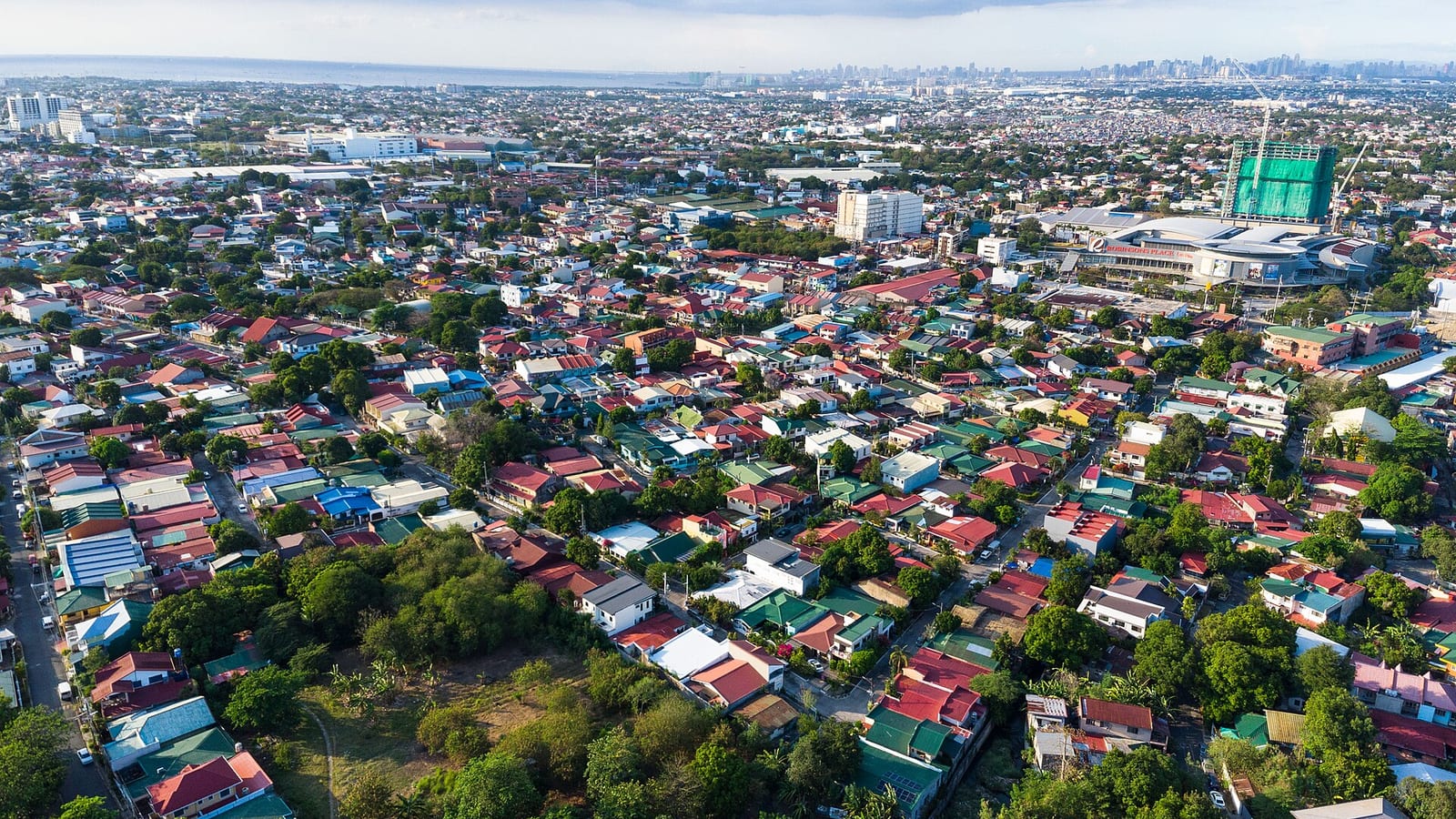
Why buy now
The Philippine real-estate market is entering 2026 with steady momentum. Population growth, infrastructure projects, and a strong overseas-Filipino remittance flow keep demand resilient even when interest rates wobble. For first-time buyers, OFWs returning home, and foreign investors looking at long-term plays, the question is no longer "should I buy" but "how do I buy safely".
Who can buy what
Philippine law restricts land ownership to Filipino citizens. Foreigners CAN, however, legally own:
- Condominium units: up to 40% of the units in any single building can be owned by non-Filipinos. This is the most common route for foreign buyers.
- Long-term land lease: up to 50 years, renewable for another 25.
- House structures: you can own the building on a leased lot.
- Through a Filipino spouse: land can be titled in the Filipino spouse's name.
Filipino citizens, including dual citizens and former Filipinos (under the Balikbayan provisions), have full land-ownership rights.
The 7 documents you'll need
- Transfer Certificate of Title (TCT) or Condominium Certificate of Title (CCT), the actual proof of ownership.
- Tax Declaration, the local government's record of the property for tax purposes.
- Latest real-property tax (amilyar) receipts, confirms the seller has no outstanding tax.
- Deed of Absolute Sale, the contract between buyer and seller, notarised.
- Certificate Authorising Registration (CAR) from the Bureau of Internal Revenue (BIR), confirms capital gains tax has been paid.
- Tax clearance from the city treasurer.
- Valid IDs of both parties.
A licensed broker or lawyer should review every one of these before money changes hands.
The cost beyond the sticker price
In addition to the purchase price, budget for:
- Capital Gains Tax (CGT): 6% of the selling price or zonal value, whichever is higher. Usually paid by the seller, but sometimes negotiated to the buyer.
- Documentary Stamp Tax (DST): 1.5%.
- Transfer Tax: 0.5% to 0.75% depending on the LGU.
- Registration Fee: ~0.25% of selling price.
- Notarial fee: 1 to 2% typical.
- Broker commission: 3 to 5% (usually paid by seller).
All in, expect to add 7 to 10% on top of the listed price for one-time transaction costs.
Common red flags
- Untitled land: "mother title" or unsegregated lots invite years of legal disputes.
- Price too good to be true: usually means there's a lien or boundary dispute.
- Seller refuses to meet at the property: verify physical access.
- Pressure to pay before due diligence: never wire money without seeing the TCT/CCT.
- No tax declaration: common for inherited properties; ask for the path to clean title before signing.
How financing works
Filipino banks offer home loans up to 80% LTV with terms up to 25 years. Interest rates in 2026 hover around 6 to 8% for prime borrowers. Pag-IBIG (the government housing fund) offers competitive rates for members earning under PHP 50,000 (about $800 / €689)/month.
For foreigners, financing options are limited, most foreign buyers pay cash or arrange international mortgage through their home country bank.
What to do next
- Get pre-approved if you need financing, knowing your budget shortens the search.
- Pick 2 to 3 cities based on lifestyle and price band, see our city guides for current price ranges.
- Engage a licensed broker, PRC-licensed brokers are vetted; ask for the PRC ID.
- Always inspect in person, a video tour can't show subsidence, neighbour noise, or street access at peak hours.
- Use an escrow account, never wire funds directly to the seller.
Browse verified listings on BalayHub to see what your budget gets you across the Philippines.
Dollar and euro figures are approximate conversions at ₱62.5 per US dollar and ₱72.6 per euro (ECB reference rates, 2026-09-08).
Frequently asked questions
What documents do I need to buy property in the Philippines?
Seven core documents: the Transfer Certificate of Title or Condominium Certificate of Title, the Tax Declaration, the latest real property tax receipts, the notarized Deed of Absolute Sale, the Certificate Authorising Registration from the BIR, a tax clearance from the city treasurer, and valid IDs of both parties. A licensed broker or lawyer should review every one before money changes hands.
How much should I budget on top of the purchase price?
Expect to add 7 to 10 percent for one-time transaction costs. That covers capital gains tax of 6 percent (usually the seller's), documentary stamp tax of 1.5 percent, transfer tax of 0.5 to 0.75 percent, a registration fee of about 0.25 percent, and notarial fees of 1 to 2 percent. Broker commission of 3 to 5 percent is usually paid by the seller.
How does home financing work in the Philippines in 2026?
Filipino banks lend up to 80 percent of the property value with terms up to 25 years, and rates in 2026 hover around 6 to 8 percent for prime borrowers. Pag-IBIG, the government housing fund, offers competitive rates for members earning under PHP 50,000 (about $800 / €689) per month. Foreigners have limited options and mostly pay cash or arrange a mortgage through their home country bank.
What are the biggest red flags when buying Philippine property?
Watch for untitled land sold under a mother title, prices too good to be true, a seller who refuses to meet at the property, pressure to pay before due diligence, and missing tax declarations, which are common with inherited properties. Never wire money without seeing the TCT or CCT, and use an escrow account rather than paying the seller directly.
Bakit bumili ngayon
Pumapasok ang Philippine real-estate market sa 2026 nang may steady na momentum. Ang population growth, mga infrastructure project, at ang malakas na daloy ng remittance mula sa mga overseas Filipino ang nagpapanatiling resilient ng demand kahit umuuga ang interest rates. Para sa mga first-time buyer, mga OFW na uuwi na, at mga foreign investor na nakatingin sa long-term play, ang tanong ay hindi na "dapat ba akong bumili" kundi "paano ako bibili nang ligtas".
Sino ang puwedeng bumili ng ano
Nililimitahan ng batas ng Pilipinas ang pagmamay-ari ng lupa sa mga Filipino citizen. Ang mga foreigner, gayunpaman, ay LEGAL na puwedeng magmay-ari ng:
- Condominium units: hanggang 40% ng mga unit sa iisang building ang puwedeng pag-aari ng mga hindi Pilipino. Ito ang pinakakaraniwang ruta para sa mga foreign buyer.
- Long-term land lease: hanggang 50 years, renewable ng karagdagang 25.
- House structures: puwede kang magmay-ari ng building sa inuupahang lote.
- Sa pamamagitan ng Filipino spouse: ang lupa ay puwedeng i-title sa pangalan ng Filipino spouse.
Ang mga Filipino citizen, kasama ang mga dual citizen at dating Pilipino (sa ilalim ng Balikbayan provisions), ay may buong karapatan sa pagmamay-ari ng lupa.
Ang 7 dokumentong kakailanganin mo
- Transfer Certificate of Title (TCT) o Condominium Certificate of Title (CCT), ang aktuwal na patunay ng pagmamay-ari.
- Tax Declaration, ang record ng local government sa property para sa tax purposes.
- Pinakabagong real-property tax (amilyar) receipts, kumukumpirma na walang outstanding na buwis ang seller.
- Deed of Absolute Sale, ang kontrata sa pagitan ng buyer at seller, notarised.
- Certificate Authorising Registration (CAR) mula sa Bureau of Internal Revenue (BIR), kumukumpirma na bayad na ang capital gains tax.
- Tax clearance mula sa city treasurer.
- Valid IDs ng parehong partido.
Dapat i-review ng licensed broker o abogado ang bawat isa sa mga ito bago magpalitan ng pera.
Ang gastos lampas sa sticker price
Bukod sa purchase price, mag-budget para sa:
- Capital Gains Tax (CGT): 6% ng selling price o zonal value, alinman ang mas mataas. Kadalasang binabayaran ng seller, pero minsan naine-negotiate sa buyer.
- Documentary Stamp Tax (DST): 1.5%.
- Transfer Tax: 0.5% to 0.75% depende sa LGU.
- Registration Fee: ~0.25% ng selling price.
- Notarial fee: 1 to 2% ang karaniwan.
- Broker commission: 3 to 5% (kadalasang binabayaran ng seller).
Sa kabuuan, asahan mong may madadagdag na 7 to 10% sa listed price para sa mga one-time transaction cost.
Mga karaniwang red flag
- Untitled land: ang "mother title" o mga unsegregated na lote ay nag-iimbita ng ilang taong legal dispute.
- Presyong too good to be true: kadalasang ibig sabihin ay may lien o boundary dispute.
- Ayaw ng seller na magkita sa mismong property: i-verify ang physical access.
- Pressure na magbayad bago ang due diligence: huwag kailanman magpadala ng pera nang hindi nakikita ang TCT/CCT.
- Walang tax declaration: karaniwan sa mga minanang property; hingin ang daan patungo sa clean title bago pumirma.
Paano gumagana ang financing
Nag-aalok ang mga bangko sa Pilipinas ng home loan hanggang 80% LTV na may term hanggang 25 years. Ang interest rates sa 2026 ay umiikot sa 6 to 8% para sa mga prime borrower. Ang Pag-IBIG (ang government housing fund) ay may competitive rates para sa mga member na kumikita ng mas mababa sa PHP 50,000 (mga $800 / €689)/month.
Para sa mga foreigner, limitado ang mga financing option, karamihan ng foreign buyer ay nagbabayad ng cash o nag-aayos ng international mortgage sa pamamagitan ng bangko sa sarili nilang bansa.
Ano ang susunod na gagawin
- Magpa-pre-approve kung kailangan mo ng financing, pinapaikli ng alam mong budget ang paghahanap.
- Pumili ng 2 to 3 cities batay sa lifestyle at price band, tingnan ang aming city guides para sa mga kasalukuyang price range.
- Kumuha ng licensed broker, ang mga PRC-licensed broker ay vetted; hingin ang PRC ID.
- Laging mag-inspect nang personal, hindi maipapakita ng video tour ang subsidence, ingay ng kapitbahay, o street access sa peak hours.
- Gumamit ng escrow account, huwag kailanman magpadala ng pondo nang direkta sa seller.
Mag-browse ng mga verified listing sa BalayHub para makita kung ano ang kaya ng budget mo sa buong Pilipinas.
Tinatayang conversion lang ang mga halaga sa dollar at euro, sa ₱62.5 kada US dollar at ₱72.6 kada euro (ECB reference rates, 2026-09-08).
Mga madalas itanong
Anong mga dokumento ang kailangan ko para bumili ng property sa Pilipinas?
Pitong core documents: ang Transfer Certificate of Title o Condominium Certificate of Title, ang Tax Declaration, ang latest na real property tax receipts, ang notarized na Deed of Absolute Sale, ang Certificate Authorising Registration mula sa BIR, tax clearance mula sa city treasurer, at valid IDs ng dalawang partido. Dapat i-review lahat ng ito ng licensed broker o abogado bago ka magbayad ng kahit ano.
Magkano ang dapat kong i-budget on top ng purchase price?
Mag-expect ng dagdag na 7 hanggang 10 percent para sa one-time transaction costs. Kasama diyan ang capital gains tax na 6 percent (kadalasan sa seller), documentary stamp tax na 1.5 percent, transfer tax na 0.5 hanggang 0.75 percent, registration fee na mga 0.25 percent, at notarial fees na 1 hanggang 2 percent. Ang broker commission na 3 hanggang 5 percent ay kadalasang binabayaran ng seller.
Paano gumagana ang home financing sa Pilipinas sa 2026?
Nagpapautang ang mga Filipino bank hanggang 80 percent ng property value na may terms hanggang 25 years, at ang rates sa 2026 ay umiikot sa 6 hanggang 8 percent para sa prime borrowers. Ang Pag-IBIG, ang government housing fund, ay may competitive rates para sa members na kumikita ng below PHP 50,000 (mga $800 / €689) per month. Limitado ang options ng mga foreigner at kadalasan cash sila o nag-a-arrange ng mortgage sa bangko sa sarili nilang bansa.
Ano ang pinakamalalaking red flags pag bumibili ng Philippine property?
Mag-ingat sa untitled land na binebenta under a mother title, presyong too good to be true, seller na ayaw makipagkita sa mismong property, pressure na magbayad bago matapos ang due diligence, at walang tax declarations, na common sa mga inherited na property. Huwag na huwag magpapadala ng pera nang hindi mo nakikita ang TCT o CCT, at gumamit ng escrow account imbes na direktang magbayad sa seller.
Nganong mopalit karon
Mosulod ang Philippine real-estate market sa 2026 nga adunay steady nga momentum. Ang population growth, mga infrastructure project, ug ang kusog nga dagan sa remittance gikan sa mga overseas Filipino ang nagpabilin nga resilient sa demand bisan mag-uyog ang interest rates. Para sa mga first-time buyer, mga OFW nga mopauli na, ug mga foreign investor nga nagtan-aw sa long-term play, ang pangutana dili na "mopalit ba ko" kondili "unsaon nako pagpalit nga luwas".
Kinsa ang makapalit og unsa
Ginalimitahan sa balaod sa Pilipinas ang pagpanag-iya og yuta ngadto sa mga Filipino citizen. Ang mga foreigner, bisan pa niana, LEGAL nga makapanag-iya og:
- Condominium units: hangtod 40% sa mga unit sa usa ka building ang mahimong panag-iyahon sa mga dili Pilipino. Mao kini ang pinakakomon nga ruta para sa mga foreign buyer.
- Long-term land lease: hangtod 50 years, renewable og dugang 25.
- House structures: mahimo kang manag-iya sa building sa gi-lease nga lote.
- Pinaagi sa Filipino spouse: ang yuta mahimong i-title sa ngalan sa Filipino spouse.
Ang mga Filipino citizen, apil ang mga dual citizen ug kanhi Pilipino (ubos sa Balikbayan provisions), adunay bug-os nga katungod sa pagpanag-iya og yuta.
Ang 7 ka dokumento nga imong kinahanglanon
- Transfer Certificate of Title (TCT) o Condominium Certificate of Title (CCT), ang aktuwal nga pruweba sa pagpanag-iya.
- Tax Declaration, ang record sa local government sa property para sa tax purposes.
- Pinakabag-o nga real-property tax (amilyar) receipts, mokumpirma nga walay outstanding nga buhis ang seller.
- Deed of Absolute Sale, ang kontrata tali sa buyer ug seller, notarised.
- Certificate Authorising Registration (CAR) gikan sa Bureau of Internal Revenue (BIR), mokumpirma nga bayad na ang capital gains tax.
- Tax clearance gikan sa city treasurer.
- Valid IDs sa duha ka partido.
Kinahanglan i-review sa licensed broker o abogado ang matag usa niini sa dili pa magbayloay og kwarta.
Ang gasto lapas sa sticker price
Gawas sa purchase price, pag-budget para sa:
- Capital Gains Tax (CGT): 6% sa selling price o zonal value, kung asa ang mas taas. Kasagaran bayran sa seller, apan usahay ma-negotiate ngadto sa buyer.
- Documentary Stamp Tax (DST): 1.5%.
- Transfer Tax: 0.5% to 0.75% depende sa LGU.
- Registration Fee: ~0.25% sa selling price.
- Notarial fee: 1 to 2% ang naandan.
- Broker commission: 3 to 5% (kasagaran bayran sa seller).
Sa kinatibuk-an, paabota nga adunay madugang nga 7 to 10% ibabaw sa listed price para sa mga one-time transaction cost.
Mga komon nga red flag
- Untitled land: ang "mother title" o mga unsegregated nga lote modapit og daghang tuig nga legal dispute.
- Presyo nga too good to be true: kasagaran nagpasabot nga adunay lien o boundary dispute.
- Dili mosugot ang seller nga magkita sa mismong property: i-verify ang physical access.
- Pressure nga mobayad una pa ang due diligence: ayaw gyud pagpadala og kwarta nga wala makita ang TCT/CCT.
- Walay tax declaration: komon sa mga napanunod nga property; pangayoa ang dalan padulong sa clean title sa dili pa mopirma.
Giunsa pag-work ang financing
Nagtanyag ang mga bangko sa Pilipinas og home loan hangtod 80% LTV nga adunay term hangtod 25 years. Ang interest rates sa 2026 nagtuyok sa 6 to 8% para sa mga prime borrower. Ang Pag-IBIG (ang government housing fund) adunay competitive rates para sa mga member nga mokita og ubos sa PHP 50,000 (mga $800 / €689)/month.
Para sa mga foreigner, limitado ang mga financing option, kadaghanan sa mga foreign buyer mobayad og cash o mo-areglo og international mortgage pinaagi sa bangko sa ilang kaugalingong nasod.
Unsay sunod nga buhaton
- Pagpa-pre-approve kung nagkinahanglan ka og financing, ang pagkahibalo sa imong budget mopamubo sa pagpangita.
- Pagpili og 2 to 3 cities base sa lifestyle ug price band, tan-awa ang among city guides para sa mga karon nga price range.
- Pagkuha og licensed broker, ang mga PRC-licensed broker vetted; pangayoa ang PRC ID.
- Kanunay mag-inspect nga personal, dili mapakita sa video tour ang subsidence, saba sa silingan, o street access sa peak hours.
- Paggamit og escrow account, ayaw gyud pagpadala og pondo nga direkta sa seller.
Pag-browse og mga verified listing sa BalayHub aron makita kung unsay makaya sa imong budget sa tibuok Pilipinas.
Banabana lang ang mga conversion sa dollar ug euro, sa ₱62.5 matag US dollar ug ₱72.6 matag euro (ECB reference rates, 2026-09-08).
Mga kasagarang pangutana
Unsa nga mga dokumento ang kinahanglan nako aron makapalit og property sa Pilipinas?
Pito ka core documents: ang Transfer Certificate of Title o Condominium Certificate of Title, ang Tax Declaration, ang pinakabag-o nga real property tax receipts, ang notarized nga Deed of Absolute Sale, ang Certificate Authorising Registration gikan sa BIR, tax clearance gikan sa city treasurer, ug valid IDs sa duha ka partido. Kinahanglan nga susihon kini tanan sa licensed broker o abogado una ka mobayad og bisan unsa.
Pila ang akong i-budget labaw sa purchase price?
Pag-expect og dugang nga 7 hangtod 10 percent para sa one-time transaction costs. Apil na diha ang capital gains tax nga 6 percent (kasagaran sa seller), documentary stamp tax nga 1.5 percent, transfer tax nga 0.5 hangtod 0.75 percent, registration fee nga mga 0.25 percent, ug notarial fees nga 1 hangtod 2 percent. Ang broker commission nga 3 hangtod 5 percent kasagaran bayran sa seller.
Giunsa pagdagan ang home financing sa Pilipinas karong 2026?
Ang mga Filipino bank mopahulam hangtod 80 percent sa property value nga adunay terms hangtod 25 years, ug ang rates sa 2026 anaa sa mga 6 hangtod 8 percent para sa prime borrowers. Ang Pag-IBIG, ang government housing fund, adunay competitive rates para sa members nga mokita og ubos sa PHP 50,000 (mga $800 / €689) per month. Limitado ang options sa mga foreigner ug kasagaran cash sila o mag-arrange og mortgage pinaagi sa bangko sa ilang kaugalingong nasod.
Unsa ang pinakadagko nga red flags kung mopalit og Philippine property?
Pagbantay sa untitled land nga gibaligya ubos sa mother title, presyo nga too good to be true, seller nga dili gustong magkita sa mismong property, pressure nga mobayad una pa mahuman ang due diligence, ug walay tax declarations, nga komon sa mga inherited nga property. Ayaw gyud pagpadala og kwarta nga wala nimo makita ang TCT o CCT, ug gamita ang escrow account imbes nga direktang mobayad sa seller.
Browse properties on BalayHub
See all listings →
Read next
Condo Investment for Foreigners in the Philippines: the Math
Condo investment for foreigners in the Philippines: gross yields from 4.3% in Pasig to 11.9% in Davao, the 25% tax on non resident rent, and the 40% cap.
How to Check a TCT Online in the Philippines (LRA eSerbisyo)
How to check a TCT online through LRA eSerbisyo: the request step by step, fees from ₱644.97, delivery in 3 to 7 working days, reading the certified copy.
Beachfront Property in the Philippines: Rules and Prices
Beachfront property in the Philippines: the 20 meter no build easement, why the beach cannot be titled, lot prices from ₱2,500 to ₱30,000 per sqm.