
May 2, 2026 · by BalayHub Admin · 5 min read
Why the Philippines Is Attracting More Foreign Property Investors
Foreign investment in Philippine property has been climbing. What is drawing international buyers, and what are the rules they need to know?
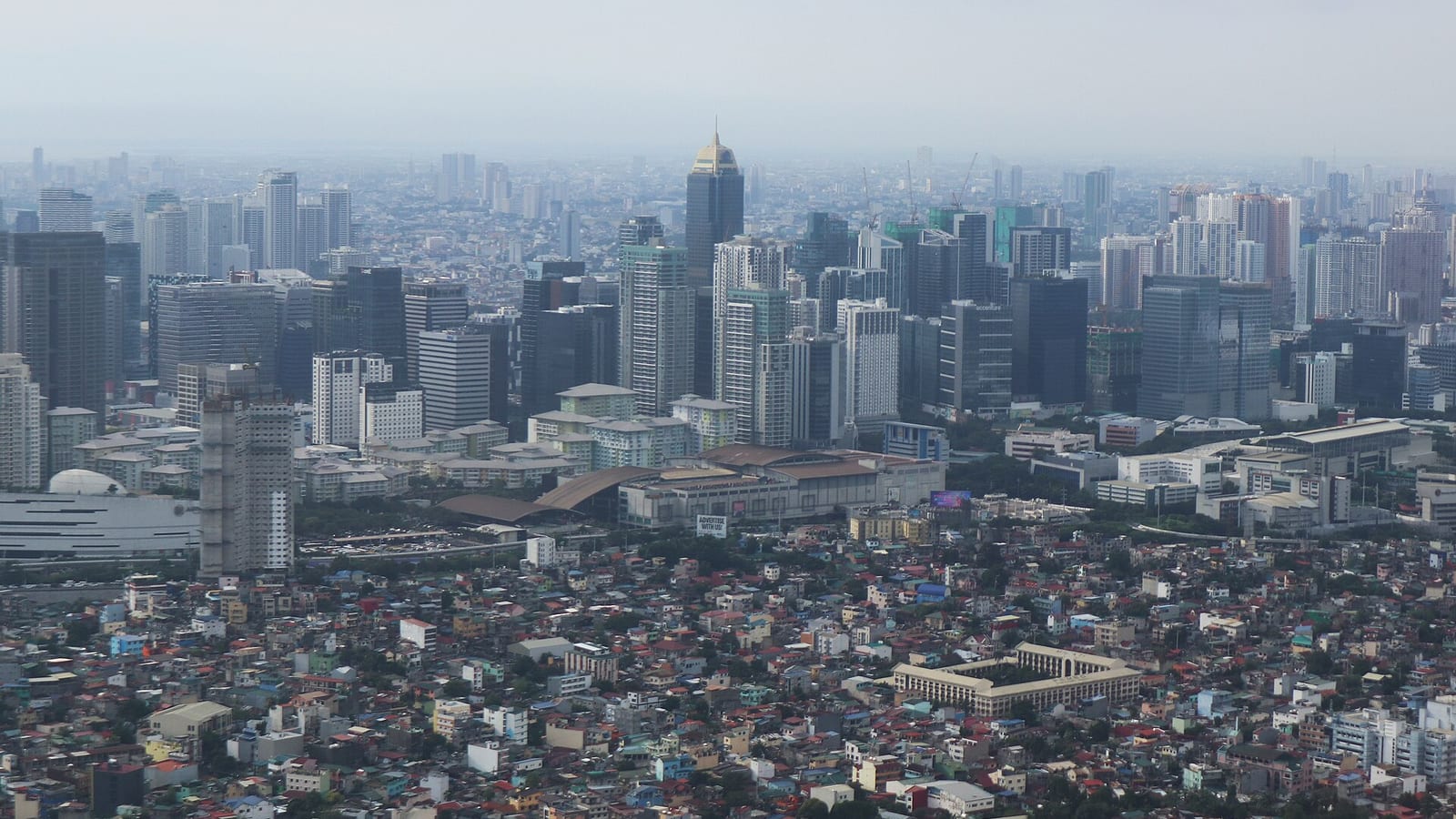
Walk through any condo showroom in BGC, Cebu, or Clark and you will hear conversations in Korean, Chinese, Japanese, and English with accents from everywhere. Foreign interest in Philippine property has been building for years, and 2025 to 2026 has seen a noticeable pickup. What is going on?
The pull factors
The most obvious one is price. A one-bedroom condo in Makati or BGC costs 150,000 to 250,000 US dollars, depending on size and developer. For that money, you would get a parking space in Hong Kong or a closet in Singapore. For buyers from Northeast Asia, the Philippines offers genuine value.
Then there is yield. Rental returns in Metro Manila and Cebu run 5 to 8 percent gross, which beats most of Southeast Asia. Bangkok, Kuala Lumpur, and Ho Chi Minh City have all seen yields compress as prices rose faster than rents. The Philippines still has room.
The demographics help too. The Philippines has a young, growing population, median age around 25, and urbanization is accelerating. More people moving to cities means more demand for housing, offices, and commercial space. Investors like that trajectory.
English proficiency is another draw. The Philippines is the third-largest English-speaking country in the world, which makes transactions, legal documents, and everyday communication much simpler for international buyers than in most of the region.
What foreigners can and cannot buy
Philippine law restricts foreign ownership of land. That is the single most important rule for any international buyer to understand. You cannot own a house and lot as a foreigner, period. However, there are several things you can do.
Condominiums. Foreigners can own condo units outright, as long as the foreign ownership in the entire condo project does not exceed 40 percent. Most major developments have not hit that cap, but it is worth checking before you commit. This is the most popular route for foreign investors.
Long-term lease. You can lease land for up to 50 years, renewable for another 25. Some foreigners build houses on leased land, though this involves risk, you own the structure but not the ground beneath it.
Filipino spouse. If you are married to a Filipino citizen, the property can be registered in your spouse's name. Many mixed couples go this route for house-and-lot purchases.
Corporation. A corporation that is at least 60 percent Filipino-owned can buy land. Some foreign investors set up companies with Filipino partners, though this structure has its own risks and complexities. Get good legal advice before going down this path.
The Korean connection
South Koreans are by far the largest group of foreign property buyers in the Philippines. The connection goes back decades, the Philippines is a popular English-study destination for Korean students, and many Korean businesses operate in the country. Areas like Angeles City (near Clark), Cebu, and parts of Metro Manila have significant Korean communities.
Korean buying patterns tend to focus on condos in the 3 to 8 million peso range, studios and one-bedrooms that can be rented out or used during visits. The Korean won has weakened against the peso in recent years, which has slowed some buying, but demand remains strong overall.
Chinese and Japanese buyers
Chinese investors tend to focus on higher-end properties and often buy multiple units in a single project. BGC and the Entertainment City area in Pasay have attracted significant Chinese capital. Some of this is linked to the POGO industry, which the government has been cracking down on, so the dynamics are shifting.
Japanese interest is newer but growing, partly driven by the weak yen making overseas assets attractive, and partly by the growing number of Japanese retirees exploring Southeast Asian destinations. The Japan-Philippines partnership on infrastructure projects has also raised the country's profile in Japan.
Practical tips for foreign buyers
Work with a lawyer. Not a real estate agent, not a friend of a friend, an actual property lawyer who specializes in transactions involving foreign nationals. The legal landscape has specific rules about what foreigners can own, and making a mistake can mean losing your entire investment.
Open a Philippine bank account. You will need one for property-related payments and eventual rental income. Most major banks will open accounts for foreigners with a valid passport and proof of address.
Understand the tax implications. As a foreign property owner, you are subject to Philippine taxes on rental income and capital gains. You may also have tax obligations in your home country. Double taxation treaties exist between the Philippines and many countries, check whether yours is covered.
Visit before you buy. This should be obvious, but some foreign buyers purchase units off-plan based solely on brochures and agent presentations. The Philippines is a beautiful country, but the gap between marketing materials and reality can be wide. Spend a week in the city where you plan to buy. Walk the neighborhood. Talk to other foreigners who own property there.
The outlook
Barring a major economic shock, foreign investment in Philippine property is likely to keep growing. The country's demographics, English proficiency, and relatively low prices compared to regional peers create a solid foundation. The government's infrastructure push, new airports, railways, highways, is gradually solving the connectivity problem that has historically held back the market.
The Philippines is not a get-rich-quick property market. But for patient investors who do their homework and play by the rules, it offers something increasingly rare in Asia: genuine value with upside.
Frequently asked questions
Why are foreign investors buying Philippine property?
Price and yield lead the list. A one-bedroom condo in Makati or BGC costs 150,000 to 250,000 US dollars, money that barely buys a parking space in Hong Kong, and gross rental returns of 5 to 8 percent beat most of Southeast Asia. A young population with a median age around 25, accelerating urbanization, and widespread English proficiency round out the case.
Which nationalities buy the most property in the Philippines?
South Koreans are by far the largest group, typically buying condos in the 3 to 8 million peso range in areas like Angeles City near Clark, Cebu, and Metro Manila. Chinese investors focus on higher-end properties, often multiple units in BGC and the Entertainment City area in Pasay. Japanese interest is newer but growing, driven partly by the weak yen and retirees exploring Southeast Asia.
What can a foreigner legally buy in the Philippines?
Condo units outright, as long as foreign ownership in the whole project stays under 40 percent, which is the most popular route. Alternatives are leasing land for up to 50 years renewable for 25, registering property in a Filipino spouse's name, or buying land through a corporation that is at least 60 percent Filipino-owned. Foreigners cannot own a house and lot in their own name, period.
What practical steps should a foreign buyer take before purchasing?
Hire an actual property lawyer who specializes in transactions with foreign nationals, not just an agent, because ownership mistakes can cost you the entire investment. Open a Philippine bank account for payments and rental income, and check whether a double taxation treaty covers your home country. Above all, visit before you buy: spend a week in the city, walk the neighborhood, and talk to other foreign owners rather than trusting brochures.
Dumaan ka lang sa kahit anong condo showroom sa BGC, Cebu, o Clark at maririnig mo ang mga usapan sa Korean, Chinese, Japanese, at English na may iba't ibang accent mula sa iba't ibang bansa. Ilang taon nang tumitindi ang interes ng mga foreigner sa Philippine property, at kapansin-pansin ang pag-angat nito noong 2025 hanggang 2026. Ano ba talaga ang nangyayari?
Ang mga pull factor
Ang pinaka-obvious ay ang presyo. Ang one-bedroom condo sa Makati o BGC ay nasa 150,000 to 250,000 US dollars, depende sa laki at developer. Sa ganyang halaga, parking space lang ang makukuha mo sa Hong Kong o isang maliit na closet sa Singapore. Para sa mga buyer mula sa Northeast Asia, totoong sulit ang alok ng Pilipinas.
Sunod ay ang yield. Ang rental returns sa Metro Manila at Cebu ay umaabot ng 5 to 8 percent gross, na mas mataas kaysa sa karamihan ng Southeast Asia. Sa Bangkok, Kuala Lumpur, at Ho Chi Minh City, humina na ang yields dahil mas mabilis tumaas ang presyo kaysa sa renta. May puwang pa ang Pilipinas.
Nakakatulong din ang demographics. Bata at lumalaki ang populasyon ng Pilipinas, nasa 25 ang median age, at bumibilis ang urbanization. Mas maraming tao ang lumilipat sa mga siyudad, kaya mas malaki ang demand para sa pabahay, opisina, at commercial space. Gusto ng mga investor ang ganitong trajectory.
Isa pang bentahe ang English proficiency. Ang Pilipinas ang third-largest English-speaking country sa buong mundo, kaya mas simple ang mga transaksyon, legal na dokumento, at pang-araw-araw na komunikasyon para sa mga international buyer kumpara sa karamihan ng mga bansa sa rehiyon.
Ano ang puwede at hindi puwedeng bilhin ng foreigner
Nililimitahan ng batas ng Pilipinas ang foreign ownership ng lupa. Ito ang pinakaimportanteng patakaran na dapat maintindihan ng kahit sinong international buyer. Hindi ka puwedeng magmay-ari ng house and lot bilang foreigner, wala nang pero-pero diyan. Pero may ilang paraan na puwede mong gawin.
Condominium. Puwedeng bumili ang foreigner ng condo unit nang buo, basta hindi lalampas sa 40 percent ang foreign ownership sa buong condo project. Karamihan ng malalaking development ay hindi pa umaabot sa cap na iyan, pero mabuting i-check muna bago ka mag-commit. Ito ang pinakasikat na ruta para sa mga foreign investor.
Long-term lease. Puwede kang mag-lease ng lupa nang hanggang 50 years, renewable pa ng another 25. May mga foreigner na nagpapatayo ng bahay sa leased land, pero may risk ito, ikaw ang may-ari ng structure pero hindi ng lupa sa ilalim nito.
Filipino spouse. Kung kasal ka sa isang Filipino citizen, puwedeng iparehistro ang property sa pangalan ng asawa mo. Maraming mixed couple ang dumadaan sa rutang ito para sa mga house-and-lot purchase.
Corporation. Puwedeng bumili ng lupa ang isang corporation na at least 60 percent Filipino-owned. May mga foreign investor na nagtatayo ng kumpanya kasama ang mga Filipino partner, pero may sariling risks at komplikasyon ang structure na ito. Kumuha ng magandang legal advice bago mo tahakin ang landas na ito.
Ang Korean connection
Ang mga South Korean ang pinakamalaking grupo ng foreign property buyers sa Pilipinas, malayo ang agwat nila sa iba. Ilang dekada na ang koneksyong ito, sikat na English-study destination ang Pilipinas para sa mga Korean student, at maraming Korean business ang nag-o-operate sa bansa. May malalaking Korean community sa mga lugar tulad ng Angeles City (malapit sa Clark), Cebu, at ilang bahagi ng Metro Manila.
Ang buying pattern ng mga Korean ay karaniwang nakatuon sa mga condo sa 3 to 8 million peso range, mga studio at one-bedroom na puwedeng paupahan o gamitin tuwing bumibisita. Humina ang Korean won laban sa piso nitong mga nakaraang taon, kaya bumagal nang kaunti ang pagbili, pero sa kabuuan ay matatag pa rin ang demand.
Mga Chinese at Japanese buyer
Ang mga Chinese investor ay karaniwang nakatuon sa mga higher-end property at madalas bumibili ng maraming unit sa iisang project. Ang BGC at ang Entertainment City area sa Pasay ay nakahatak ng malaking Chinese capital. Ang ilan dito ay konektado sa POGO industry, na hinihigpitan na ng gobyerno, kaya nagbabago ang dynamics.
Mas bago pero lumalaki ang interes ng mga Japanese, bahagyang dahil sa mahinang yen na ginagawang attractive ang overseas assets, at bahagyang dahil sa dumaraming Japanese retiree na nag-e-explore ng mga destinasyon sa Southeast Asia. Ang partnership ng Japan at Pilipinas sa mga infrastructure project ay nakapagpataas din ng profile ng bansa sa Japan.
Mga praktikal na tip para sa mga foreign buyer
Makipagtrabaho sa isang abogado. Hindi real estate agent, hindi kaibigan ng kaibigan, kundi tunay na property lawyer na dalubhasa sa mga transaksyong may kinalaman sa mga foreign national. May mga espesipikong patakaran ang batas tungkol sa kung ano ang puwedeng ariin ng foreigner, at ang isang pagkakamali ay puwedeng mangahulugan ng pagkawala ng buong investment mo.
Magbukas ng Philippine bank account. Kakailanganin mo ito para sa mga property-related payment at sa magiging rental income mo balang araw. Karamihan ng malalaking bangko ay nagbubukas ng account para sa mga foreigner na may valid passport at proof of address.
Intindihin ang tax implications. Bilang foreign property owner, sakop ka ng Philippine taxes sa rental income at capital gains. Puwede ka ring may tax obligations sa sarili mong bansa. May mga double taxation treaty ang Pilipinas sa maraming bansa, alamin kung kasama ang sa iyo.
Bumisita muna bago bumili. Dapat obvious na ito, pero may mga foreign buyer na bumibili ng mga unit nang off-plan base lang sa mga brochure at presentasyon ng agent. Maganda ang Pilipinas, pero puwedeng malaki ang agwat sa pagitan ng marketing materials at ng realidad. Gumugol ng isang linggo sa siyudad kung saan mo planong bumili. Lakarin ang neighborhood. Kausapin ang ibang foreigner na may property doon.
Ang outlook
Maliban na lang kung may malaking economic shock, malamang na patuloy na lalago ang foreign investment sa Philippine property. Ang demographics ng bansa, ang English proficiency, at ang medyo mababang presyo kumpara sa mga karatig-bansa ay bumubuo ng matibay na pundasyon. Ang infrastructure push ng gobyerno, mga bagong airport, riles, at highway, ay unti-unting nilulutas ang problema sa connectivity na matagal nang humahadlang sa merkado.
Ang Pilipinas ay hindi isang get-rich-quick na property market. Pero para sa mga matiyagang investor na gumagawa ng kanilang homework at sumusunod sa mga patakaran, may inaalok itong bihira nang makita sa Asia: tunay na value na may upside pa.
Mga madalas itanong
Bakit bumibili ng Philippine property ang mga foreign investor?
Presyo at yield ang nangunguna sa listahan. Ang one-bedroom condo sa Makati o BGC ay nagkakahalaga ng 150,000 to 250,000 US dollars, perang halos parking space lang ang mabibili sa Hong Kong, at ang gross rental returns na 5 to 8 percent ay talo ang karamihan ng Southeast Asia. Kumukumpleto sa kwento ang batang populasyon na may median age na mga 25, ang bumibilis na urbanization, at ang laganap na English proficiency.
Anong mga nationality ang pinakamaraming bumibili ng property sa Pilipinas?
Ang mga South Korean ang pinakamalaking grupo by far, karaniwang bumibili ng condos sa 3 to 8 million peso range sa mga lugar tulad ng Angeles City malapit sa Clark, Cebu, at Metro Manila. Ang mga Chinese investor ay naka-focus sa mga higher-end property, madalas maraming unit sa BGC at sa Entertainment City area sa Pasay. Mas bago pero lumalaki ang interes ng mga Japanese, dala ng mahinang yen at ng mga retiree na nag-e-explore ng Southeast Asia.
Ano ang legal na mabibili ng foreigner sa Pilipinas?
Condo units nang direkta, basta ang foreign ownership sa buong project ay mananatili sa ilalim ng 40 percent, at ito ang pinakasikat na ruta. Ang mga alternatibo ay ang pag-lease ng lupa nang hanggang 50 years na renewable for 25, ang pagpaparehistro ng property sa pangalan ng Filipino spouse, o ang pagbili ng lupa sa pamamagitan ng corporation na at least 60 percent Filipino-owned. Hindi pwedeng magmay-ari ang foreigner ng house and lot sa sarili niyang pangalan, period.
Anong mga praktikal na hakbang ang dapat gawin ng foreign buyer bago bumili?
Kumuha ng totoong property lawyer na specialist sa mga transaksyon with foreign nationals, hindi lang agent, dahil ang mga ownership mistake ay pwedeng ikawala ng buong investment. Magbukas ng Philippine bank account para sa payments at rental income, at i-check kung may double taxation treaty na sumasaklaw sa bansa mo. Higit sa lahat, bumisita bago bumili: mag-isang linggo sa city, lakarin ang neighborhood, at makipag-usap sa ibang foreign owners imbes na magtiwala sa brochures.
Suroya lang ang bisan unsang condo showroom sa BGC, Cebu, o Clark ug madunggan nimo ang mga panag-istorya sa Korean, Chinese, Japanese, ug English nga lain-lain ang accent gikan sa bisan asang dapit. Pila na ka tuig nga nagkakusog ang interes sa mga foreigner sa Philippine property, ug klaro kaayo ang pagsaka niini sukad 2025 to 2026. Unsa may nahitabo?
Ang mga pull factor
Ang pinaka-obvious mao ang presyo. Ang usa ka one-bedroom condo sa Makati o BGC nagkantidad og 150,000 to 250,000 US dollars, depende sa gidak-on ug sa developer. Sa maong kantidad, parking space ra ang imong makuha sa Hong Kong o usa ka gamayng closet sa Singapore. Para sa mga buyer gikan sa Northeast Asia, tinuod nga sulit ang Pilipinas.
Sunod ang yield. Ang rental returns sa Metro Manila ug Cebu moabot og 5 to 8 percent gross, nga mas taas kaysa kadaghanan sa Southeast Asia. Ang Bangkok, Kuala Lumpur, ug Ho Chi Minh City nag-antos na og mubo nga yields kay mas paspas misaka ang presyo kaysa abang. Ang Pilipinas naa pay luna.
Makatabang pud ang demographics. Batan-on ug nagkadaghan ang populasyon sa Pilipinas, mga 25 ang median age, ug nagkapaspas ang urbanization. Mas daghang tawo ang mobalhin sa mga siyudad, busa mas dako ang demand para sa balay, opisina, ug commercial space. Ganahan ang mga investor sa ingon ani nga trajectory.
Usa pa ka bentaha ang English proficiency. Ang Pilipinas mao ang third-largest English-speaking country sa tibuok kalibutan, mao nga mas sayon ang mga transaksyon, legal nga dokumento, ug adlaw-adlaw nga komunikasyon para sa mga international buyer kumpara sa kadaghanan sa rehiyon.
Unsa ang mahimo ug dili mahimong paliton sa foreigner
Gilimitahan sa balaod sa Pilipinas ang foreign ownership sa yuta. Mao ni ang pinakaimportanteng lagda nga kinahanglan masabtan sa bisan kinsang international buyer. Dili ka makapanag-iya og house and lot isip foreigner, wala nay lalis ana. Apan naa poy pipila ka pamaagi nga mahimo nimong buhaton.
Condominium. Makapalit ang foreigner og condo unit nga sila mismo ang tag-iya, basta dili molapas sa 40 percent ang foreign ownership sa tibuok condo project. Kadaghanan sa dagkong development wala pa makaabot anang cap, apan maayo nga susihon una sa dili ka pa mo-commit. Mao ni ang pinakasikat nga ruta para sa mga foreign investor.
Long-term lease. Mahimo kang mo-lease og yuta hangtod sa 50 years, renewable pa og another 25. Naay mga foreigner nga magpatukod og balay sa leased land, apan naa niy risk, ikaw ang tag-iya sa structure apan dili sa yuta ilawom niini.
Filipino spouse. Kung minyo ka og Filipino citizen, mahimong iparehistro ang property sa ngalan sa imong bana o asawa. Daghang mixed couple ang moagi ani nga ruta para sa mga house-and-lot purchase.
Corporation. Ang usa ka corporation nga at least 60 percent Filipino-owned makapalit og yuta. Naay mga foreign investor nga magtukod og kompanya kauban ang mga Filipino partner, apan naa poy kaugalingong risks ug komplikasyon kini nga structure. Pagkuha og maayong legal advice sa dili ka pa moagi ani nga dalan.
Ang Korean connection
Ang mga South Korean mao ang pinakadakong grupo sa foreign property buyers sa Pilipinas, layo ra kaayo ang uban. Pila na ka dekada kining koneksyon, sikat nga English-study destination ang Pilipinas para sa mga Korean student, ug daghang Korean business ang nag-operate sa nasod. Ang mga lugar sama sa Angeles City (duol sa Clark), Cebu, ug pipila ka bahin sa Metro Manila adunay dagkong Korean community.
Ang buying pattern sa mga Korean kasagaran nakapunting sa mga condo nga naa sa 3 to 8 million peso range, mga studio ug one-bedroom nga mahimong paabangan o gamiton panahon sa mga bisita nila. Mihuyang ang Korean won batok sa piso ning mga miaging tuig, mao nga mihinay og gamay ang pagpalit, apan sa kinatibuk-an kusog gihapon ang demand.
Mga Chinese ug Japanese buyer
Ang mga Chinese investor kasagaran nakapunting sa mga higher-end property ug sagad mopalit og daghang unit sa usa ra ka project. Ang BGC ug ang Entertainment City area sa Pasay nakadani og dakong Chinese capital. Ang uban niini konektado sa POGO industry, nga gipahugtan na sa gobyerno, mao nga nag-usab-usab ang dynamics.
Ang interes sa mga Japanese mas bag-o pa apan nagkadako, tungod sa huyang nga yen nga nakapahimong attractive sa overseas assets, ug tungod pud sa nagkadaghang Japanese retiree nga nag-explore sa mga destinasyon sa Southeast Asia. Ang partnership sa Japan ug Pilipinas sa mga infrastructure project nakapataas pud sa profile sa nasod didto sa Japan.
Praktikal nga mga tip para sa mga foreign buyer
Pagtrabaho uban sa abogado. Dili real estate agent, dili amigo sa amigo, kundili tinuod nga property lawyer nga eksperto sa mga transaksyon nga naglambigit og mga foreign national. Ang balaod adunay espesipikong mga lagda kung unsa ang mahimong panag-iyahon sa foreigner, ug ang usa ka sayop mahimong magpasabot og pagkawala sa tibuok nimong investment.
Pag-abli og Philippine bank account. Kinahanglanon nimo kini para sa mga property-related payment ug sa umaabot nga rental income. Kadaghanan sa dagkong bangko moabli og account para sa mga foreigner nga adunay valid passport ug proof of address.
Sabta ang tax implications. Isip foreign property owner, sakop ka sa Philippine taxes sa rental income ug capital gains. Basin naa pud kay tax obligations sa imong kaugalingong nasod. Adunay mga double taxation treaty ang Pilipinas sa daghang nasod, susiha kung apil ba ang imoha.
Bisita una sa dili ka pa mopalit. Angay untang obvious na kini, apan naay mga foreign buyer nga mopalit og mga unit nga off-plan base ra sa mga brochure ug presentasyon sa agent. Nindot ang Pilipinas, apan mahimong dako ang gintang tali sa marketing materials ug sa realidad. Paggahin og usa ka semana sa siyudad kung asa ka nagplanong mopalit. Baktasa ang neighborhood. Pakig-istorya sa ubang foreigner nga adunay property didto.
Ang outlook
Gawas kung adunay dakong economic shock, lagmit magpadayon sa pagtubo ang foreign investment sa Philippine property. Ang demographics sa nasod, ang English proficiency, ug ang medyo barato nga presyo kumpara sa mga silingang nasod naghatag og lig-on nga pundasyon. Ang infrastructure push sa gobyerno, mga bag-ong airport, riles, ug highway, hinay-hinay nga nagsulbad sa problema sa connectivity nga dugay nang nakapugong sa merkado.
Ang Pilipinas dili usa ka get-rich-quick nga property market. Apan para sa mga mapailubong investor nga mobuhat sa ilang homework ug mosunod sa mga lagda, adunay gitanyag kini nga talagsaon na karon sa Asia: tinuod nga value nga naa pay upside.
Mga kasagarang pangutana
Ngano mamalit og Philippine property ang mga foreign investor?
Presyo ug yield ang nag-una sa listahan. Ang one-bedroom condo sa Makati o BGC nagkantidad og 150,000 to 250,000 US dollars, kwarta nga halos parking space ra ang mapalit sa Hong Kong, ug ang gross rental returns nga 5 to 8 percent molupig sa kadaghanan sa Southeast Asia. Mokompleto sa istorya ang batan-on nga populasyon nga naay median age nga mga 25, ang nagkapaspas nga urbanization, ug ang kaylap nga English proficiency.
Unsang mga nationality ang pinakadaghan og palit sa property sa Pilipinas?
Ang mga South Korean ang pinakadako nga grupo by far, kasagaran mopalit og condos sa 3 to 8 million peso range sa mga lugar sama sa Angeles City duol sa Clark, Cebu, ug Metro Manila. Ang mga Chinese investor naka-focus sa mga higher-end nga property, sagad daghang unit sa BGC ug sa Entertainment City area sa Pasay. Mas bag-o pero nagkadako ang interes sa mga Japanese, tungod sa huyang nga yen ug sa mga retiree nga nag-explore sa Southeast Asia.
Unsa ang legal nga mapalit sa usa ka foreigner sa Pilipinas?
Condo units nga direkta, basta ang foreign ownership sa tibuok project magpabilin ubos sa 40 percent, ug kini ang pinakasikat nga ruta. Ang mga alternatibo kay ang pag-lease og yuta hangtod 50 years nga renewable for 25, ang pagparehistro sa property sa ngalan sa Filipino spouse, o ang pagpalit og yuta pinaagi sa corporation nga at least 60 percent Filipino-owned. Dili mahimong manag-iya ang foreigner og house and lot sa iyang kaugalingong ngalan, period.
Unsang mga praktikal nga lakang ang angay buhaton sa foreign buyer una mopalit?
Pagkuha og tinuod nga property lawyer nga specialist sa mga transaksyon with foreign nationals, dili lang agent, kay ang mga ownership mistake mahimong makawala sa tibuok investment. Pag-abri og Philippine bank account para sa payments ug rental income, ug i-check kung naay double taxation treaty nga mocover sa imong nasod. Labaw sa tanan, bisita una mopalit: pabilin og usa ka semana sa siyudad, baktasa ang neighborhood, ug pakigsulti sa ubang foreign owners imbes nga mosalig sa brochures.
Browse properties on BalayHub
See all listings →
Read next
High-Rise vs Mid-Rise Condo in the Philippines: Which to Buy
High rise vs mid rise condo in the Philippines: the 15 meter Fire Code line, why dues climb with height, quake and flood behavior, and who each suits.
House Construction Cost per Square Meter Philippines 2026
House construction cost per square meter in the Philippines 2026: ₱28,000 basic to ₱75,000 high end, what the rate excludes, and a full 100 sqm budget.
Lapu-Lapu Condos and Houses: Buy or Rent in Mactan (2026)
Lapu-Lapu condos for rent at a ₱30,000 median, houses from ₱1.9M and resort units to ₱8.5M: Mactan Newtown, Punta Engaño, Maribago and Basak compared.