
May 2, 2026 · by BalayHub Admin · 3 min read
Philippine Real Estate Market Outlook 2026: Trends and Predictions
What does the rest of 2026 hold for property buyers, sellers and investors across the Philippines? We dig into the numbers and talk to industry insiders.
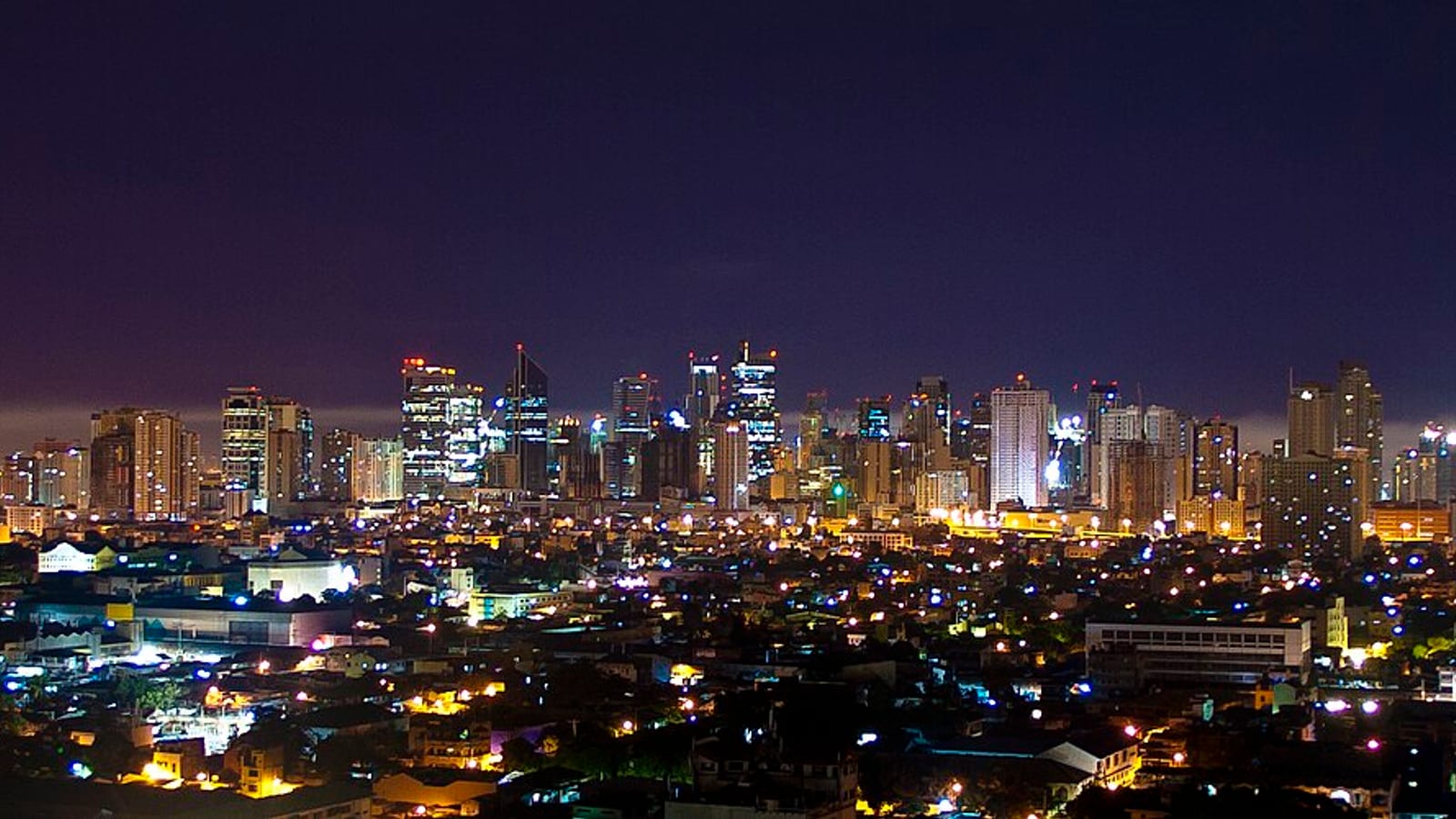
The Philippine property market had a bumpy ride through 2024 and most of 2025. Interest rates stayed stubbornly high, inventory piled up in some Metro Manila corridors, and plenty of would-be buyers decided to sit on the sidelines. But something shifted toward the tail end of last year, and the momentum has carried into 2026.
Rates are finally coming down
The Bangko Sentral ng Pilipinas started cutting its benchmark rate in late 2025 after inflation cooled below the 4 percent target for three consecutive quarters. That single change has done more to move the market than any government housing program in recent memory. Developers we spoke to in Makati and BGC say foot traffic at showrooms picked up almost immediately.
Lower borrowing costs translate directly into cheaper monthly amortizations, obviously. But there is a second-order effect that people tend to miss: when rates drop, appraisers use lower cap rates, which pushes property valuations up. Sellers who were underwater start listing again, and banks loosen lending standards. The whole machine starts turning.
Where the demand is going
Metro Manila remains the center of gravity, but it is no longer the whole story. Clark, Cebu, and Davao have been steadily pulling in infrastructure spending, BPO offices, and, importantly, the kind of retail and dining ecosystems that make a city livable rather than just workable.
Cebu in particular has become a genuine alternative to Manila for young professionals. The IT Park keeps expanding, a new mixed-use township is going up near SRP, and condo prices per square meter are still roughly 40 percent cheaper than comparable units in BGC. That gap will narrow over the next few years, which is exactly why investors are paying attention now.
Condos vs. horizontal developments
The condo glut in certain parts of Manila is real. Developers overbuilt in the 2018 to 2022 cycle, and a lot of that stock is still being absorbed. If you are buying a condo in Ortigas or Quezon City, you have negotiating power right now, discounts, free parking slots, waived association dues for the first year. Take advantage.
On the other hand, house-and-lot developments outside Metro Manila are selling briskly. Laguna, Cavite, Bulacan, anywhere within an hour of Manila by expressway, have seen strong take-up. Remote and hybrid work made these locations viable, and buyers seem to have permanently adjusted their preferences. A three-bedroom house with a small garden in Calamba suddenly looks a lot more attractive than a studio in Mandaluyong when you only commute twice a week.
What to watch for the rest of the year
Keep an eye on the REIT market. Several property companies listed REITs in 2024 and 2025, and the dividends have been decent. As rates continue to fall, REIT unit prices should appreciate, which in turn gives the parent companies cheaper access to capital for new projects. More projects mean more supply, which keeps prices in check for buyers. Everyone wins, at least in theory.
The other thing to watch is the rollout of the National ID system and the ongoing digitization of land titles. These are boring, bureaucratic changes that do not make headlines, but they will gradually reduce the friction and fraud risk in property transactions. If you have ever tried to verify a TCT at the Registry of Deeds, you know how badly this is needed.
The bottom line
The Philippine real estate market in 2026 is cautiously optimistic. Prices are not shooting up, but the fundamentals, demographics, urbanization, infrastructure, remain strong. If you have been waiting for the right time to buy, the window between now and mid-2027 looks about as good as it has in years.
Frequently asked questions
Is 2026 a good time to buy property in the Philippines?
The window between now and mid-2027 looks about as good as it has in years. The Bangko Sentral ng Pilipinas started cutting rates in late 2025 after inflation cooled below the 4 percent target, prices are not shooting up, and the fundamentals of demographics, urbanization, and infrastructure remain strong. Developers in Makati and BGC reported showroom foot traffic picking up almost immediately after the cuts.
Why do falling interest rates matter so much for the property market?
Lower borrowing costs directly cut monthly amortizations, but there is a second-order effect people miss: when rates drop, appraisers use lower cap rates, which pushes valuations up. Sellers who were underwater start listing again and banks loosen lending standards. The rate cuts that began in late 2025 have moved the market more than any recent government housing program.
Is there still a condo oversupply in Metro Manila?
Yes, the glut from the 2018 to 2022 overbuilding cycle is real in certain corridors and is still being absorbed. If you are buying a condo in Ortigas or Quezon City, you have negotiating power right now, including discounts, free parking slots, and waived association dues for the first year. Take advantage of it while it lasts.
Where is property demand shifting in 2026?
Clark, Cebu, and Davao are pulling in infrastructure spending, BPO offices, and livable retail and dining ecosystems, with Cebu emerging as a genuine alternative to Manila for young professionals at roughly 40 percent cheaper per square meter than comparable BGC units. House-and-lot developments in Laguna, Cavite, and Bulacan are also selling briskly, since remote and hybrid work made locations within an hour of Manila by expressway permanently more attractive.
Medyo magulo ang naging takbo ng Philippine property market noong 2024 at halos buong 2025. Nanatiling matigas na mataas ang interest rates, nag-ipon ang inventory sa ilang Metro Manila corridors, at maraming would-be buyers ang nagdesisyong maghintay muna sa gilid. Pero may nagbago sa bandang huli ng nakaraang taon, at tuloy-tuloy ang momentum papasok ng 2026.
Bumababa na sa wakas ang rates
Nagsimulang magbawas ng benchmark rate ang Bangko Sentral ng Pilipinas noong late 2025 matapos lumamig ang inflation pababa sa 4 percent target sa loob ng tatlong magkakasunod na quarter. Ang iisang pagbabagong iyon ang mas nakapagpagalaw sa market kaysa sa kahit anong government housing program sa nakaraang mga taon. Ayon sa mga developer na nakausap namin sa Makati at BGC, halos agad dumami ang foot traffic sa mga showroom.
Ang mas mababang borrowing costs ay direktang nangangahulugan ng mas murang monthly amortization, siyempre. Pero may second-order effect na madalas hindi napapansin ng mga tao: kapag bumaba ang rates, mas mababang cap rates ang ginagamit ng mga appraiser, kaya tumataas ang property valuations. Nagsisimulang mag-list ulit ang mga seller na dating underwater, at niluluwagan ng mga bangko ang kanilang lending standards. Umaandar na ulit ang buong makina.
Saan papunta ang demand
Nananatiling sentro ng grabidad ang Metro Manila, pero hindi na ito ang buong kuwento. Ang Clark, Cebu, at Davao ay tuloy-tuloy na humihila ng infrastructure spending, mga BPO office, at, higit sa lahat, ng klase ng retail at dining ecosystems na nagpapaging livable sa isang lungsod, hindi lang workable.
Ang Cebu partikular ay naging tunay na alternatibo sa Manila para sa mga young professional. Patuloy na lumalawak ang IT Park, may bagong mixed-use township na itinatayo malapit sa SRP, at ang condo prices per square meter ay humigit-kumulang 40 percent pa ring mas mura kaysa sa katulad na units sa BGC. Kikitid ang gap na iyan sa susunod na ilang taon, kaya nga pinapansin na ito ngayon ng mga investor.
Condo vs. horizontal developments
Totoo ang condo glut sa ilang bahagi ng Manila. Sobra ang naitayo ng mga developer noong 2018 to 2022 cycle, at malaking bahagi ng stock na iyon ay ina-absorb pa rin. Kung bibili ka ng condo sa Ortigas o Quezon City, may negotiating power ka ngayon: mga discount, libreng parking slot, waived association dues sa unang taon. Samantalahin mo.
Sa kabilang banda, mabilis ang benta ng house-and-lot developments sa labas ng Metro Manila. Laguna, Cavite, Bulacan, kahit saang lugar na aabutin ng isang oras mula Manila via expressway, malakas ang take-up. Naging viable ang mga lokasyong ito dahil sa remote at hybrid work, at mukhang permanente nang nag-adjust ang preferences ng mga buyer. Ang three-bedroom house na may maliit na garden sa Calamba ay biglang mukhang mas kaakit-akit kaysa sa studio sa Mandaluyong kung dalawang beses lang sa isang linggo ang commute mo.
Ano ang dapat bantayan sa natitirang bahagi ng taon
Bantayan ang REIT market. Ilang property companies ang nag-list ng REITs noong 2024 at 2025, at maganda naman ang naging dividends. Habang patuloy na bumababa ang rates, inaasahang tataas ang REIT unit prices, na siya namang magbibigay sa mga parent company ng mas murang access sa capital para sa mga bagong proyekto. Mas maraming proyekto, mas maraming supply, na siyang pipigil sa presyo para sa mga buyer. Panalo ang lahat, at least in theory.
Ang isa pang dapat bantayan ay ang rollout ng National ID system at ang patuloy na digitization ng land titles. Boring at bureaucratic ang mga pagbabagong ito at hindi nagiging headline, pero unti-unti nitong babawasan ang friction at fraud risk sa property transactions. Kung nasubukan mo nang mag-verify ng TCT sa Registry of Deeds, alam mo kung gaano ito kailangan.
Ang bottom line
Cautiously optimistic ang Philippine real estate market sa 2026. Hindi sumisirit pataas ang presyo, pero ang fundamentals, demographics, urbanization, infrastructure, ay nananatiling malakas. Kung matagal ka nang naghihintay ng tamang panahon para bumili, ang window sa pagitan ng ngayon at mid-2027 ay mukhang isa sa pinakamaganda sa loob ng maraming taon.
Mga madalas itanong
Magandang panahon ba ang 2026 para bumili ng property sa Pilipinas?
Ang window mula ngayon hanggang mid-2027 ay mukhang isa sa pinakamaganda sa nakalipas na mga taon. Nagsimulang magbaba ng rates ang Bangko Sentral ng Pilipinas noong late 2025 matapos lumamig ang inflation sa ilalim ng 4 percent target, hindi sumisipa ang mga presyo, at matibay pa rin ang fundamentals ng demographics, urbanization at infrastructure. Ang mga developer sa Makati at BGC ay nag-report na halos agad tumaas ang showroom foot traffic pagkatapos ng cuts.
Bakit ganito kahalaga ang pagbaba ng interest rates para sa property market?
Direktang bumababa ang monthly amortizations kapag mas mura ang paghiram, pero may second-order effect na hindi napapansin ng mga tao: kapag bumaba ang rates, mas mababang cap rates ang ginagamit ng appraisers, kaya tumataas ang valuations. Ang mga seller na dating underwater ay nagli-lista ulit at lumuluwag ang lending standards ng mga bangko. Ang rate cuts na nagsimula noong late 2025 ang mas nagpagalaw sa market kaysa sa alinmang recent government housing program.
May condo oversupply pa rin ba sa Metro Manila?
Oo, totoo ang glut mula sa 2018 to 2022 overbuilding cycle sa ilang corridor at ina-absorb pa rin ito. Kung bibili ka ng condo sa Ortigas o Quezon City, may negotiating power ka ngayon mismo, kasama ang discounts, libreng parking slots, at waived association dues sa first year. Samantalahin ito habang meron pa.
Saan lumilipat ang property demand sa 2026?
Ang Clark, Cebu at Davao ang humihila ng infrastructure spending, BPO offices at livable na retail at dining ecosystems, kung saan lumilitaw ang Cebu bilang tunay na alternatibo sa Manila para sa young professionals sa halagang roughly 40 percent na mas mura per square meter kaysa sa comparable BGC units. Mabilis din ang bentahan ng house-and-lot developments sa Laguna, Cavite at Bulacan, dahil ginawa ng remote at hybrid work na permanenteng mas attractive ang mga lokasyong isang oras lang mula Manila via expressway.
Medyo kurog ang dagan sa Philippine property market sa 2024 ug hapit sa tibuok 2025. Nagpabilin nga taas ang interest rates, nagtapok ang inventory sa pipila ka Metro Manila corridors, ug daghang would-be buyers ang nakahukom nga maghulat lang usa sa daplin. Pero adunay nausab padulong sa kataposan sa miaging tuig, ug ang momentum nagpadayon hangtod sa 2026.
Nanaog na gyud sa kataposan ang rates
Nagsugod og putol sa iyang benchmark rate ang Bangko Sentral ng Pilipinas sa late 2025 human mibugnaw ang inflation ubos sa 4 percent target sulod sa tulo ka sunodsunod nga quarter. Kanang usa ra ka kausaban maoy labing nakapalihok sa market kaysa bisan unsang government housing program sa bag-ohay nga panahon. Sumala sa mga developer nga among nakaistorya sa Makati ug BGC, halos diha-diha dayon midaghan ang foot traffic sa mga showroom.
Ang mas ubos nga borrowing costs klaro nga nagpasabot og mas barato nga monthly amortization. Pero adunay second-order effect nga kasagaran dili mamatikdan sa mga tawo: kon monaog ang rates, mas ubos nga cap rates ang gamiton sa mga appraiser, maong mosaka ang property valuations. Ang mga seller nga kaniadto underwater magsugod na pod og list, ug ang mga bangko moluag sa ilang lending standards. Ang tibuok makina magsugod na og andar pag-usab.
Asa padulong ang demand
Ang Metro Manila mao gihapon ang sentro sa tanan, pero dili na kini ang tibuok istorya. Ang Clark, Cebu, ug Davao padayon nga nakakuha og infrastructure spending, mga BPO office, ug, importante kaayo, sa matang sa retail ug dining ecosystems nga makapahimo sa usa ka siyudad nga livable, dili lang workable.
Ang Cebu ilabi na nahimong tinuod nga alternatibo sa Manila alang sa mga young professional. Padayon nga nagkadako ang IT Park, adunay bag-ong mixed-use township nga gitukod duol sa SRP, ug ang condo prices per square meter mga 40 percent pa gihapon nga mas barato kaysa sa susamang units sa BGC. Kanang gap mogamay sa sunod nga pipila ka tuig, mao gyud nga karon pa lang namati na ang mga investor.
Condo vs. horizontal developments
Tinuod ang condo glut sa pipila ka bahin sa Manila. Sobra ang natukod sa mga developer sa 2018 to 2022 cycle, ug dako nga bahin sa maong stock ang gina-absorb pa gihapon. Kon mopalit ka og condo sa Ortigas o Quezon City, aduna kay negotiating power karon: mga discount, libre nga parking slot, waived association dues sa unang tuig. Pahimusli kini.
Sa pikas bahin, paspas ang halin sa house-and-lot developments gawas sa Metro Manila. Laguna, Cavite, Bulacan, bisan asa nga maabot og usa ka oras gikan sa Manila pinaagi sa expressway, kusog ang take-up. Ang remote ug hybrid work maoy nakapahimo niining mga lugara nga viable, ug morag permanente na nga nag-adjust ang preferences sa mga buyer. Ang three-bedroom house nga adunay gamay nga garden sa Calamba kalit nga mas madanihon tan-awon kaysa sa studio sa Mandaluyong kon kaduha ra ka mo-commute sa usa ka semana.
Unsay bantayan sa nahibilin nga bahin sa tuig
Bantayi ang REIT market. Pipila ka property companies ang nag-list og REITs sa 2024 ug 2025, ug maayo ra ang nahimong dividends. Samtang padayon nga monaog ang rates, gilauman nga mosaka ang REIT unit prices, nga maghatag sab sa mga parent company og mas barato nga access sa capital alang sa mga bag-ong proyekto. Mas daghang proyekto nagpasabot og mas daghang supply, nga maoy mopugong sa presyo alang sa mga buyer. Tanan modaog, at least in theory.
Ang lain pang bantayan mao ang rollout sa National ID system ug ang nagpadayon nga digitization sa land titles. Boring ug bureaucratic kini nga mga kausaban ug dili mahimong headline, pero hinayhinay niining pakunhoran ang friction ug fraud risk sa property transactions. Kon nakasulay na ka og verify sa TCT sa Registry of Deeds, kabalo ka unsa ka dako ang panginahanglan niini.
Ang bottom line
Cautiously optimistic ang Philippine real estate market sa 2026. Wala nagsaka og kalit ang presyo, pero ang fundamentals, demographics, urbanization, infrastructure, lig-on gihapon. Kon dugay na kang naghulat sa saktong panahon para mopalit, ang window tali karon ug mid-2027 morag usa sa labing maayo sulod sa daghang katuigan.
Mga kasagarang pangutana
Maayo ba nga panahon ang 2026 para mopalit og property sa Pilipinas?
Ang window gikan karon hangtod mid-2027 morag usa sa pinakamaayo sulod sa daghang katuigan. Nagsugod og pagpaubos sa rates ang Bangko Sentral ng Pilipinas niadtong late 2025 human mibugnaw ang inflation ubos sa 4 percent target, wala manaka og kalit ang mga presyo, ug lig-on gihapon ang fundamentals sa demographics, urbanization ug infrastructure. Ang mga developer sa Makati ug BGC nag-report nga halos dihadiha misaka ang showroom foot traffic human sa cuts.
Ngano importante kaayo ang pagkanaog sa interest rates para sa property market?
Direktang moubos ang monthly amortizations kung mas barato ang paghulam, pero naay second-order effect nga dili mamatikdan sa mga tawo: kung monaog ang rates, mas ubos nga cap rates ang gamiton sa appraisers, mao nga mosaka ang valuations. Ang mga seller nga kaniadto underwater mag-lista na usab ug moluag ang lending standards sa mga bangko. Ang rate cuts nga nagsugod niadtong late 2025 maoy mas nakapalihok sa market kaysa bisan unsang recent government housing program.
Naa pa bay condo oversupply sa Metro Manila?
Oo, tinuod ang glut gikan sa 2018 to 2022 overbuilding cycle sa pipila ka corridor ug gina-absorb pa gihapon kini. Kung mopalit ka og condo sa Ortigas o Quezon City, naa kay negotiating power karon mismo, apil ang discounts, libre nga parking slots, ug waived association dues sa first year. Pahimusli kini samtang naa pa.
Asa mobalhin ang property demand sa 2026?
Ang Clark, Cebu ug Davao maoy nagdani sa infrastructure spending, BPO offices ug livable nga retail ug dining ecosystems, diin migawas ang Cebu isip tinuod nga alternatibo sa Manila para sa young professionals sa presyo nga roughly 40 percent nga mas barato per square meter kaysa sa comparable BGC units. Paspas sad ang halin sa house-and-lot developments sa Laguna, Cavite ug Bulacan, kay tungod sa remote ug hybrid work, permanente nang mas madanihon ang mga lokasyon nga usa ka oras ra gikan sa Manila agi sa expressway.
Browse properties on BalayHub
See all listings →
Read next
High-Rise vs Mid-Rise Condo in the Philippines: Which to Buy
High rise vs mid rise condo in the Philippines: the 15 meter Fire Code line, why dues climb with height, quake and flood behavior, and who each suits.
House Construction Cost per Square Meter Philippines 2026
House construction cost per square meter in the Philippines 2026: ₱28,000 basic to ₱75,000 high end, what the rate excludes, and a full 100 sqm budget.
Lapu-Lapu Condos and Houses: Buy or Rent in Mactan (2026)
Lapu-Lapu condos for rent at a ₱30,000 median, houses from ₱1.9M and resort units to ₱8.5M: Mactan Newtown, Punta Engaño, Maribago and Basak compared.