
May 2, 2026 · by BalayHub Admin · 4 min read
The Impact of New Infrastructure Projects on Philippine Real Estate
Bridges, railways, airports, expressways, the Philippines is in the middle of a massive infrastructure buildout. Here is how it is reshaping the property market.
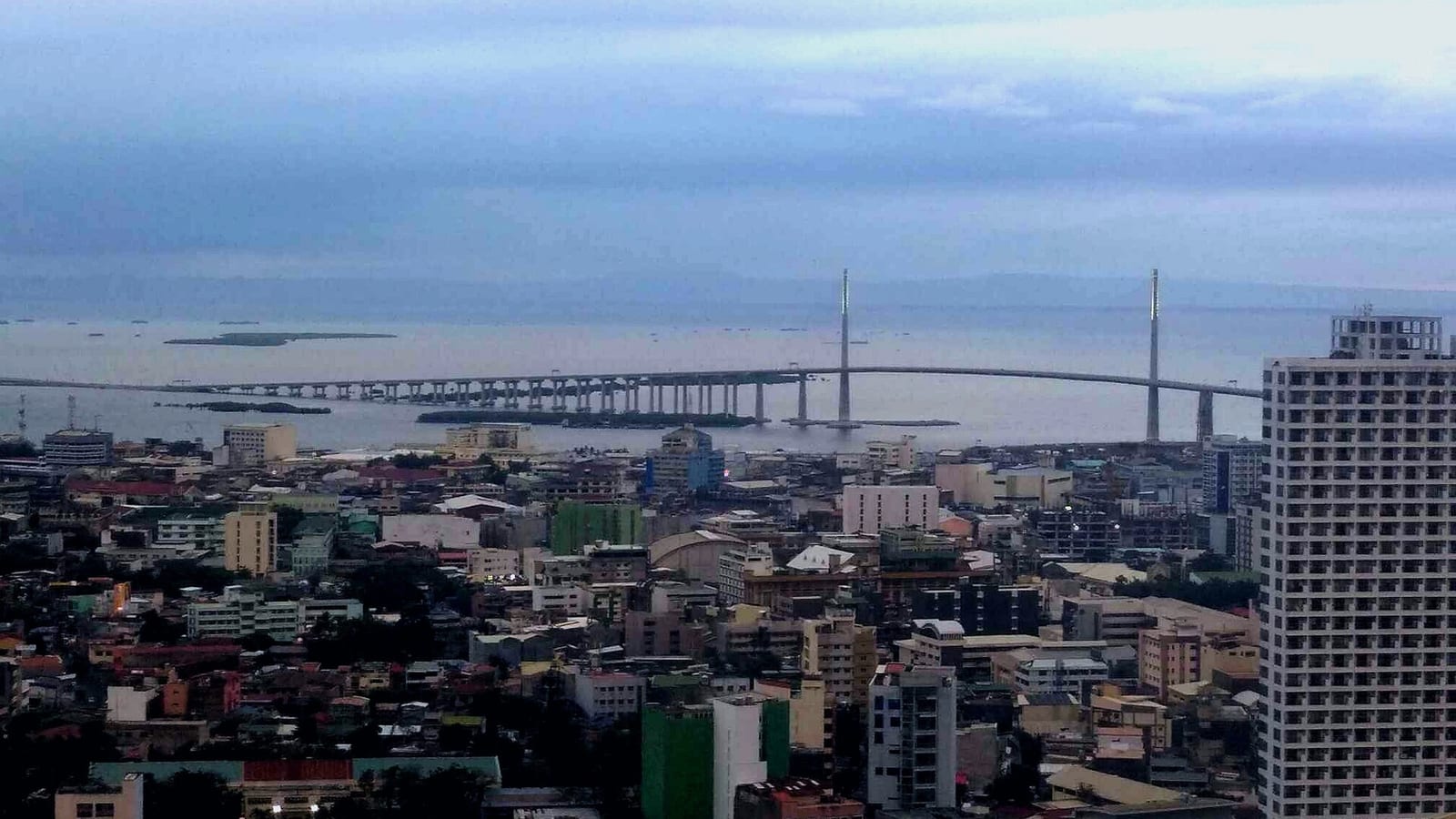
Every few years, the Philippine government launches an ambitious infrastructure program with a catchy name and a long list of flagship projects. Some get built. Some do not. But the current cycle of construction is different, there is actual concrete being poured, and it is starting to change where people live, work, and invest in property.
The North-South Commuter Railway
This is the big one. When fully completed, the NSCR will run from Clark in the north to Calamba in the south, passing through Metro Manila. It will be the first true mass rail system connecting the capital region to its neighboring provinces, and it will do for the property market what expressways did in the 2000s.
Think about it: if you can get from Bulacan to Makati in 45 minutes by train instead of three hours by car, the value proposition of living in Bulacan changes completely. Land prices along the NSCR corridor have already started moving. In Malolos, where one of the key stations will be located, lot prices have roughly doubled in the past three years.
The smart money moved early. If you are looking at NSCR-adjacent properties now, you are not early, you are on time. Prices have appreciated but are still well below what they will be once the trains are actually running.
Cebu's third bridge and BRT
The Cebu-Cordova Link Expressway, connecting Cebu City to Mactan via Cordova, has already had a measurable impact on property values in its vicinity. Properties in Cordova, previously considered remote and inconvenient, have seen significant appreciation since the bridge opened.
The proposed BRT system for Cebu, if it actually gets built, would have a similar effect along its route. Mass transit increases the effective size of a city by making previously distant areas accessible. Every time that happens, property values adjust.
Clark International Airport and New Clark City
The new terminal at Clark International Airport was supposed to be a game-changer for Central Luzon's property market. It has been that, but slowly. The terminal is operational, airlines are adding routes, and Clark is positioning itself as a viable alternative to NAIA for some travelers.
New Clark City is the more ambitious bet. Envisioned as a new government and business center in Tarlac, it is being built from scratch with modern urban planning. The project is moving forward, the national government administrative center is under construction, but it will take a decade or more to reach critical mass.
For property investors, Clark and Tarlac represent a long-horizon play. You are not going to see quick returns. But land prices are still low enough that the downside is limited, and if even half of the planned development materializes, the upside is substantial.
Davao-Samal bridge
The proposed bridge connecting Davao City to the Island Garden City of Samal has been talked about for years. When it happens, and it appears to be moving forward this time, it will transform Samal Island from a weekend getaway to a legitimate extension of the Davao metro area.
Samal has beautiful beaches, relatively undeveloped land, and prices that are a fraction of equivalent waterfront property elsewhere in the Philippines. A bridge would unlock all of that value. If you are a risk-tolerant investor with a long time horizon, buying land on Samal before the bridge is built is one of the more interesting speculative plays in Philippine real estate right now.
Metro Manila expressways and bypasses
The NLEX-SLEX connector, Skyway Stage 3, C5 Southlink, these completed or near-completed projects have already reshaped traffic patterns in Metro Manila. Areas that were previously cut off by traffic bottlenecks have become more accessible, and property values have responded.
The pattern is consistent and well-documented: when a new expressway or bypass opens, properties within 1 to 3 kilometers of the access points appreciate 15 to 30 percent within two to three years. After that, the effect stabilizes. If you time your purchase right, after the project is confirmed but before it opens, you can capture most of that appreciation.
How to think about infrastructure and property
Not every announced project will get built. Not every completed project will move property values. Here is a framework for evaluating infrastructure-driven opportunities.
Is the project actually funded and under construction? Announcements and feasibility studies mean very little. Look for projects with signed contracts, allocated budgets, and visible construction activity.
Does the project solve a real transportation problem? A bridge that cuts a two-hour commute to 15 minutes will have a bigger impact than a highway extension that saves five minutes. Look for projects that fundamentally change the accessibility of an area.
What is the current price level? If prices have already jumped on speculation, you may be buying the news rather than the opportunity. The best time to buy is when the project is confirmed but not yet hyped, usually during the early construction phase.
Is there other development following the infrastructure? A road alone does not create value. You need commercial activity, employment, services. Look for areas where developers are launching projects, malls are being planned, and schools are being built. That is the signal that the area has a real future, not just a new road.
Frequently asked questions
How much do new infrastructure projects raise property values in the Philippines?
The documented pattern for expressways and bypasses is that properties within 1 to 3 kilometers of the access points appreciate 15 to 30 percent within two to three years of opening, then the effect stabilizes. Rail can be even more dramatic, as lot prices in Malolos along the North-South Commuter Railway corridor have roughly doubled in three years. The best window to buy is after a project is confirmed but before it opens.
What is the North-South Commuter Railway and why does it matter for property?
The NSCR will run from Clark in the north to Calamba in the south through Metro Manila, the first true mass rail system connecting the capital to neighboring provinces. If a Bulacan to Makati trip drops from three hours by car to 45 minutes by train, the value of living in Bulacan changes completely. Prices along the corridor have already moved, but they remain well below where they will be once trains are running.
How do I evaluate whether an infrastructure project will actually boost property values?
Check four things: the project is funded and visibly under construction rather than just announced, it solves a real transportation problem by dramatically cutting travel time, current prices have not already jumped on speculation, and other development like malls, schools, and new projects is following the road. A road alone does not create value without commercial activity and employment behind it.
Is buying land on Samal Island a good bet?
It is one of the more interesting speculative plays in Philippine real estate for risk-tolerant investors with a long horizon. The proposed Davao-Samal bridge would turn the island from a weekend getaway into an extension of the Davao metro area, and Samal has beaches and undeveloped land at a fraction of equivalent waterfront prices elsewhere. The catch is that the bridge has been delayed repeatedly, so timing is the risk.
Kada ilang taon, naglulunsad ang gobyerno ng Pilipinas ng ambisyosong infrastructure program na may catchy na pangalan at mahabang listahan ng mga flagship project. May mga naitatayo. May mga hindi. Pero iba ang kasalukuyang cycle ng construction, may aktwal nang semento na binubuhos, at nagsisimula na itong baguhin kung saan nakatira, nagtatrabaho, at nag-iinvest sa property ang mga tao.
Ang North-South Commuter Railway
Ito ang pinakamalaki. Kapag ganap nang natapos, tatakbo ang NSCR mula Clark sa hilaga hanggang Calamba sa timog, at dadaan sa Metro Manila. Ito ang magiging unang tunay na mass rail system na mag-uugnay sa capital region sa mga karatig na probinsya nito, at gagawin nito sa property market ang ginawa ng mga expressway noong 2000s.
Isipin mo: kung makakarating ka mula Bulacan hanggang Makati sa loob ng 45 minuto sakay ng tren imbes na tatlong oras sa kotse, ganap na nagbabago ang value proposition ng paninirahan sa Bulacan. Nagsimula nang gumalaw ang presyo ng lupa sa NSCR corridor. Sa Malolos, kung saan matatagpuan ang isa sa mga pangunahing estasyon, halos dumoble na ang presyo ng lote sa nakalipas na tatlong taon.
Maaga nang gumalaw ang smart money. Kung tumitingin ka ngayon ng mga property malapit sa NSCR, hindi ka na maaga, pero nasa tamang oras ka. Tumaas na ang presyo pero malayo pa rin ito sa magiging presyo kapag tumatakbo na talaga ang mga tren.
Ang ikatlong tulay ng Cebu at ang BRT
Ang Cebu-Cordova Link Expressway, na nag-uugnay sa Cebu City sa Mactan sa pamamagitan ng Cordova, ay may nasusukat nang epekto sa halaga ng property sa paligid nito. Ang mga property sa Cordova, na dating itinuturing na liblib at hindi convenient, ay tumaas nang malaki ang halaga mula nang buksan ang tulay.
Ang proposed na BRT system para sa Cebu, kung talagang maitatayo, ay magkakaroon ng katulad na epekto sa buong ruta nito. Pinapalaki ng mass transit ang epektibong sukat ng isang lungsod sa pamamagitan ng pagpapa-accessible sa mga dating malalayong lugar. Kada nangyayari iyon, nag-a-adjust ang halaga ng property.
Clark International Airport at New Clark City
Ang bagong terminal sa Clark International Airport ay inaasahang magiging game-changer para sa property market ng Central Luzon. Naging ganoon nga ito, pero dahan-dahan. Operational na ang terminal, nagdadagdag ng ruta ang mga airline, at ipinopwesto ng Clark ang sarili bilang viable na alternatibo sa NAIA para sa ilang manlalakbay.
Ang New Clark City ang mas ambisyosong taya. Inilarawan bilang bagong sentro ng gobyerno at negosyo sa Tarlac, itinatayo ito mula sa wala gamit ang modernong urban planning. Umuusad ang proyekto, itinatayo na ang national government administrative center, pero aabutin ng isang dekada o higit pa bago ito makaabot sa critical mass.
Para sa mga property investor, ang Clark at Tarlac ay long-horizon na laro. Hindi ka makakakita ng mabilis na balik. Pero mababa pa rin ang presyo ng lupa kaya limitado ang downside, at kung kalahati man lang ng planadong development ang matuloy, malaki ang upside.
Tulay ng Davao-Samal
Ang proposed na tulay na mag-uugnay sa Davao City sa Island Garden City of Samal ay ilang taon nang pinag-uusapan. Kapag natuloy ito, at mukhang umuusad na talaga ito ngayon, gagawin nitong lehitimong extension ng Davao metro area ang Samal Island mula sa pagiging weekend getaway lang.
Maganda ang mga beach ng Samal, medyo undeveloped pa ang lupa, at ang presyo ay maliit na bahagi lang ng katumbas na waterfront property sa ibang lugar sa Pilipinas. Bubuksan ng tulay ang lahat ng value na iyon. Kung risk-tolerant kang investor na may mahabang time horizon, ang pagbili ng lupa sa Samal bago maitayo ang tulay ay isa sa mga mas kawili-wiling speculative na laro sa Philippine real estate ngayon.
Mga expressway at bypass ng Metro Manila
Ang NLEX-SLEX connector, Skyway Stage 3, C5 Southlink, ang mga natapos o malapit nang matapos na proyektong ito ay nabago na ang mga traffic pattern sa Metro Manila. Ang mga lugar na dating naiipit ng traffic bottleneck ay naging mas accessible, at tumugon ang halaga ng mga property.
Pare-pareho at dokumentado ang pattern: kapag nagbukas ang bagong expressway o bypass, ang mga property sa loob ng 1 to 3 kilometro mula sa mga access point ay tumataas nang 15 to 30 percent sa loob ng dalawa hanggang tatlong taon. Pagkatapos noon, nagse-stabilize ang epekto. Kung tama ang timing ng pagbili mo, pagkatapos makumpirma ang proyekto pero bago ito magbukas, makukuha mo ang malaking bahagi ng pagtaas na iyon.
Paano mag-isip tungkol sa infrastructure at property
Hindi lahat ng inanunsyong proyekto ay maitatayo. Hindi lahat ng natapos na proyekto ay magpapagalaw ng halaga ng property. Narito ang framework para sa pag-evaluate ng mga oportunidad na dala ng infrastructure.
May pondo na ba talaga ang proyekto at itinatayo na ba? Halos walang kabuluhan ang mga anunsyo at feasibility study. Hanapin ang mga proyektong may pirmadong kontrata, nakalaang budget, at kitang-kitang construction activity.
Nilulutas ba ng proyekto ang tunay na problema sa transportasyon? Ang tulay na nagpapaikli ng dalawang oras na biyahe sa 15 minuto ay mas malaki ang epekto kaysa sa extension ng highway na nakakatipid ng limang minuto. Hanapin ang mga proyektong tunay na nagbabago sa accessibility ng isang lugar.
Ano ang kasalukuyang antas ng presyo? Kung tumalon na ang presyo dahil sa espekulasyon, baka binibili mo na ang balita imbes na ang oportunidad. Ang pinakamagandang oras para bumili ay kapag kumpirmado na ang proyekto pero hindi pa hyped, kadalasan sa maagang bahagi ng construction.
May iba pa bang development na sumusunod sa infrastructure? Hindi lumilikha ng value ang kalsada lang. Kailangan mo ng commercial activity, trabaho, serbisyo. Hanapin ang mga lugar kung saan naglulunsad ng mga proyekto ang mga developer, may pinaplanong mga mall, at may itinatayong mga eskwelahan. Iyon ang senyales na may tunay na kinabukasan ang lugar, hindi lang bagong kalsada.
Mga madalas itanong
Gaano kalaki ang itinataas ng mga bagong infrastructure project sa property values sa Pilipinas?
Ang documented na pattern para sa mga expressway at bypass ay ito: ang mga property na nasa loob ng 1 to 3 kilometers mula sa access points ay tumataas ng 15 to 30 percent sa loob ng two to three years mula sa pagbukas, tapos nagse-stabilize na ang effect. Ang rail ay pwedeng mas dramatic pa, kasi ang mga presyo ng lote sa Malolos sa corridor ng North-South Commuter Railway ay halos nag-double na sa loob ng three years. Ang best window para bumili ay pagkatapos ma-confirm ang project pero bago ito magbukas.
Ano ang North-South Commuter Railway at bakit mahalaga ito para sa property?
Ang NSCR ay tatakbo mula Clark sa hilaga hanggang Calamba sa timog, dadaan sa Metro Manila, ang unang tunay na mass rail system na magkokonekta sa capital sa mga karatig na probinsya. Kung ang biyaheng Bulacan papuntang Makati ay mula three hours by car ay magiging 45 minutes na lang by train, magbabago nang tuluyan ang value ng pagtira sa Bulacan. Gumalaw na ang mga presyo sa corridor, pero malayo pa ito sa aabutin nila kapag tumatakbo na ang mga tren.
Paano ko malalaman kung talagang magpapataas ng property values ang isang infrastructure project?
Apat ang i-check mo: funded ang project at kitang-kita na under construction, hindi lang inanunsyo; may sinosolba itong totoong transportation problem sa pamamagitan ng malaking pagbawas sa travel time; hindi pa tumalon ang current prices dahil sa speculation; at may ibang development na sumusunod sa kalsada tulad ng malls, schools, at mga bagong project. Ang kalsada lang mag-isa ay hindi lumilikha ng value kung walang commercial activity at trabaho sa likod nito.
Magandang taya ba ang pagbili ng lupa sa Samal Island?
Isa ito sa mas interesting na speculative play sa Philippine real estate para sa mga risk-tolerant investor na mahaba ang horizon. Ang proposed Davao-Samal bridge ay gagawing extension ng Davao metro area ang isla mula sa weekend getaway lang, at ang Samal ay may beaches at undeveloped na lupa sa fraction lang ng presyo ng katumbas na waterfront sa ibang lugar. Ang catch, paulit-ulit nang na-delay ang tulay, kaya timing ang risk.
Matag pila ka tuig, ang gobyerno sa Pilipinas maglunsad og ambisyoso nga infrastructure program nga naay catchy nga ngalan ug taas nga listahan sa mga flagship project. Naay matukod. Naay dili. Pero lahi ang kasamtangang cycle sa construction, naay aktwal nga semento nga ginabubo, ug nagsugod na kini og usab kung asa magpuyo, magtrabaho, ug mag-invest sa property ang mga tawo.
Ang North-South Commuter Railway
Mao ni ang pinakadako. Kung mahuman na sa hingpit, ang NSCR modagan gikan sa Clark sa amihanan hangtod sa Calamba sa habagatan, ug moagi sa Metro Manila. Mao kini ang unang tinuod nga mass rail system nga magdugtong sa capital region ngadto sa mga silingang probinsya niini, ug buhaton niini sa property market ang gibuhat sa mga expressway niadtong 2000s.
Hunahunaa: kung makaabot ka gikan sa Bulacan padulong sa Makati sulod sa 45 minutos sakay sa tren imbes nga tulo ka oras sa sakyanan, mausab sa hingpit ang value proposition sa pagpuyo sa Bulacan. Nagsugod na og lihok ang presyo sa yuta ubay sa NSCR corridor. Sa Malolos, kung asa mahimutang ang usa sa mga importanteng estasyon, hapit na nidoble ang presyo sa lote sa milabay nga tulo ka tuig.
Sayo nga milihok ang smart money. Kung nagtan-aw ka karon og mga property duol sa NSCR, dili na ka sayo, pero anaa ka sa saktong oras. Nisaka na ang presyo pero ubos pa gihapon kaayo kini sa mahimong presyo kung modagan na gyud ang mga tren.
Ang ikatulong taytayan sa Cebu ug ang BRT
Ang Cebu-Cordova Link Expressway, nga nagdugtong sa Cebu City ngadto sa Mactan agi sa Cordova, aduna nay masukod nga epekto sa bili sa property sa palibot niini. Ang mga property sa Cordova, nga kaniadto giisip nga hilit ug hasol adtoon, nakakita og dako nga pagsaka sa bili sukad naablihan ang taytayan.
Ang gisugyot nga BRT system para sa Cebu, kung matukod gyud, adunay susama nga epekto ubay sa tibuok agianan niini. Ang mass transit magpadako sa epektibong gidak-on sa usa ka siyudad pinaagi sa paghimo nga ma-abot ang mga dapit nga kaniadto layo. Matag mahitabo kana, mo-adjust ang bili sa property.
Clark International Airport ug New Clark City
Ang bag-ong terminal sa Clark International Airport gilauman unta nga mahimong game-changer para sa property market sa Central Luzon. Nahimo man kini, pero hinay-hinay. Operational na ang terminal, ang mga airline nagdugang og mga ruta, ug ang Clark nagpwesto sa kaugalingon isip viable nga alternatibo sa NAIA para sa pipila ka biyahedor.
Ang New Clark City mao ang mas ambisyoso nga pusta. Gilaraw isip bag-ong sentro sa gobyerno ug negosyo sa Tarlac, ginatukod kini gikan sa wala gamit ang modernong urban planning. Nag-uswag ang proyekto, ginatukod na ang national government administrative center, pero mokabat og usa ka dekada o labaw pa una kini makaabot sa critical mass.
Para sa mga property investor, ang Clark ug Tarlac usa ka long-horizon nga dula. Dili ka makakita og paspas nga balik. Pero ubos pa gihapon ang presyo sa yuta mao nga limitado ang downside, ug kung bisan katunga lang sa giplano nga development ang matuman, dako ang upside.
Taytayan sa Davao-Samal
Ang gisugyot nga taytayan nga magdugtong sa Davao City ngadto sa Island Garden City of Samal dugay nang gihisgotan. Kung mahitabo na kini, ug morag nag-uswag na gyud kini karon, usbon niini ang Samal Island gikan sa usa ka weekend getaway ngadto sa lehitimong extension sa Davao metro area.
Ang Samal naay nindot nga mga beach, medyo wala pa madevelop nga yuta, ug mga presyo nga gamay ra nga bahin sa katugbang nga waterfront property sa ubang dapit sa Pilipinas. Ang taytayan mag-abli sa tanan niana nga value. Kung risk-tolerant ka nga investor nga naay taas nga time horizon, ang pagpalit og yuta sa Samal una pa matukod ang taytayan usa sa mas makapaikag nga speculative nga dula sa Philippine real estate karon.
Mga expressway ug bypass sa Metro Manila
Ang NLEX-SLEX connector, Skyway Stage 3, C5 Southlink, kining mga nahuman o hapit na mahuman nga proyekto nag-usab na sa mga traffic pattern sa Metro Manila. Ang mga dapit nga kaniadto naipit sa traffic bottleneck nahimong mas accessible, ug mitubag ang bili sa mga property.
Kanunay ug dokumentado ang pattern: kung moabli ang bag-ong expressway o bypass, ang mga property sulod sa 1 to 3 kilometros gikan sa mga access point mosaka og 15 to 30 percent sulod sa duha ngadto sa tulo ka tuig. Human niana, mo-stabilize ang epekto. Kung sakto ang timing sa imong pagpalit, human makumpirma ang proyekto pero una pa kini moabli, makuha nimo ang kadaghanan sa maong pagsaka.
Unsaon paghunahuna bahin sa infrastructure ug property
Dili tanang gianunsyo nga proyekto matukod. Dili tanang nahuman nga proyekto makapalihok sa bili sa property. Ania ang framework para sa pag-evaluate sa mga oportunidad nga dala sa infrastructure.
Naa na bay pondo gyud ang proyekto ug ginatukod na ba? Ang mga anunsyo ug feasibility study halos walay bili. Pangitaa ang mga proyekto nga naay pirmado nga kontrata, gigahin nga budget, ug makita nga construction activity.
Ang proyekto ba nagsulbad og tinuod nga problema sa transportasyon? Ang taytayan nga magpamubo sa duha ka oras nga biyahe ngadto sa 15 minutos mas dako og epekto kaysa extension sa highway nga makadaginot og lima ka minutos. Pangitaa ang mga proyekto nga tinuod nga mag-usab sa accessibility sa usa ka dapit.
Unsa ang kasamtangang lebel sa presyo? Kung ang presyo nisaka na tungod sa espekulasyon, basin ginapalit na nimo ang balita imbes nga ang oportunidad. Ang pinakamaayong panahon sa pagpalit kay kung kumpirmado na ang proyekto pero wala pa ma-hype, kasagaran sa sayong bahin sa construction.
Naa bay laing development nga nagsunod sa infrastructure? Ang dalan ra dili makahimo og value. Kinahanglan nimo ang commercial activity, trabaho, serbisyo. Pangitaa ang mga dapit kung asa ang mga developer naglunsad og mga proyekto, naay ginaplano nga mga mall, ug naay ginatukod nga mga eskwelahan. Mao kana ang timailhan nga ang dapit naay tinuod nga kaugmaon, dili lang bag-ong dalan.
Mga kasagarang pangutana
Unsa ka dako ang pagpataas sa mga bag-ong infrastructure project sa property values sa Pilipinas?
Ang documented nga pattern para sa mga expressway ug bypass mao kini: ang mga property nga anaa sulod sa 1 to 3 kilometers gikan sa access points mosaka og 15 to 30 percent sulod sa two to three years human sa pag-abli, dayon mag-stabilize na ang effect. Ang rail pwede pang mas dramatic, kay ang mga presyo sa lote sa Malolos sa corridor sa North-South Commuter Railway halos nag-double na sulod sa three years. Ang best window para mopalit mao human ma-confirm ang project apan una pa kini mag-abli.
Unsa ang North-South Commuter Railway ug ngano importante kini para sa property?
Ang NSCR modagan gikan sa Clark sa amihanan hangtod sa Calamba sa habagatan, moagi sa Metro Manila, ang una nga tinuod nga mass rail system nga magkonekta sa capital ngadto sa mga silingang probinsya. Kung ang biyahe gikan sa Bulacan padulong sa Makati gikan sa three hours by car mahimo nang 45 minutes by train, mausab og hingpit ang value sa pagpuyo sa Bulacan. Milihok na ang mga presyo sa corridor, apan layo pa kini sa maabot nila kung modagan na ang mga tren.
Unsaon nako pag-evaluate kung tinuod ba nga magpataas og property values ang usa ka infrastructure project?
Upat ang i-check: funded ang project ug makita gyud nga under construction, dili lang gi-announce; naay gisulbad kini nga tinuod nga transportation problem pinaagi sa dakong pagpamubo sa travel time; wala pa milukso ang current prices tungod sa speculation; ug naay laing development nga nagsunod sa dalan sama sa malls, schools, ug mga bag-ong project. Ang dalan lang mag-inusara dili maghimo og value kung walay commercial activity ug trabaho luyo niini.
Maayo ba nga pusta ang pagpalit og yuta sa Samal Island?
Usa kini sa mas interesting nga speculative play sa Philippine real estate para sa mga risk-tolerant nga investor nga layo ang horizon. Ang proposed Davao-Samal bridge maghimo sa isla nga extension sa Davao metro area gikan sa weekend getaway lang, ug ang Samal naay beaches ug undeveloped nga yuta sa fraction lang sa presyo sa susama nga waterfront sa laing lugar. Ang catch, balik-balik nang na-delay ang taytayan, maong timing ang risk.
Browse properties on BalayHub
See all listings →
Read next
High-Rise vs Mid-Rise Condo in the Philippines: Which to Buy
High rise vs mid rise condo in the Philippines: the 15 meter Fire Code line, why dues climb with height, quake and flood behavior, and who each suits.
House Construction Cost per Square Meter Philippines 2026
House construction cost per square meter in the Philippines 2026: ₱28,000 basic to ₱75,000 high end, what the rate excludes, and a full 100 sqm budget.
Lapu-Lapu Condos and Houses: Buy or Rent in Mactan (2026)
Lapu-Lapu condos for rent at a ₱30,000 median, houses from ₱1.9M and resort units to ₱8.5M: Mactan Newtown, Punta Engaño, Maribago and Basak compared.