
May 2, 2026 · by BalayHub Admin · 4 min read
Cebu vs Davao Real Estate 2026: Prices, Yields, Verdict
Cebu vs Davao for property buyers in 2026: one bedroom condos at ₱4M to ₱6M near IT Park against ₱2.5M to ₱4M near Abreeza, rental demand, yields, risks and a verdict.
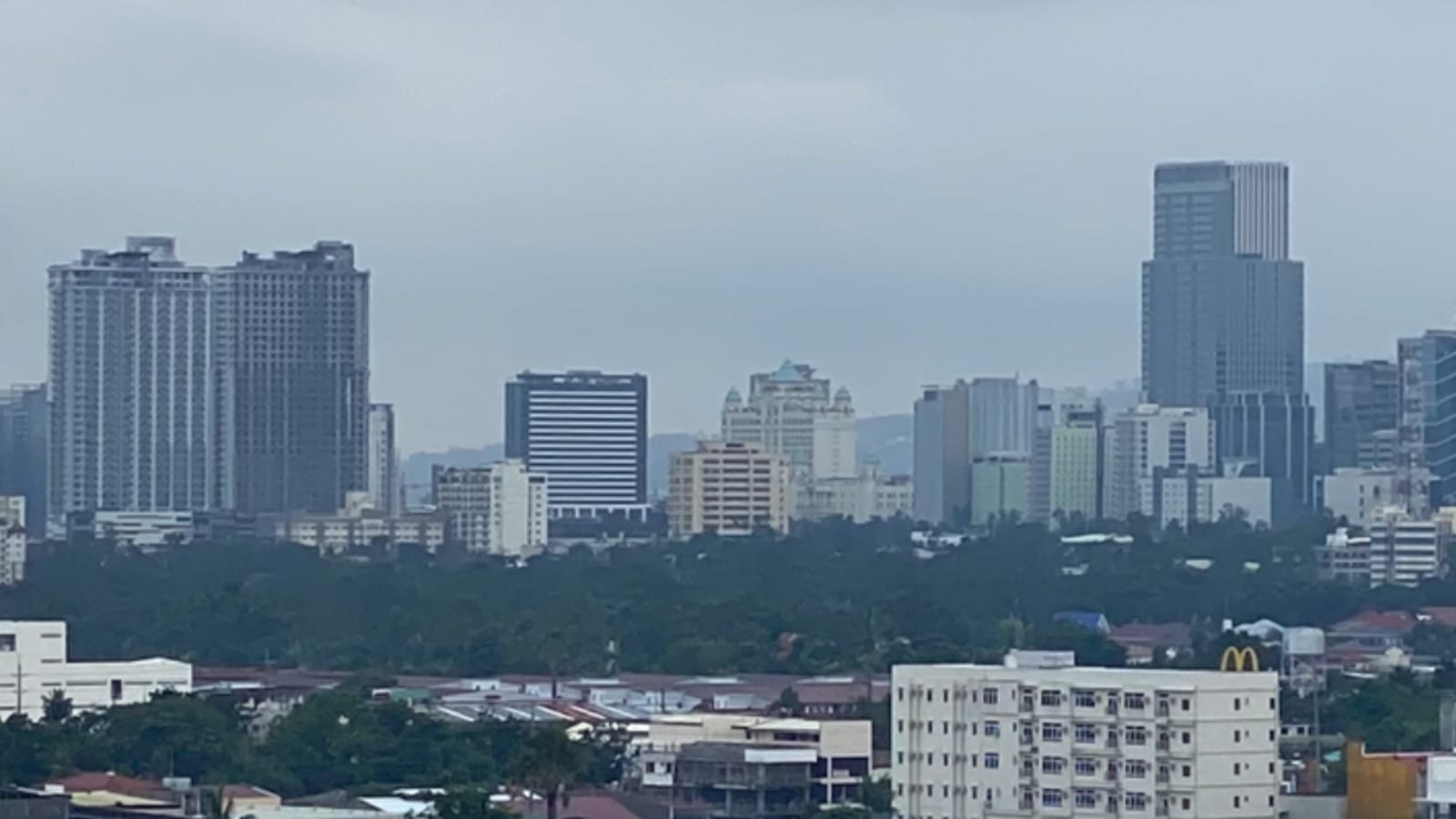
If you are looking outside Metro Manila for your next property investment, Cebu and Davao are probably on your shortlist. They are the second and third largest cities in the Philippines by economic output, and both have been growing steadily for years. But they are different in ways that matter for property buyers, and the right choice depends on what you are looking for.
The economic picture
Cebu has a more diversified economy. It has manufacturing (furniture, electronics), a large tourism sector, a growing tech and BPO industry, and a busy port. The IT Park and Cebu Business Park are the commercial hearts of the city, and they feel genuinely urban, office towers, restaurants, nightlife, the works.
Davao's economy leans more on agriculture and trade, though the BPO sector has been expanding. The city is the gateway to Mindanao's agricultural wealth, bananas, pineapples, cacao, coconut. It does not have the same concentration of multinational companies as Cebu, but it has a loyal local business community and a reputation for clean governance that attracts domestic investment.
Property prices
Cebu is more expensive than Davao, full stop. A one-bedroom condo near IT Park will cost you 4 to 6 million pesos (about $64,000 to $96,000 / €55,100 to €82,600). The equivalent in Davao, near Abreeza or the Davao Chinatown area, runs 2.5 to 4 million. House-and-lot prices follow the same pattern: Cebu's subdivisions in Talamban, Talisay, and Mandaue price at a premium compared to similar developments in Davao's Buhangin, Catalunan, or Ma-a.
The price difference exists for a reason. Cebu has more economic activity, more foreign investment, and higher demand. But for value-oriented investors, Davao's lower prices mean higher potential yields and more room for appreciation.
Rental market
Cebu wins on rental demand because of the sheer volume of BPO workers and the tourism spillover. A furnished studio near the IT Park rents for 15,000 to 22,000 per month, and occupancy is high. Short-term rentals for tourists add another revenue stream, especially for units near Mactan or the waterfront.
Davao's rental market is smaller but more stable. There is less speculative building, which means less oversupply. Rental yields as a percentage of purchase price are actually comparable to Cebu, sometimes higher, because the lower purchase price offsets the lower absolute rent.
Lifestyle and livability
This is where personal preference comes in. Cebu is noisier, busier, more chaotic. Traffic in the core areas is genuinely bad, not quite Manila bad, but getting there. The food and nightlife scenes are vibrant. You are close to world-class beaches in Mactan and the south.
Davao is calmer. Famously calmer. The city is clean, safe, and well-ordered by Philippine standards. There is less nightlife and fewer dining options, but the pace of life is more relaxed. Mount Apo is nearby for outdoor types. The durian is incredible if you are into that sort of thing.
For families, both cities have good schools and hospitals. Cebu has a slight edge in international school options. Davao has lower crime rates and less congestion.
Infrastructure and connectivity
Cebu's Mactan-Cebu International Airport is one of the busiest in the country, with direct flights to Seoul, Tokyo, Hong Kong, Singapore, and several other international destinations. The third bridge connecting Mactan to the mainland opened recently, easing traffic on the older crossings. A BRT system is in the planning stages.
Davao's airport handles fewer international routes, mostly connecting through Manila or Cebu for international travel. However, the Davao City Coastal Road and various bypass highways have improved intra-city mobility. The long-proposed Davao-Samal bridge would be transformative for property values on Samal Island, but it has been delayed repeatedly.
Risk factors
Cebu's main risk is oversupply. A lot of condo towers have gone up in the past five years, and absorption has not always kept pace. If you buy a condo for investment, pick your project carefully, developer reputation, location, and unit mix matter enormously.
Davao's risk is slower growth. The Mindanao narrative is still complicated by security concerns in other parts of the island, even though Davao City itself is very safe. Some Manila-based investors remain hesitant, which limits demand and liquidity. Selling a property in Davao can take longer than selling one in Cebu.
The verdict
There is no single right answer. If you want liquidity, rental demand, and a cosmopolitan lifestyle, Cebu is the better bet, and a good place to start is the range of Cebu City condos near IT Park and the business district.. And if you are still weighing Metro Manila as the safer, more liquid option, it is worth comparing these markets against condos in Pasig, where a deep tenant pool and central business districts keep demand steady. If you want value, a calmer environment, and the patience to hold for long-term appreciation, Davao offers more upside per peso invested.
Or just buy in both. Diversification works in real estate too.
For the buildings behind these numbers, see our shortlist of the best condos in Davao City and the Cebu area guide, which includes the Mactan side of the metro.
Dollar and euro figures are approximate conversions at ₱62.5 per US dollar and ₱72.6 per euro (ECB reference rates, 2026-09-08).
Frequently asked questions
Which is better for property investment, Cebu or Davao?
Cebu is the better bet if you want liquidity, deep rental demand, and a cosmopolitan lifestyle, driven by its BPO volume and tourism spillover. Davao offers more upside per peso invested if you want value, a calmer environment, and patience for long-term appreciation. Diversifying into both is also a valid strategy.
How much does a condo cost in Cebu versus Davao?
A one-bedroom condo near Cebu IT Park costs 4 to 6 million pesos (about $64,000 to $96,000 / €55,100 to €82,600), while the equivalent in Davao near Abreeza or the Chinatown area runs 2.5 to 4 million. House-and-lot prices follow the same pattern, with Cebu subdivisions in Talamban, Talisay, and Mandaue priced at a premium over Davao's Buhangin, Catalunan, or Ma-a.
Which city has the stronger rental market, Cebu or Davao?
Cebu wins on volume thanks to BPO workers and tourists, with furnished studios near IT Park renting for 15,000 to 22,000 pesos (about $240 to $352 / €207 to €303) monthly at high occupancy. Davao's market is smaller but more stable, with less speculative building and less oversupply. Yields as a percentage of purchase price are comparable, sometimes higher in Davao, because the lower purchase price offsets the lower rent.
What are the main risks of buying in Cebu or Davao?
Cebu's main risk is condo oversupply, since many towers went up in the past five years and absorption has not always kept pace, so developer reputation and location matter enormously. Davao's risk is slower growth and lower liquidity, as some Manila-based investors remain hesitant about Mindanao despite Davao City itself being very safe. Selling a Davao property can take longer than selling one in Cebu.
Kung tumitingin ka sa labas ng Metro Manila para sa susunod mong property investment, malamang nasa shortlist mo ang Cebu at Davao. Sila ang pangalawa at pangatlong pinakamalaking lungsod sa Pilipinas pagdating sa economic output, at parehong tuloy-tuloy ang paglago sa loob ng maraming taon. Pero magkaiba sila sa mga paraang mahalaga para sa mga property buyer, at ang tamang pipiliin ay depende sa hinahanap mo.
Ang economic picture
Mas diversified ang ekonomiya ng Cebu. Mayroon itong manufacturing (furniture, electronics), malaking tourism sector, lumalagong tech at BPO industry, at abalang port. Ang IT Park at Cebu Business Park ang commercial na puso ng lungsod, at ramdam mong tunay na urban ang mga ito, office towers, restaurants, nightlife, kumpleto na.
Ang ekonomiya ng Davao ay mas nakasandal sa agrikultura at kalakalan, kahit lumalawak na ang BPO sector. Ang lungsod ang gateway sa yamang pang-agrikultura ng Mindanao, saging, pinya, cacao, niyog. Wala itong kasindaming multinational companies gaya ng Cebu, pero may tapat itong lokal na business community at reputasyon ng malinis na pamamahala na humihila ng domestic investment.
Mga presyo ng property
Mas mahal ang Cebu kaysa Davao, tapos ang usapan. Ang one-bedroom condo malapit sa IT Park ay aabutin ka ng 4 to 6 million pesos (mga $64,000 hanggang $96,000 / €55,100 hanggang €82,600). Ang katumbas nito sa Davao, malapit sa Abreeza o sa Davao Chinatown area, ay nasa 2.5 to 4 million. Ganoon din ang pattern ng presyo ng house-and-lot: ang mga subdivision ng Cebu sa Talamban, Talisay, at Mandaue ay may premium na presyo kumpara sa katulad na developments sa Buhangin, Catalunan, o Ma-a ng Davao.
May dahilan ang pagkakaiba ng presyo. Mas maraming economic activity ang Cebu, mas maraming foreign investment, at mas mataas na demand. Pero para sa mga value-oriented na investor, ang mas mababang presyo ng Davao ay nangangahulugan ng mas mataas na potensyal na yield at mas maluwag na puwang para sa appreciation.
Rental market
Panalo ang Cebu sa rental demand dahil sa sobrang dami ng BPO workers at sa spillover ng turismo. Ang furnished studio malapit sa IT Park ay napapaupahan ng 15,000 to 22,000 kada buwan, at mataas ang occupancy. Ang short-term rentals para sa mga turista ay dagdag pang revenue stream, lalo na para sa mga unit malapit sa Mactan o sa waterfront.
Mas maliit pero mas stable ang rental market ng Davao. Mas kaunti ang speculative building, kaya mas kaunti ang oversupply. Ang rental yields bilang porsyento ng purchase price ay talagang maipapantay sa Cebu, minsan mas mataas pa nga, dahil natatapatan ng mas mababang purchase price ang mas mababang absolute na renta.
Lifestyle at livability
Dito pumapasok ang personal na preference. Mas maingay, mas abala, mas magulo ang Cebu. Talagang masama ang traffic sa core areas, hindi pa kasing-sama ng Manila, pero papunta na doon. Buhay na buhay ang food at nightlife scenes. Malapit ka sa world-class na beaches sa Mactan at sa timog.
Mas kalmado ang Davao. Sikat sa pagiging kalmado. Malinis, ligtas, at maayos ang lungsod ayon sa pamantayan ng Pilipinas. Mas kaunti ang nightlife at mas kaunti ang dining options, pero mas relaxed ang takbo ng buhay. Malapit ang Mount Apo para sa mga mahilig sa outdoor. Grabe ang durian kung type mo ang ganoon.
Para sa mga pamilya, parehong may magagandang school at hospital ang dalawang lungsod. May bahagyang lamang ang Cebu sa international school options. Mas mababa ang crime rates at mas kaunti ang congestion sa Davao.
Infrastructure at connectivity
Ang Mactan-Cebu International Airport ng Cebu ay isa sa pinakaabala sa bansa, na may direct flights papuntang Seoul, Tokyo, Hong Kong, Singapore, at ilan pang international destinations. Ang pangatlong tulay na nag-uugnay sa Mactan sa mainland ay kamakailan lang nagbukas, na nagpagaan sa traffic sa mga mas lumang tawiran. Ang BRT system ay nasa planning stages pa.
Mas kaunti ang international routes na hawak ng airport ng Davao, na kadalasang kumokonekta sa Manila o Cebu para sa international travel. Gayunman, ang Davao City Coastal Road at ang iba't ibang bypass highways ay nagpabuti sa galaw sa loob mismo ng lungsod. Ang matagal nang iminumungkahing Davao-Samal bridge ay magiging transformative para sa property values sa Samal Island, pero paulit-ulit itong naaantala.
Mga risk factor
Ang pangunahing risk ng Cebu ay oversupply. Maraming condo tower ang naitayo sa nakalipas na limang taon, at hindi laging nakakasabay ang absorption. Kung bibili ka ng condo para sa investment, piliin nang mabuti ang project mo; napakahalaga ng developer reputation, location, at unit mix.
Ang risk ng Davao ay mas mabagal na paglago. Ang naratibo ng Mindanao ay kumplikado pa rin dahil sa security concerns sa ibang bahagi ng isla, kahit na napakaligtas mismo ng Davao City. May mga Manila-based investor na nag-aalangan pa rin, na naglilimita sa demand at liquidity. Ang pagbebenta ng property sa Davao ay maaaring mas matagal kaysa sa pagbebenta sa Cebu.
Ang hatol
Walang iisang tamang sagot. Kung gusto mo ng liquidity, rental demand, at cosmopolitan na lifestyle, mas magandang taya ang Cebu, at magandang panimulaan ang hanay ng Cebu City condos malapit sa IT Park at sa business district. At kung tinitimbang mo pa rin ang Metro Manila bilang mas ligtas at mas liquid na opsyon, sulit ikumpara ang mga merkadong ito sa condos sa Pasig, kung saan pinapanatiling steady ng malalim na tenant pool at ng mga central business district ang demand. Kung gusto mo ng value, mas kalmadong kapaligiran, at may pasensya kang mag-hold para sa long-term appreciation, mas maraming upside kada pisong nai-invest ang inaalok ng Davao.
O bumili ka na lang sa pareho. Gumagana rin ang diversification sa real estate.
Para sa mga building sa likod ng mga numerong ito, tingnan ang aming shortlist ng pinakamagagandang condo sa Davao City at ang Cebu area guide, na kasama ang Mactan side ng metro.
Tinatayang conversion lang ang mga halaga sa dollar at euro, sa ₱62.5 kada US dollar at ₱72.6 kada euro (ECB reference rates, 2026-09-08).
Mga madalas itanong
Alin ang mas maganda para sa property investment, Cebu o Davao?
Mas magandang taya ang Cebu kung gusto mo ng liquidity, malalim na rental demand, at cosmopolitan na lifestyle, dahil sa dami ng BPO at tourism spillover nito. Ang Davao naman ay may mas malaking upside kada pisong puhunan kung value ang hanap mo, mas kalmadong environment, at may pasensya ka para sa long-term appreciation. Valid na strategy din ang mag-diversify sa pareho.
Magkano ang condo sa Cebu kumpara sa Davao?
Ang one-bedroom condo malapit sa Cebu IT Park ay 4 hanggang 6 million pesos (mga $64,000 hanggang $96,000 / €55,100 hanggang €82,600), habang ang katumbas nito sa Davao malapit sa Abreeza o sa Chinatown area ay 2.5 hanggang 4 million. Ganoon din ang pattern sa house-and-lot, mas premium ang presyo ng mga subdivision sa Talamban, Talisay, at Mandaue sa Cebu kumpara sa Buhangin, Catalunan, o Ma-a sa Davao.
Aling city ang mas malakas ang rental market, Cebu o Davao?
Panalo ang Cebu sa volume dahil sa mga BPO workers at turista, kung saan ang furnished studios malapit sa IT Park ay napapaupahan ng 15,000 hanggang 22,000 pesos (mga $240 hanggang $352 / €207 hanggang €303) monthly na may mataas na occupancy. Mas maliit pero mas stable ang market ng Davao, mas kaunti ang speculative building at oversupply. Halos pareho ang yields bilang porsyento ng purchase price, minsan mas mataas pa nga sa Davao, dahil nababawi ng mas mababang purchase price ang mas mababang renta.
Ano ang mga pangunahing risk sa pagbili sa Cebu o Davao?
Ang pangunahing risk sa Cebu ay condo oversupply, dahil maraming towers ang itinayo sa nakaraang limang taon at hindi laging nakakahabol ang absorption, kaya sobrang mahalaga ang reputasyon ng developer at ang location. Ang risk sa Davao ay mas mabagal na growth at mas mababang liquidity, dahil may mga Manila-based investors pa ring nag-aalangan sa Mindanao kahit napaka-safe mismo ng Davao City. Puwedeng mas matagal maibenta ang property sa Davao kaysa sa Cebu.
Kung nagtan-aw ka sa gawas sa Metro Manila para sa imong sunod nga property investment, sigurado nga naa sa imong shortlist ang Cebu ug Davao. Sila ang ikaduha ug ikatulong pinakadako nga siyudad sa Pilipinas kung bahin sa economic output, ug parehong padayon nga nagtubo sulod sa daghang katuigan. Apan lahi sila sa mga paagi nga importante para sa mga property buyer, ug ang hustong pilion nagdepende sa imong gipangita.
Ang hulagway sa ekonomiya
Mas diversified ang ekonomiya sa Cebu. Aduna kini manufacturing (furniture, electronics), dako nga tourism sector, nagtubo nga tech ug BPO industry, ug puliki nga pantalan. Ang IT Park ug Cebu Business Park mao ang commercial nga kasingkasing sa siyudad, ug mobati gyud ka nga tinuod kining urban, office towers, mga restaurant, nightlife, kompleto.
Ang ekonomiya sa Davao mas nagsandig sa agrikultura ug patigayon, bisan pa nga nagkalapad na ang BPO sector. Ang siyudad mao ang ganghaan sa bahandi sa agrikultura sa Mindanao, saging, pinya, cacao, lubi. Wala kini sama ka daghang multinational companies sa Cebu, apan aduna kini maunongon nga lokal nga business community ug reputasyon sa limpyong pagdumala nga makadani og domestic investment.
Mga presyo sa property
Mas mahal ang Cebu kaysa Davao, klaro kaayo na. Ang one-bedroom condo duol sa IT Park mokantidad og 4 to 6 million pesos (mga $64,000 hangtod $96,000 / €55,100 hangtod €82,600). Ang katumbas niini sa Davao, duol sa Abreeza o sa Davao Chinatown area, anaa sa 2.5 to 4 million. Ang presyo sa house-and-lot mosunod sa samang sumbanan: ang mga subdivision sa Cebu sa Talamban, Talisay, ug Mandaue adunay premium nga presyo kumpara sa susamang developments sa Buhangin, Catalunan, o Ma-a sa Davao.
Adunay rason ang kalainan sa presyo. Mas daghan og economic activity ang Cebu, mas daghang foreign investment, ug mas taas nga demand. Apan para sa mga value-oriented nga investor, ang mas ubos nga presyo sa Davao nagpasabot og mas taas nga posibleng yield ug mas daghang luna para sa appreciation.
Rental market
Modaog ang Cebu sa rental demand tungod sa kadaghan gyud sa BPO workers ug sa spillover sa turismo. Ang furnished studio duol sa IT Park maabangan og 15,000 to 22,000 matag bulan, ug taas ang occupancy. Ang short-term rentals para sa mga turista dugang pa nga revenue stream, ilabi na sa mga unit duol sa Mactan o sa waterfront.
Ang rental market sa Davao mas gamay apan mas stable. Mas gamay ang speculative building, busa mas gamay ang oversupply. Ang rental yields isip porsyento sa purchase price ikatandi gyud sa Cebu, usahay mas taas pa, kay ang mas ubos nga purchase price maoy mobawi sa mas ubos nga abang.
Lifestyle ug kaayo sa pagpuyo
Dinhi mosulod ang personal nga gusto. Mas saba, mas puliki, mas gubot ang Cebu. Grabe gyud ang traffic sa core areas, dili pa sama ka grabe sa Manila, apan padulong na didto. Buhi kaayo ang food ug nightlife scenes. Duol ka sa world-class nga mga baybayon sa Mactan ug sa habagatan.
Mas kalma ang Davao. Ilado gyud nga kalma. Limpyo, luwas, ug hapsay ang siyudad sumala sa sukdanan sa Pilipinas. Mas gamay ang nightlife ug mas diyutay ang mga kan-anan, apan mas relaks ang dagan sa kinabuhi. Duol ang Mount Apo para sa mga hilig og outdoor. Lami kaayo ang durian kung ganahan ka anang klaseha.
Para sa mga pamilya, parehong adunay maayong mga eskwelahan ug ospital ang duha ka siyudad. Gamay og bentaha ang Cebu sa international school options. Mas ubos ang crime rates ug mas gamay ang kahuot sa Davao.
Infrastructure ug koneksyon
Ang Mactan-Cebu International Airport sa Cebu usa sa pinakapuliki sa nasod, adunay direct flights padulong sa Seoul, Tokyo, Hong Kong, Singapore, ug pipila pa ka international destinations. Ang ikatulong taytayan nga nagsumpay sa Mactan ngadto sa mainland bag-o pa lang naablihan, nga nakapagaan sa traffic sa mga karaang tabokanan. Ang BRT system anaa pa sa planning stages.
Ang airport sa Davao mas gamay og international routes, kasagaran moagi sa Manila o Cebu para sa international travel. Bisan pa niana, ang Davao City Coastal Road ug ang nagkalain-laing bypass highways nakapauswag sa lihok sulod mismo sa siyudad. Ang dugay nang gisugyot nga Davao-Samal bridge makausab pag-ayo sa property values sa Samal Island, apan balik-balik kining nalangan.
Mga risk factor
Ang panguna nga risgo sa Cebu mao ang oversupply. Daghang condo tower ang nanindog sa milabay nga lima ka tuig, ug ang absorption dili kanunay makaapas. Kung mopalit ka og condo para sa investment, pilia pag-ayo ang imong project; importante kaayo ang developer reputation, location, ug unit mix.
Ang risgo sa Davao mao ang mas hinay nga pagtubo. Ang istorya sa Mindanao komplikado gihapon tungod sa security concerns sa ubang bahin sa isla, bisan pa nga luwas kaayo mismo ang Davao City. Adunay mga Manila-based nga investor nga nagduhaduha gihapon, nga makalimit sa demand ug liquidity. Ang pagbaligya og property sa Davao mahimong mas dugay kaysa pagbaligya og usa sa Cebu.
Ang hukom
Walay usa ra ka hustong tubag. Kung gusto nimo og liquidity, rental demand, ug cosmopolitan nga lifestyle, mas maayong pusta ang Cebu, ug maayong sugdanan ang mga Cebu City condos duol sa IT Park ug sa business district. Ug kung gitimbang-timbang pa nimo ang Metro Manila isip mas luwas ug mas liquid nga opsyon, angay itandi kining mga merkadoha sa condos sa Pasig, diin ang lawom nga tenant pool ug ang mga central business district maoy magpabilin nga steady sa demand. Kung gusto nimo og value, mas kalma nga palibot, ug aduna kay pailob nga mohupot para sa long-term appreciation, mas daghang upside matag pisong gi-invest ang gitanyag sa Davao.
O palit na lang sa duha. Ang diversification mogana pud sa real estate.
Para sa mga building luyo niini nga mga numero, tan-awa ang among shortlist sa labing maayong condo sa Davao City ug ang Cebu area guide, nga naglakip sa Mactan side sa metro.
Banabana lang ang mga conversion sa dollar ug euro, sa ₱62.5 matag US dollar ug ₱72.6 matag euro (ECB reference rates, 2026-09-08).
Mga kasagarang pangutana
Asa ang mas maayo para sa property investment, Cebu o Davao?
Mas maayo nga pusta ang Cebu kung gusto nimo og liquidity, lawom nga rental demand, ug cosmopolitan nga lifestyle, tungod sa kadaghan sa BPO ug tourism spillover niini. Ang Davao naay mas dako nga upside matag piso nga puhunan kung value ang imong gipangita, mas kalma nga palibot, ug naa kay pasensya para sa long-term appreciation. Valid pud nga strategy ang pag-diversify sa duha.
Tagpila ang condo sa Cebu kumpara sa Davao?
Ang one-bedroom condo duol sa Cebu IT Park kay 4 hangtod 6 million pesos (mga $64,000 hangtod $96,000 / €55,100 hangtod €82,600), samtang ang parehas niini sa Davao duol sa Abreeza o sa Chinatown area kay 2.5 hangtod 4 million. Mao pud ang pattern sa house-and-lot, mas mahal ang mga subdivision sa Talamban, Talisay, ug Mandaue sa Cebu kumpara sa Buhangin, Catalunan, o Ma-a sa Davao.
Asa nga siyudad ang mas kusog og rental market, Cebu o Davao?
Daog ang Cebu sa volume tungod sa mga BPO workers ug turista, diin ang furnished studios duol sa IT Park mapaabangan og 15,000 hangtod 22,000 pesos (mga $240 hangtod $352 / €207 hangtod €303) monthly nga taas ang occupancy. Mas gamay pero mas stable ang market sa Davao, gamay ra ang speculative building ug oversupply. Halos parehas ang yields isip porsyento sa purchase price, usahay mas taas pa gani sa Davao, kay mabawi sa mas ubos nga purchase price ang mas ubos nga abang.
Unsa ang mga dagkong risk sa pagpalit sa Cebu o Davao?
Ang pinakadako nga risk sa Cebu kay condo oversupply, kay daghan kaayo og towers nga gitukod sa milabay nga lima ka tuig ug dili kanunay makaapas ang absorption, mao nga importante kaayo ang reputasyon sa developer ug ang location. Ang risk sa Davao kay mas hinay nga growth ug mas ubos nga liquidity, kay naa gihapoy mga Manila-based investors nga nagduha-duha sa Mindanao bisan pa nga luwas kaayo ang Davao City mismo. Posible nga mas dugay mabaligya ang property sa Davao kaysa sa Cebu.
Browse properties on BalayHub
See all listings →
Read next
2-Bedroom Condo in Mandaluyong: Prices and Buildings 2026
A 2-bedroom condo in Mandaluyong costs about ₱128,000 per sqm: ₱6.7M to ₱7.2M for a DMCI unit, ₱3.1M in Hulo, ₱13M in Ortigas. Buildings, rents and checks.
Best Condos in Taguig and BGC: The 2026 Shortlist
The Taguig towers worth shortlisting, district by district: the Ayala blue chips on High Street, Megaworld's Uptown and McKinley clusters, Federal Land's Grand Central Park, DMCI's half-price Acacia Estates and the Arca South early movers, with the developer behind each.
Condos Near C5: McKinley to Eastwood, the Corridor Guide (2026)
C5 links BGC, Ortigas and Eastwood without touching EDSA, and its condos price in three tiers: Taguig around ₱198,000 per sqm, Pasig around ₱167,000, Quezon City around ₱100,000. The corridor segment by segment, from McKinley West to Eastwood City, with the buildings to shortlist.